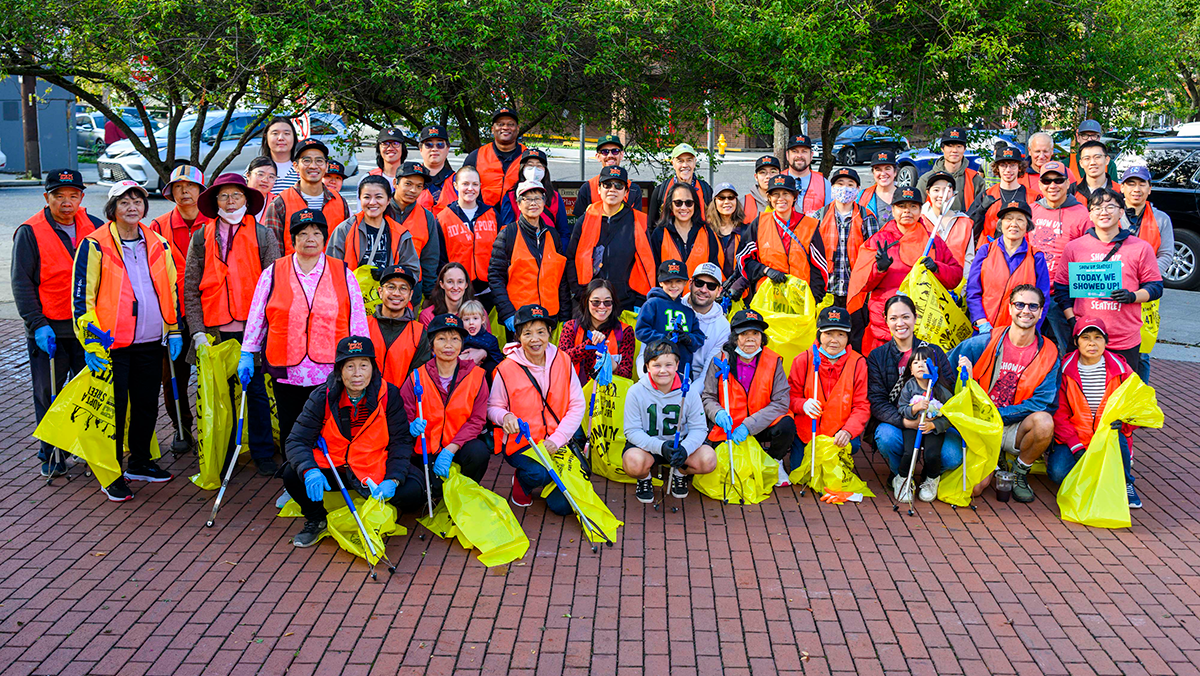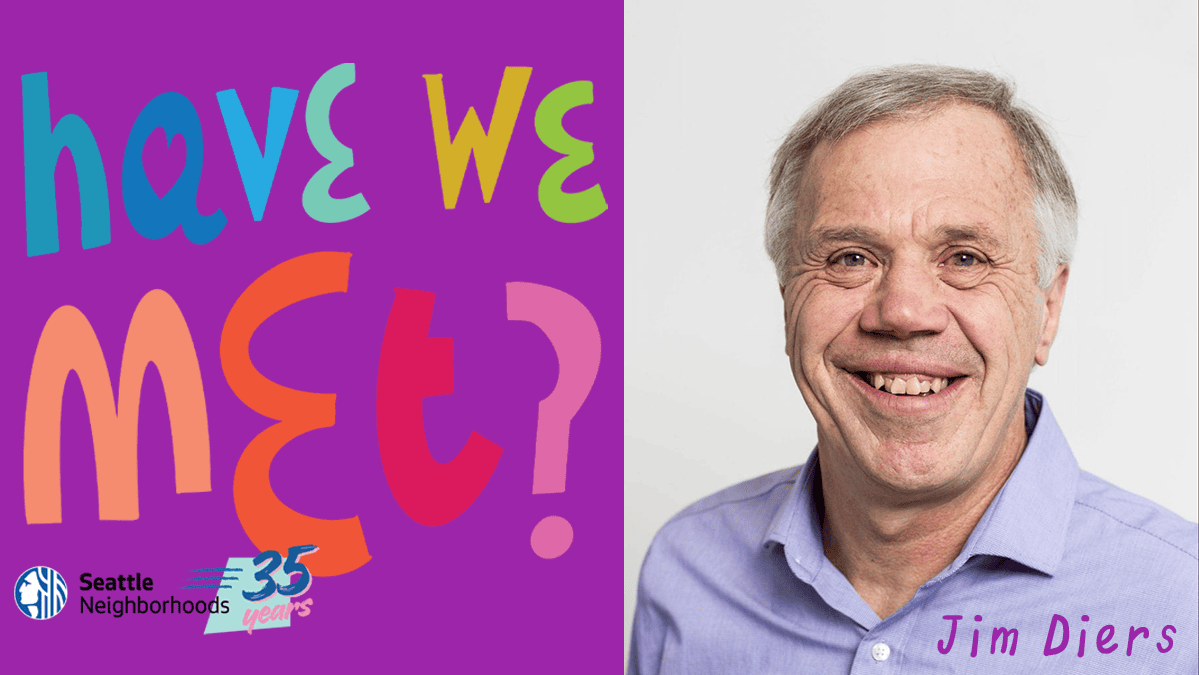
Have We Met? is a special storytelling series celebrating the 35th Anniversary of the Seattle Department of Neighborhoods. Throughout the next 365 days, we’re introducing the people who help shape Seattle’s neighborhoods every day; gardeners, volunteers, organizers, advocates, artists, leaders, City staff, and neighbors who care deeply about their communities. These short conversations offer a glimpse into the lives, passions, and places that embody our work and make Seattle feel like home.
We recently connected with Jim Diers, the first director of the Department of Neighborhoods (DON), to learn about his work building our department, the important role DON plays in building trusted relationships with the public, the value of community power, and how he has established similar programs and departments throughout the world.
What drew you to work at DON?
Becoming the first employee of the Office of Neighborhoods [now the Department of Neighborhoods] seemed like a natural extension of my previous work. Upon moving to Seattle in 1976, I volunteered for six years as a community organizer in Rainier Valley, Beacon Hill, and Georgetown. I witnessed people discover their power as they mobilized around issues impacting them and held city government, the school district, and absentee landlords accountable. I learned from them and was energized by them. The Office of Neighborhoods seemed like an opportunity to do community organizing on a citywide scale.
What makes DON different from other City departments?
The City of Seattle has more than 40 departments and offices, each organized around a specific function. The Department of Neighborhoods is the only department systematized the way residents have organized themselves – by neighborhood. This provides the entire City government with incredible potential.
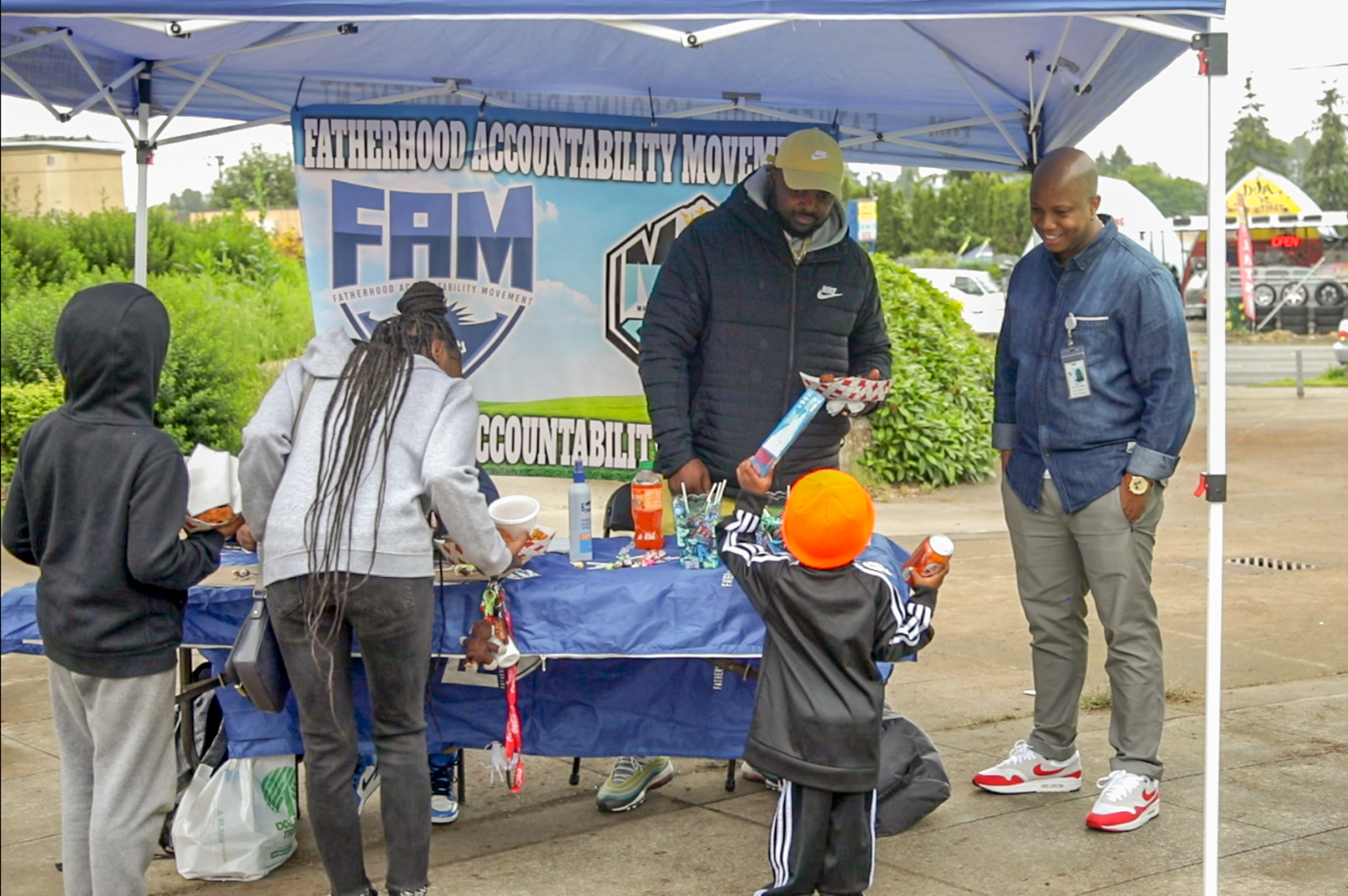
One of DON’s roles is to help 40 siloed departments work together as one City of Seattle with a focus on place. It’s in the neighborhoods that all of the functions come together on the ground. When communities plan for their neighborhoods, they aren’t restricted to land use planning. They plan for everything they care about including transportation, affordable housing, open space, human services, public safety, arts and culture, schools, and much more. The result is truly comprehensive plans with holistic solutions.
DON staff develop relationships with community groups and deliver those relationships to their fellow departments. This makes for trusted two-way communication. Outreach for most City departments is largely focused on conveying information through impersonal communication about specific projects, and they don’t have the capacity to build relationships. To the extent that they can develop relationships, those connections tend to be limited to their function. It’s frustrating for residents when they have to organize themselves the way the City is organized rather than vice versa. Having established community contacts for the City is much more friendly, efficient, and effective for residents.
Most importantly, a unique function of DON is to build inclusive communities. The staff encourage residents to share their gifts with one another to help meet each other’s needs. They also strive for broad participation with government. To make democracy work, it is essential to engage more than those with the loudest voices.
What’s a moment from your time at DON that stays with you?
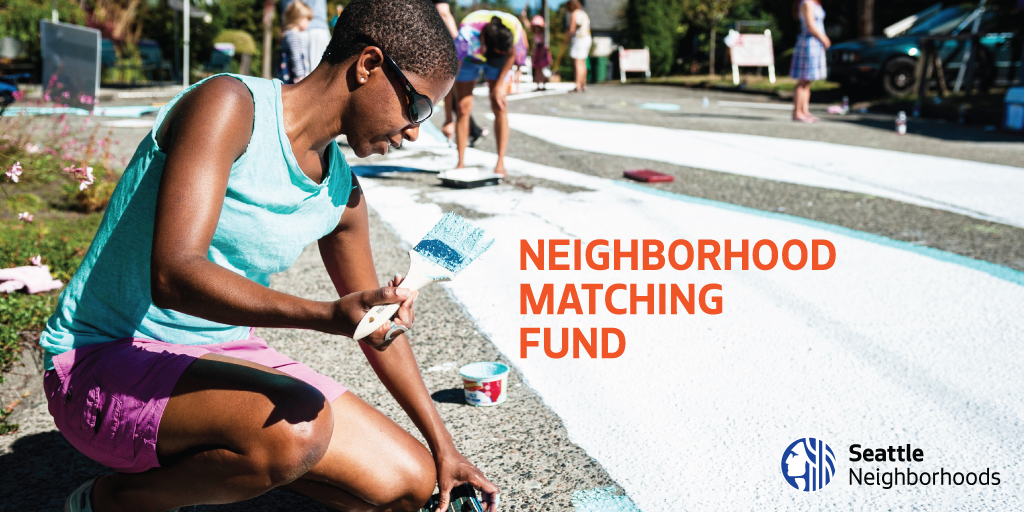
The Neighborhood Matching Fund (NMF) was a controversial issue when the City Council narrowly approved $150,000 to pilot the program in 1989. Twenty-two community- initiated projects resulted. When we sponsored an event to thank the community members who made the projects possible, 500 people attended. At first, I was disappointed that I didn’t recognize more of the participants. Then I realized it was because the projects enticed people newly involved in their community. I came to understand that projects were a much better way to build community than the usual attempt to recruit people to meetings. Unlike meetings, projects always produce a result and provide ways for everyone to contribute. Thankfully, the City Council recognized that and unanimously voted to increase funding for the Neighborhood Matching Fund in subsequent years. It is still a program of the City to this day, in 2025 Department of Neighborhood’s NMF invested $2.3 million in community-led projects.
How have neighborhoods shaped your understanding of community?
A community is a group of people who identify with and support one another. That identity can take the form of culture, religion, gender, age, politics, workplace, sport, hobby, and many other interests. Most people identify with numerous communities, but none of these are a substitute for neighborhoods. Here’s why:
- Neighborhoods provide a manageable scale that makes relationships possible.
- The closer the action is to where they live, the more likely it is that people will get engaged.
- Neighborhoods are the only type of community organized around place so they can shape their built and natural environment.
- Most important, other communities are defined by one type of people. Neighborhoods are comprised of people with a wide variety of identities and make it possible to create more inclusive communities. That’s easier said than done, but it is absolutely essential to overcome the prejudice and polarization in our society.
What does public service mean to you?
I think the word “service” is too limiting; it connotes a one-way relationship and democracy requires more. True, government should deliver good customer service that is respectful, efficient and effective. But, if government treats residents as nothing more than customers, they think of themselves as nothing more than taxpayers, and we’ve lost our democracy. It’s essential to recognize that there are some things best done by government, some by community, and some by government and community working together as true partners. DON plays a key role in encouraging residents to be of service to one another and to be actively engaged with their government.
What does community power look like?
Community power can take two different but complimentary forms. One is mobilizing sufficient numbers of residents effectively enough to hold government, corporations, absentee landlords and other external forces accountable. This is especially important for communities confronted by injustice. The bigger the issue, the more participation is required, but all national movements have been grounded in local communities.
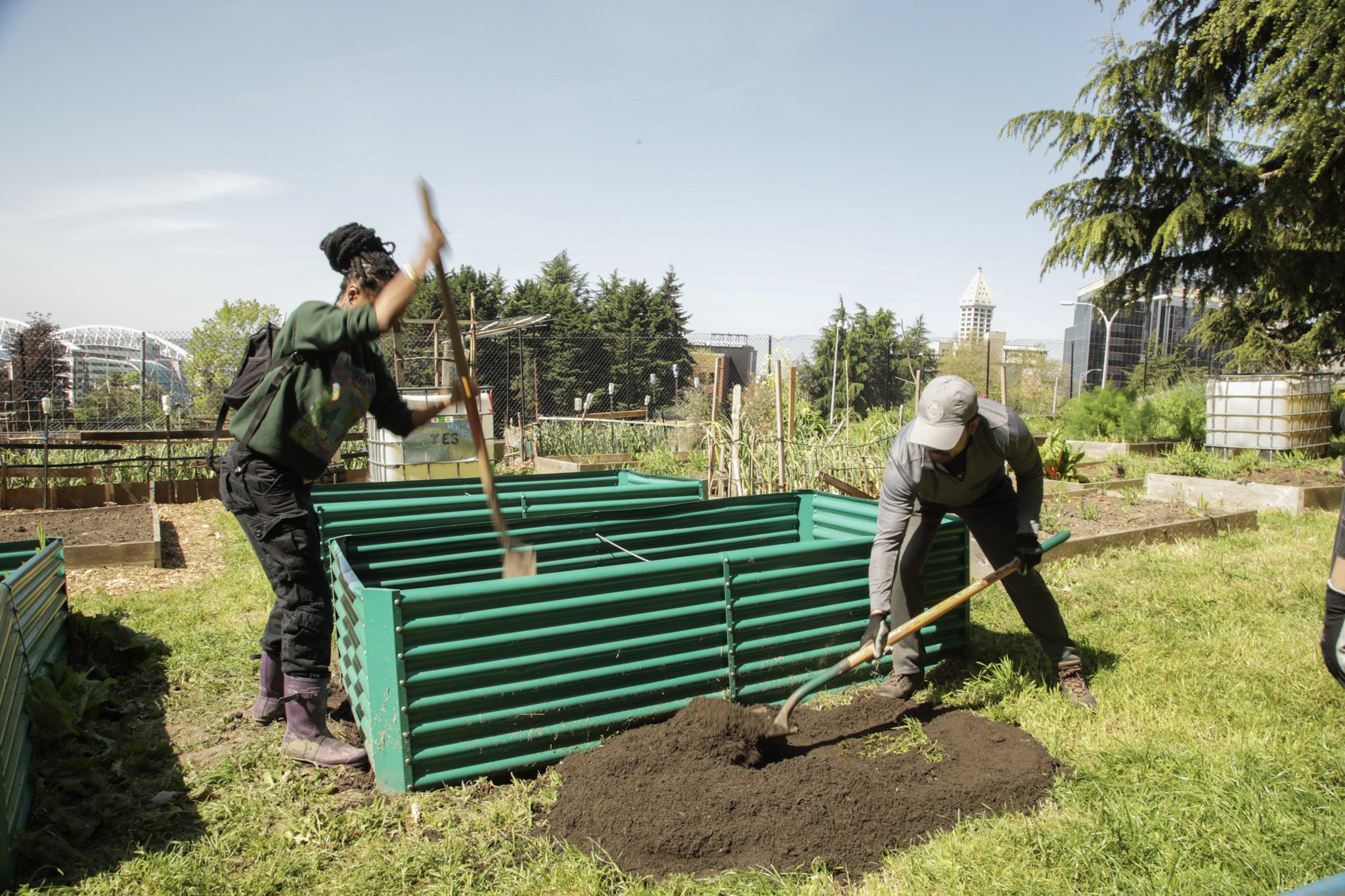
The other form of community power focuses not on what the community is missing but rather on the many resources that any neighborhood possesses. These include the passion, skills and knowledge of every resident, local associations, the built and natural environment, the local economy, and the neighborhood’s history, culture and identity. Mobilizing these resources for mutual support enables the community to take matters into their own hands without having to rely on external actors. There is no substitute for the power of community when it comes to caring for one another and their environment, preventing crime, promoting health, responding to disasters, and creating great places.
Many people aren’t comfortable with meetings and confrontation. A strengths-based approach is often the best way to engage broad participation. Once you have broad-based participation, you don’t need to yell to get the attention of outside forces. You have the power!
Whether it’s a predominantly affluent or low-income neighborhood, every place needs community. It is often most lacking among those who think they can buy everything they need. You can’t buy community and the unique power it brings.
How did your work at DON impact you personally?
Directing DON was an all-consuming job. I needed to be at work during the day to deal with paperwork and endless meetings with staff, other departments, and elected officials. But, my first allegiance was to the community and that required engagement most evenings and weekends. It was that engagement that kept me going. Seeing the commitment people had to their communities was an incredible inspiration to me. Mayor Norm Rice kept reminding me that I had the best job in the world, and I think he was right.
The work I did at DON reinforced my commitment to community and enabled me to continue to learn and grow in ways that gave me opportunities to share those lessons with an ever-larger audience. Awards DON received from HUD and the Kennedy School of Government drew officials from other cities and countries to Seattle to learn from us.
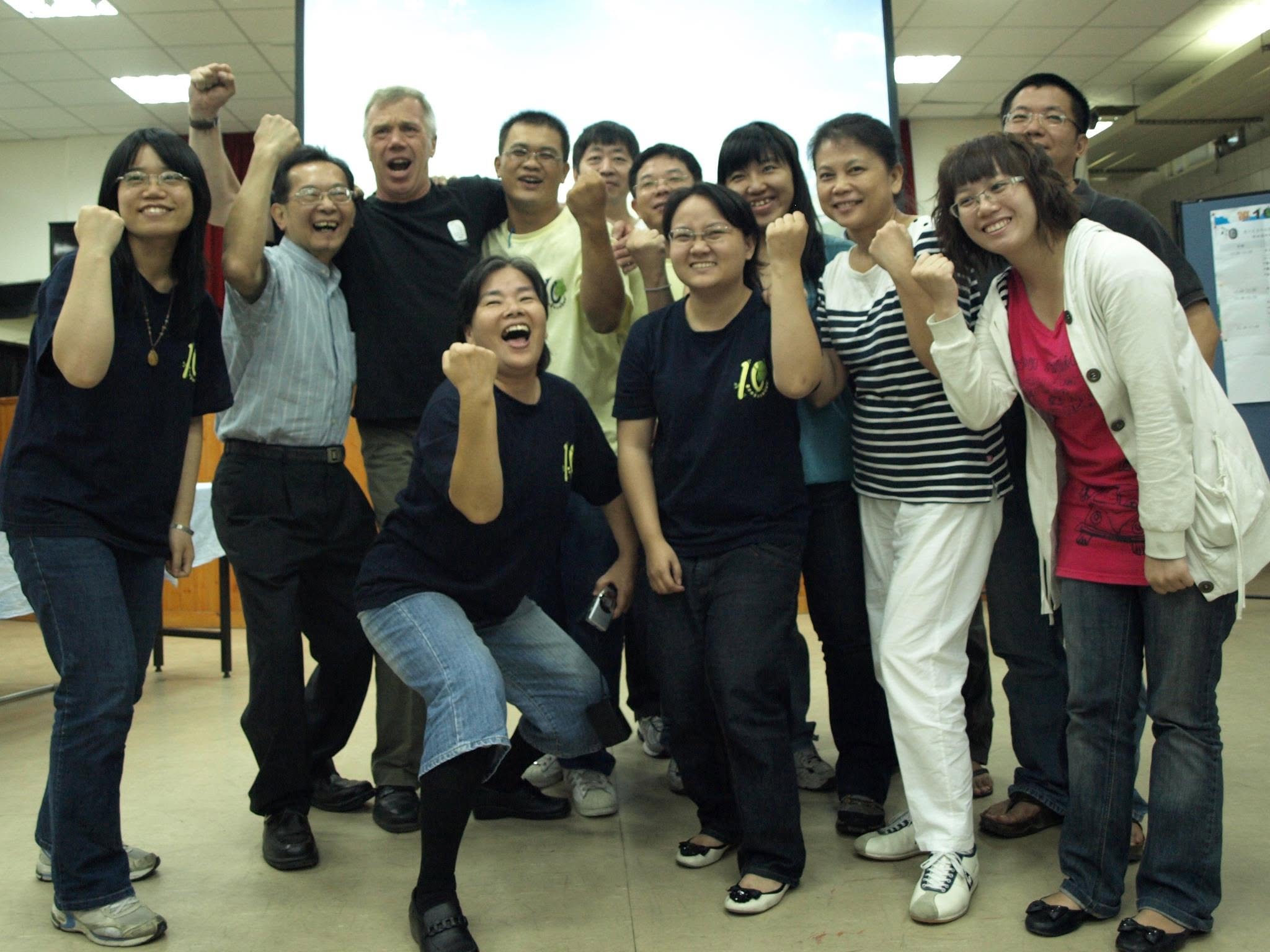
Many departments similar to DON have been established all over the world with programs such as neighborhood liaisons, matching funds, and community-driven planning. Other places have also developed their own programs of community empowerment including neighborhood strengthening strategies, block connectors and community placemaking, so I continue to learn. I am continually inspired by the stories of community power in action. It’s a global movement, and that gives me hope.
How does DON build trust with communities and bridge the gap between residents and government?
DON’s job is to work for both communities and government and help the two work better together. That’s no easy task and requires trusting relationships. Such relationships are built on personal interaction.
DON staff begin by listening to the community as a neutral party and recognizing that there is no one community agenda. The community is made up of many different interests, and one role of staff is to help bring them together.
Staff also need to earn the trust of government, and they can’t do that if they are the sole advocates for the community. After all, the community is the best advocate for themselves. Utilizing their relationships, staff help government partner with the community.
Ongoing trust requires everyone to take responsibility for their role in making the community-government partnership work. For residents, that means working to engage all segments of the community and striving to come to consensus rather than going to city hall divided and making the government choose who to side with or make compromises that no one is happy with. For the government, it means engaging residents from the start and valuing their knowledge, perspectives, and priorities rather than inviting their opinions on decisions that have already been made. It also requires government to be open to supporting community initiatives.
Why is community building within neighborhoods so important, especially right now?
Given the many crises we face, there is no work more important right now than that of DON and its counterparts throughout the world:
- Climate change requires powerful communities to take responsibility for being good stewards of the earth and for holding government and corporations accountable for their role. The environmental movement started from the grassroots and needs to return there.
- Natural disasters have increased greatly with climate change and strong communities are always the first line of defense.
- COVID, ICE, and cuts to federal social programs have all necessitated communities of mutual support.
- Increasing prejudice and polarization require more inclusive communities.
- Democracy is under threat everywhere, and many people see government as a problem, not a solution. The natural place to begin rebuilding trust and ownership is between neighborhoods and local government. DON is best positioned to do that work.