This story originally appeared as an opinion piece in the Seattle Times.
by Jenifer Chao, Director of Seattle Department of Neighborhoods
Almost every day, another headline reminds us that immigration is under attack. Across the country, fear is being weaponized. Immigrants and refugees are portrayed as problems to solve instead of people to welcome. Some in power would have us believe that immigrants weaken America. But as someone whose life was made possible by immigration, I know the opposite is true. Immigration keeps this country alive, vibrant and strong.
My story begins half a world away. Fifty years ago, my parents crossed the Mekong River under the cover of darkness, carrying little more than courage and hope. We are members of a tribal group called the Iu Mien from Southeast Asia. During the Vietnam War, my father was recruited by the U.S. to fight in the “Secret War” in Laos. When the Communists took power, my family fled to a refugee camp in Thailand, and years later we were resettled in Seattle through the International Rescue Committee.
I grew up in the Central District. My parents spoke little English, and the simplest parts of daily life like filling out forms, visiting a doctor or finding a job were daunting. But they never stopped trying. My mom became the first Mien woman in our community to go to school to learn English, breaking cultural norms so she could advocate for other families and help them get the resources they needed.
I watched her show up for our community day and night. Mien people would call her for help. I watched our neighbors share food, child care and wisdom. These moments, quiet and constant, taught me what real strength looks like. Immigrants know how to build community out of struggle. That spirit is what defines us and what makes America strong.
As I got older, I saw that same spirit in Seattle — from Beacon Hill to Rainier Valley to the University of Washington. People from every background and belief system found ways to connect and solve problems together. I learned that our strength as a city and a nation comes from that diversity of culture, of experience, of ideas. When we make space for everyone, we all rise.
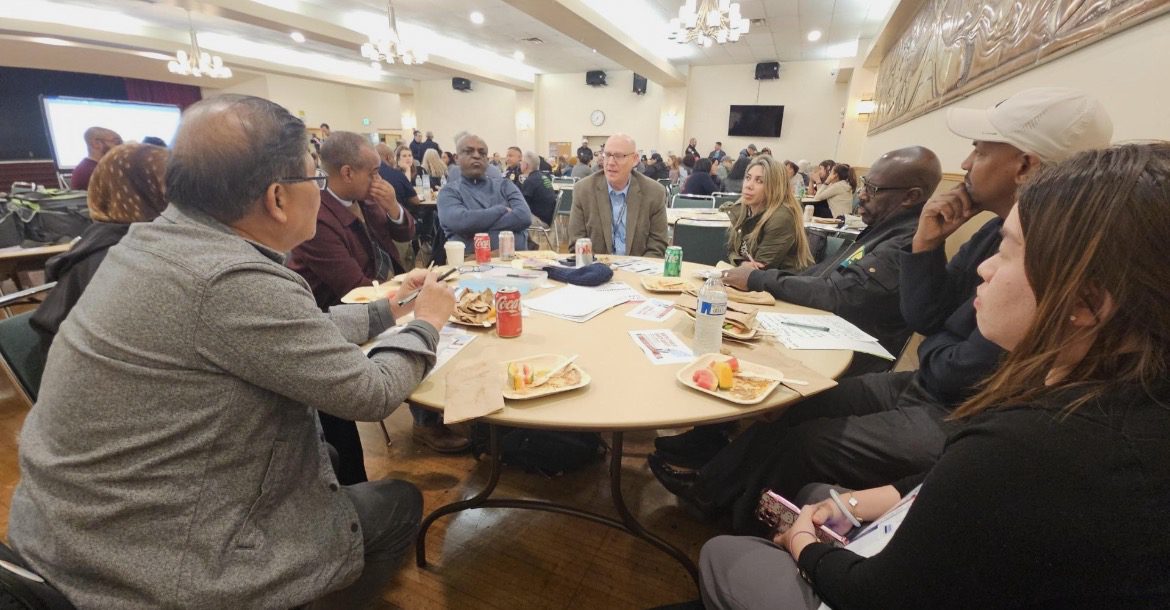
That belief has guided me through 16 years of public service with the city of Seattle, and especially now as director of the Seattle Department of Neighborhoods. Our work is about connection. About helping people build stronger communities and ensuring every voice can be heard in shaping the city.
Immigrant and refugee communities are at the heart of that work. Through our Community Liaison program, we partner with leaders from across Seattle’s immigrant and refugee communities to make sure people are heard in their own languages, through people they trust. Our Food Equity Fund supports organizations led by immigrants and people of color to ensure access to culturally relevant, healthy food. Our P-Patch gardens provide belonging for immigrants and refugees to grow their own ethnic food. Our Neighborhood Matching Fund invests directly in community-driven projects that bring people together across cultures and generations. The department’s staff reflects these experiences, which strengthens our connections to the communities we serve.
This work isn’t abstract for me. It’s deeply personal. I know what it’s like to be new, to be unseen, to feel like you don’t have a voice in the place you call home. And I know what a difference it makes when someone opens a door, listens and makes space for you to belong.
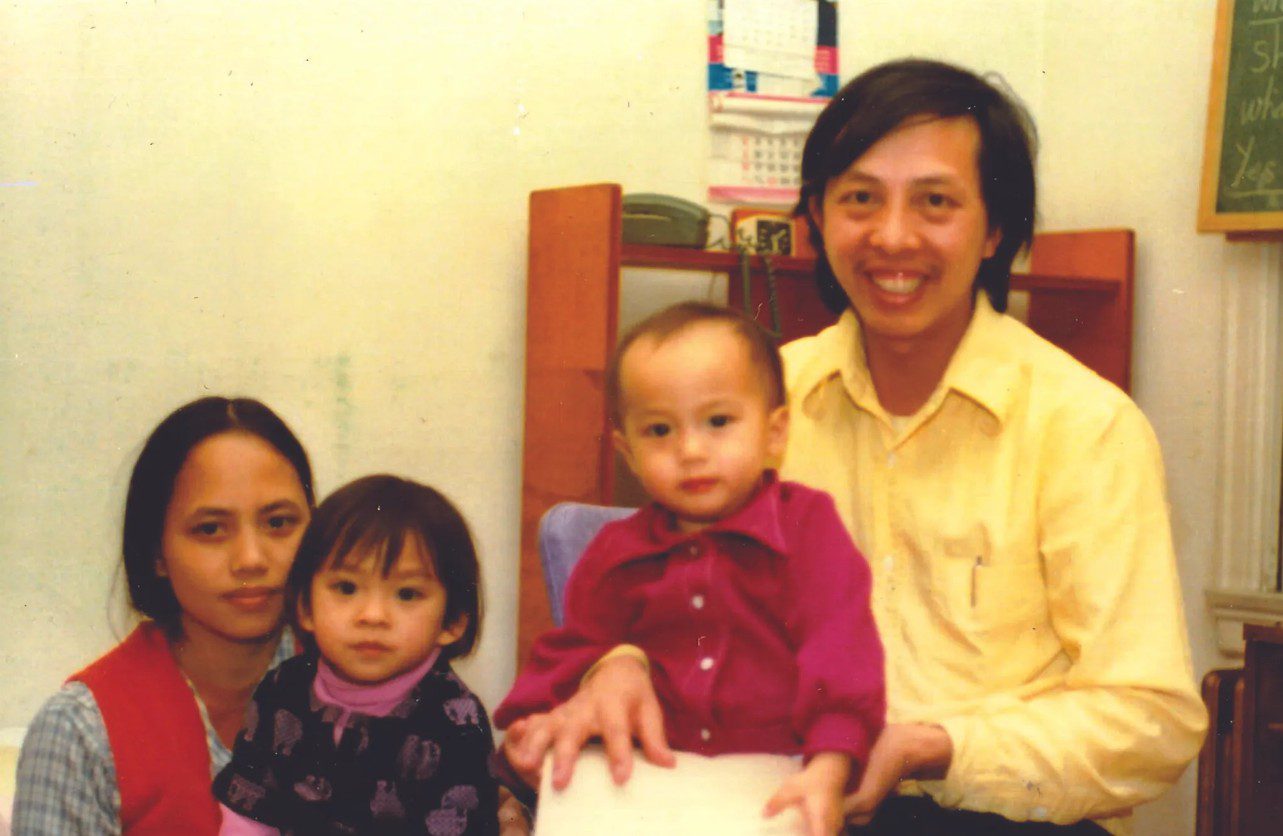
I keep a photo on my desk of my family when we first arrived in Seattle. This picture reminds me of why I do this work. I am inspired by my parents’ courage to travel across the Mekong River so their children could have a future. My responsibility — and privilege — is to help create that possibility for others.
Immigrants are not America’s weakness. We are part of its foundation. We turn hardship into hope and every person who comes here strengthens the fabric of this country. And here in Seattle, and especially at Seattle’s Department of Neighborhoods, we see every day that when we welcome people fully into our communities, we don’t just honor their stories. We build a stronger future for all of us.