This piece is part of a short series focused on community occupations of historical places in Seattle. These stories, told by community members, showcase the power of people uniting to protect important community places in the city and the ways these places continue to provide meaningful space, resources, and services to residents.
“More than fifty years ago, community members came together to occupy the former Beacon Hill School and transform it into what is now El Centro de la Raza. That act of collective courage was about more than a building—it was about claiming space, dignity, and opportunity for our community. Today, that legacy continues to guide our work as we create places where culture, education, and social justice thrive. The story of El Centro reminds us that when communities unite to claim space, they also shape the future of the city.”
— Estela Ortega, Executive Director, El Centro de la Raza
El Centro de la Raza’s is rooted in a simple yet powerful vision: building the Beloved Community—a place where dignity, opportunity, and justice are shared by all. Every day, its programs bring that vision to life by uplifting youth, strengthening families, expanding economic opportunity, and creating pathways to stability and self-determination.
Our photo essay traces the story of how community action became lasting impact. It begins with The Occupation, when community members came together to claim space and dignity, leading to The Founding of El Centro de la Raza. From there, it highlights how that moment grew into programs and services that support families every day — community in action. It concludes in Plaza Roberto Maestas, where today we gather to celebrate culture, educate, and advocate together with our neighbors in Beacon Hill.
This is Our Story
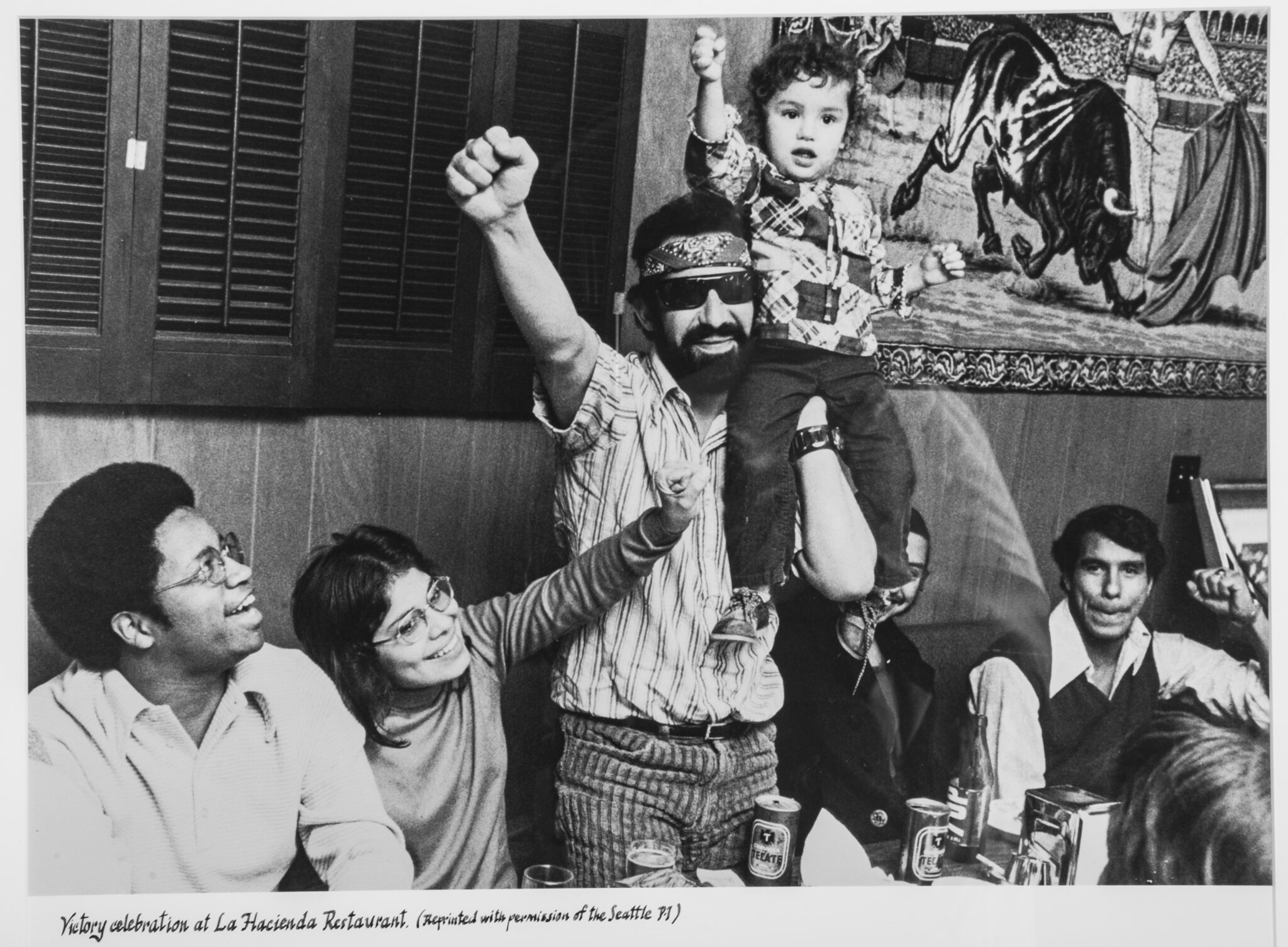
In the Autumn of 1972 was not the “best of times” for Seattle, the Northwest, the United States or the world at large. Seattle was struggling with the “Boeing bust,” the area’s worst recession since the 1930s. The deep racial divide as well as the war in Vietnam were tearing apart the soul of our nation. At one point, some anonymous “carpenters” made national news by erecting a billboard along a highway reading, “Will the last person leaving Seattle, please turn off the lights?”
The days shortened, the rains arrived and the air cooled into one of Seattle’s coldest winters on record.
A regressive governmental decision demonstrated how the lines between international, national and local issues could easily become one. A “War on Poverty” centerpiece program, barely after the highly-touted “WAR” had begun, was abruptly defunded, sparking an issue that led to the creation of “El Centro de la Raza.”
About seventy Latino students and ten staff of the Chicano: English and Adult Basic Education Program at the Duwamish branch of the incipient South Seattle Community College found themselves without an educational home.
The First Big, Bold Step
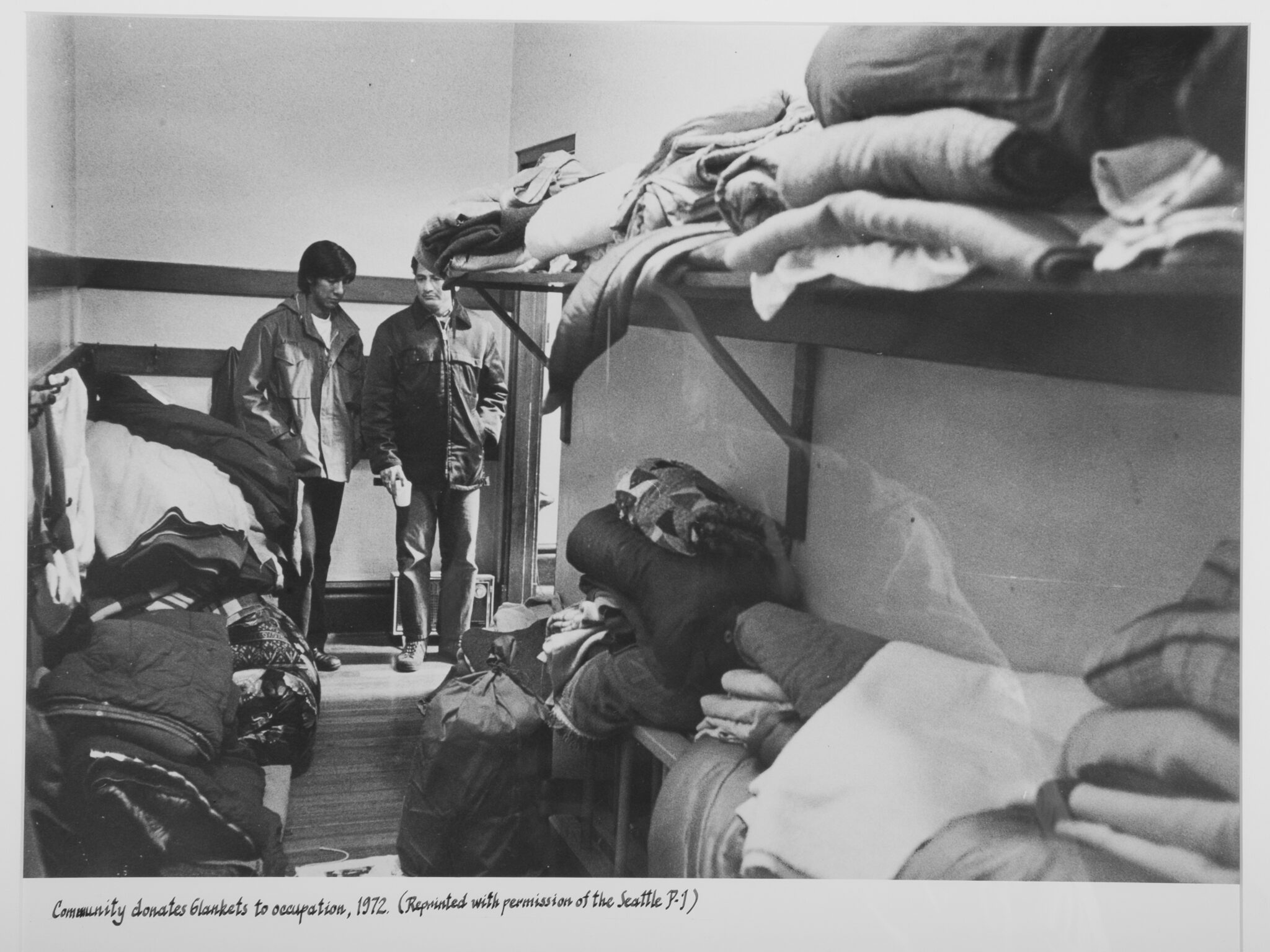
At 8:00 AM on October 11, 1972, a three-person delegation was greeted by the facilities manager of the Seattle Public School District who showed a decaying, dilapidated facility to representatives of “some” organization interested in renting or buying the abandoned three-story elementary school building.
As the lock clicked open, the leader of the delegation slipped the lock out of the mechanism and placed it in his pocket, confusing the custodian who said nothing.
Thus began a more than 50-year historic journey as core staff, students, and their families nervously and silently walked from behind bushes and parked cars through the open door.
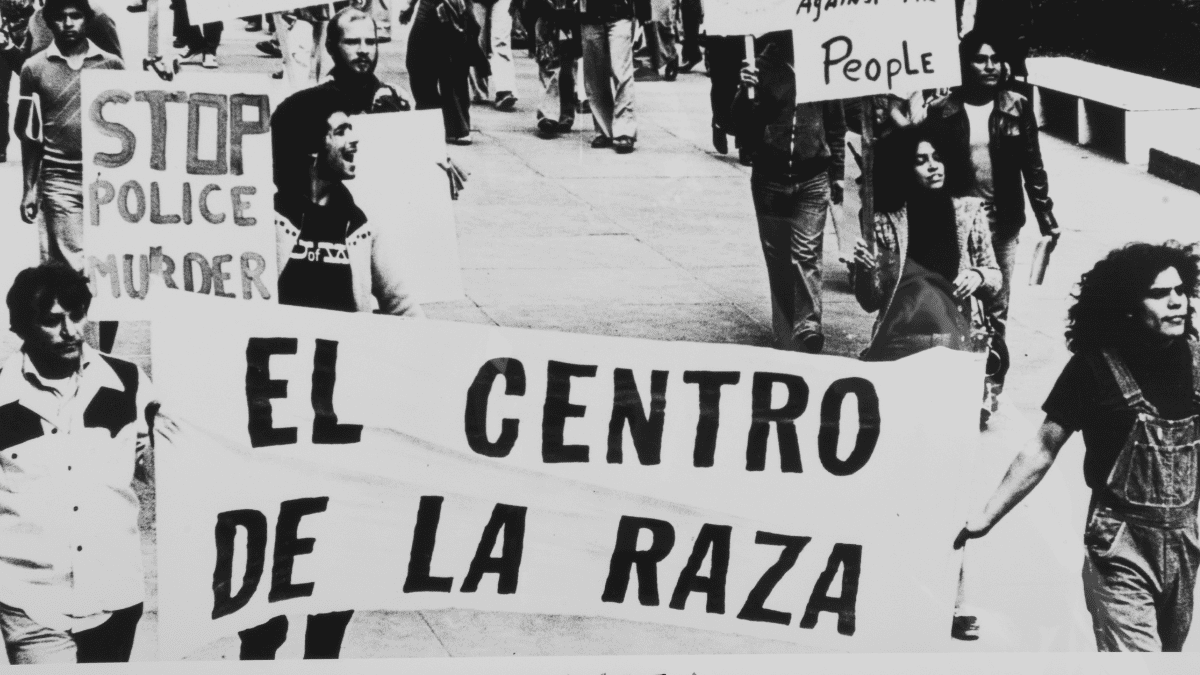
The occupation of the abandoned Beacon Hill School located on the crest ten minutes from the heart of downtown Seattle had begun. At that moment, Beacon Hill School ceased to exist and El Centro de la Raza was born.
The Context

This incident mirrored the countless political and social demonstrations and tenor of the previous decade and had intensified in 1968 with the assassination of Dr. Martin Luther King Jr. (following his short but magnificent two decades of struggle for racial equality).
The following year, Alcatraz Island in San Francisco Bay was occupied.
In 1970, Fort Lawton, a surplus military facility in Seattle, was occupied by Native American activists seeking the restoration of their treaty rights including salmon fishing and land-based rights. Large farmworker strikes were occurring in California and in the Yakima Valley of Washington State. Asian residents in Seattle’s Chinatown adjoining the Beacon Hill neighborhood were fighting the gentrification of the area by repeatedly hitting the streets.
Most university campuses in the state, nation and the world were experiencing mass demonstrations and occupations against the Vietnam War. The entire nation was stunned by the military killings of protesting students at Jackson State and Kent State Universities under the Presidential watch of the infamous Richard Nixon.
Those who led the peaceful occupation of the crumbling Beacon Hill School had participated in many of these activities and had experienced the power of joining efforts across racial and class barriers.
José Martí Child Development Center
Founded in 1972, the José Martí Child Development Center (JMCDC) is a community-based program that serves children ages 15 months to 5 years old. The bilingual, bicultural curriculum emphasizes cultural diversity, social justice and family involvement in order to develop children’s self-awareness, cultural pride, and self-esteem, which is combined with age-appropriate developmental activities in the four domain areas of development (cognitive, social/emotional, physical and language) to adequately prepare children for kindergarten.
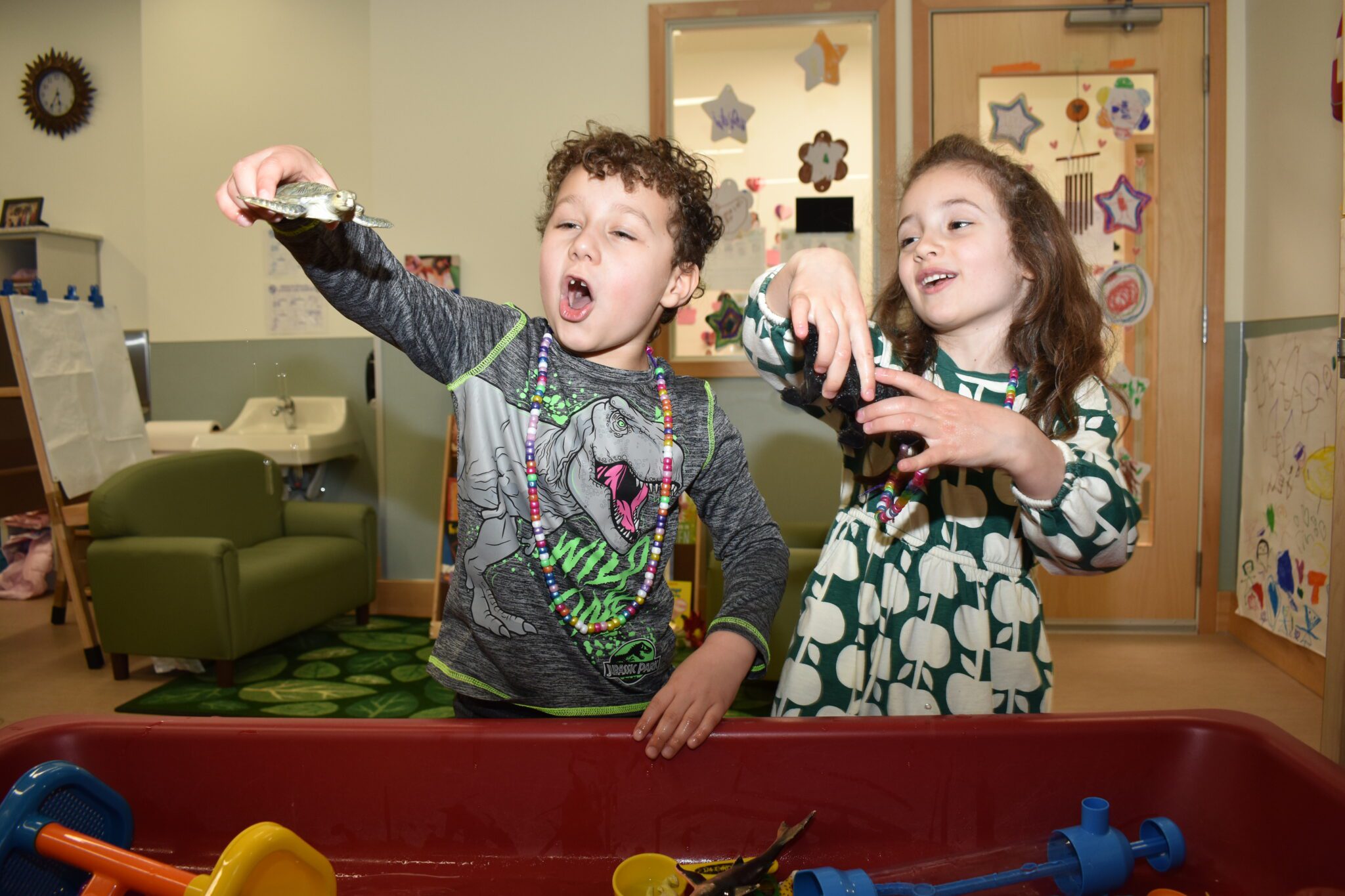
Classroom Tour of José Martí Child Development Center Beacon Pacific Village campus where young minds are educated through cultural diversity, social justice, and family involvement. February, 2025.
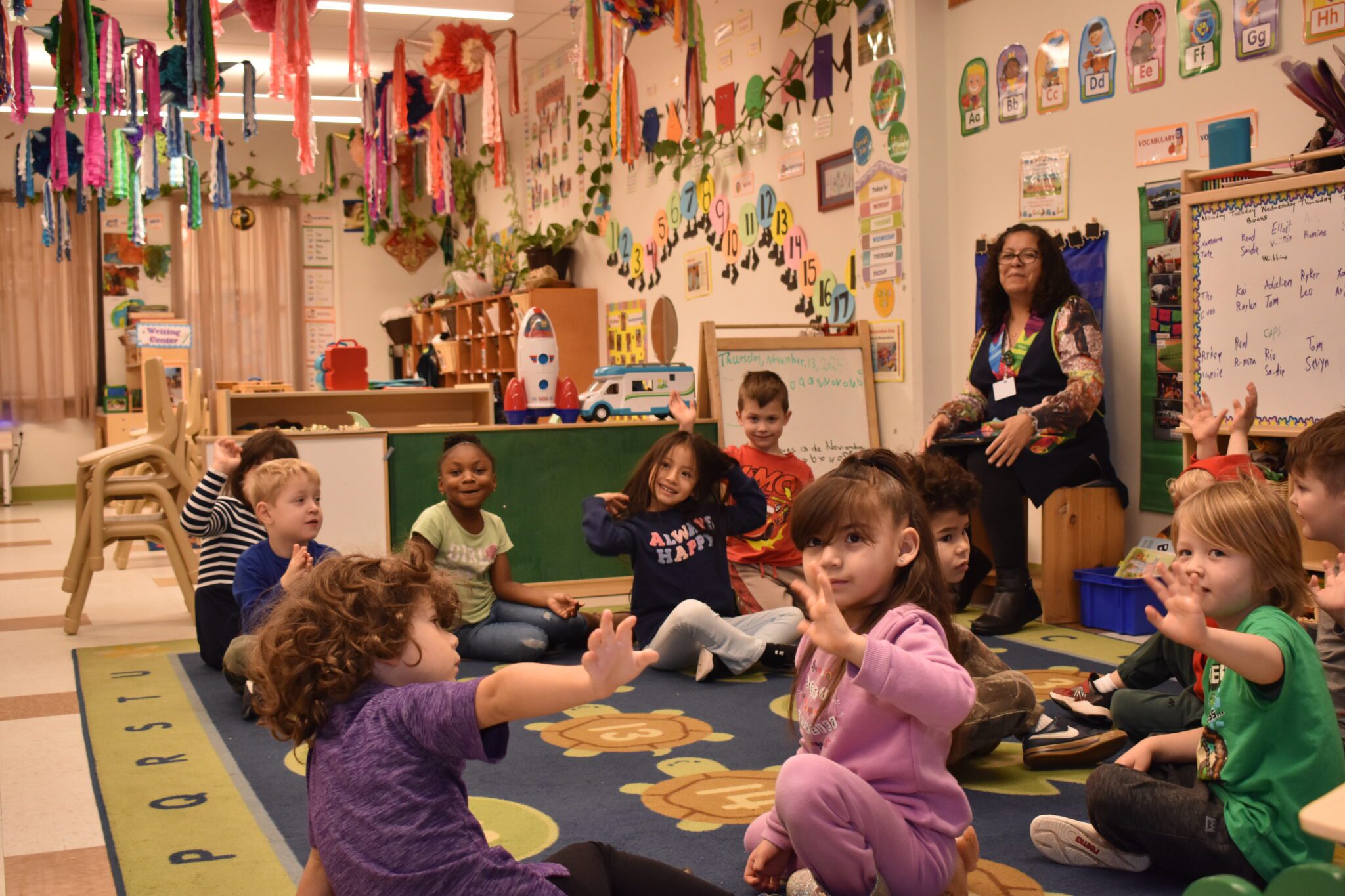
Pre-K students in Teacher Rocio’s class in the José Martí Child Development Center experience multi-cultural learning while making piñatas for 2025 Las Posadas celebration. November, 2023.
Photo: Jo Moreau
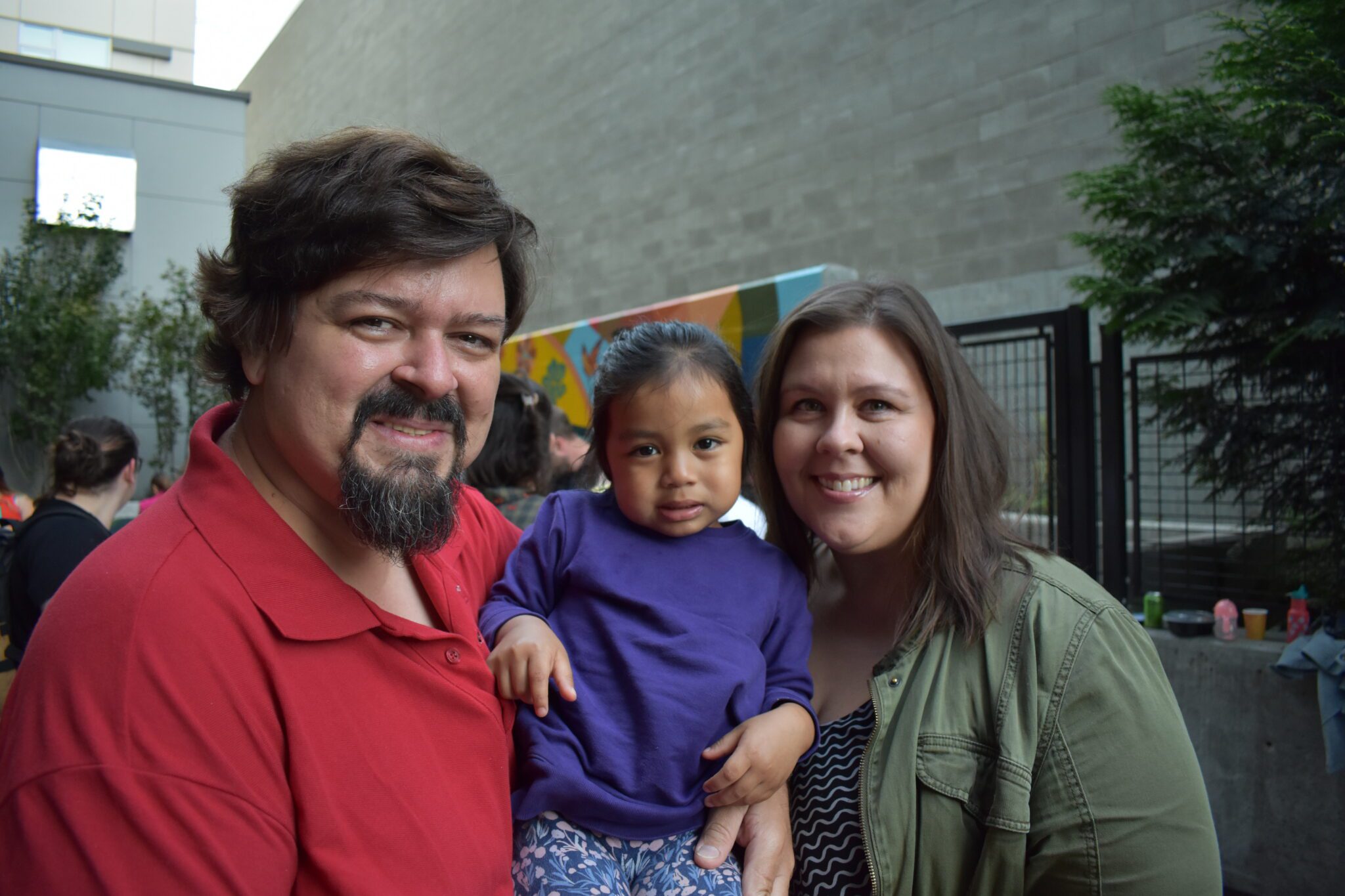
A vibrant new mural by Angelina Villalobos Soto now brightens the playground wall at our José Martí Child Development Center – Cedar Crossing. August, 2025.
Photo: Marcos Olazabal
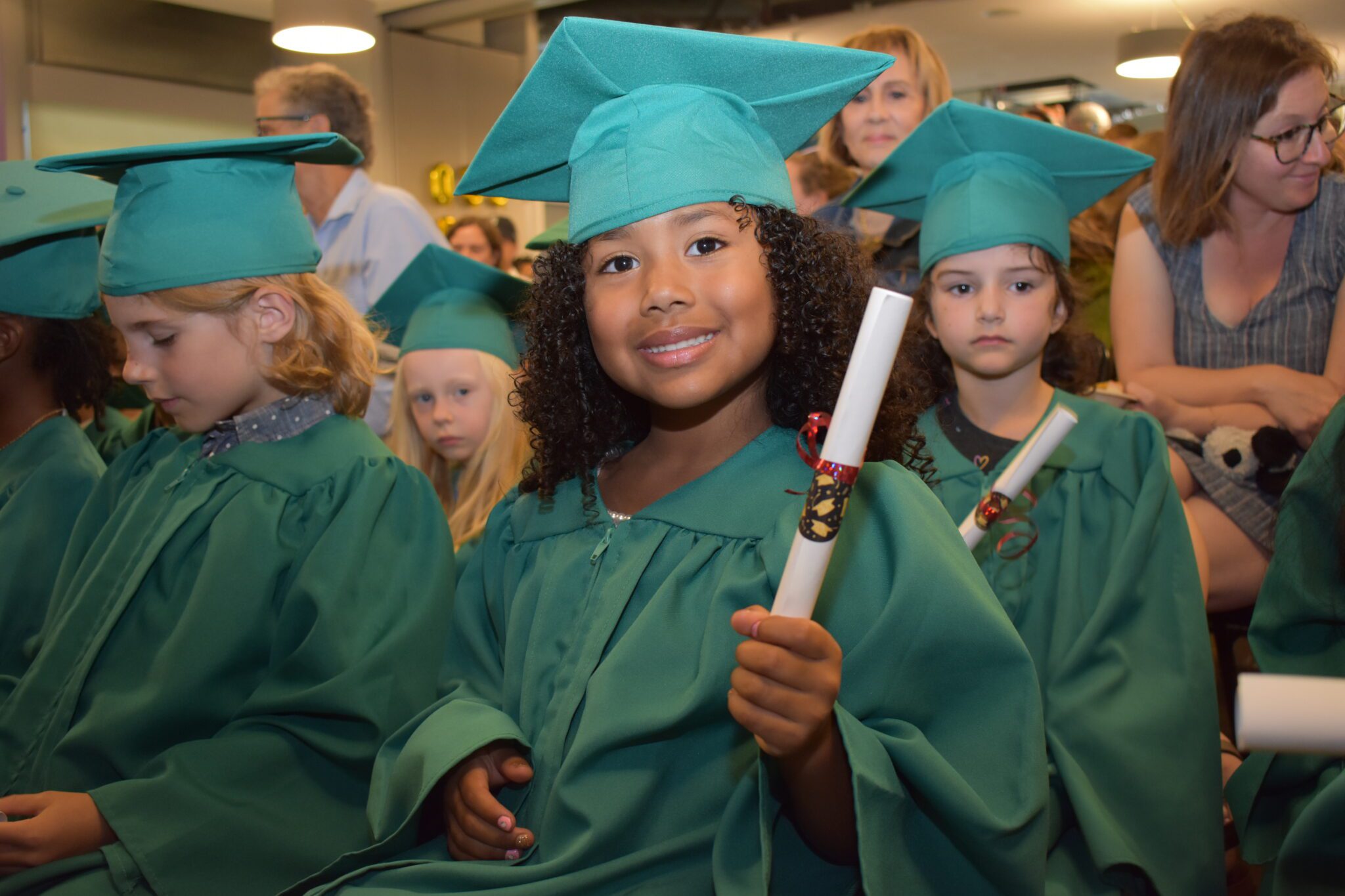
2025 Graduating class of the bilingual, bicultural curriculum at José Martí Child Development Center. June 26, 2025.
Photo: Marcos Olazabal
Parents as Teachers: Growing and Learning Together
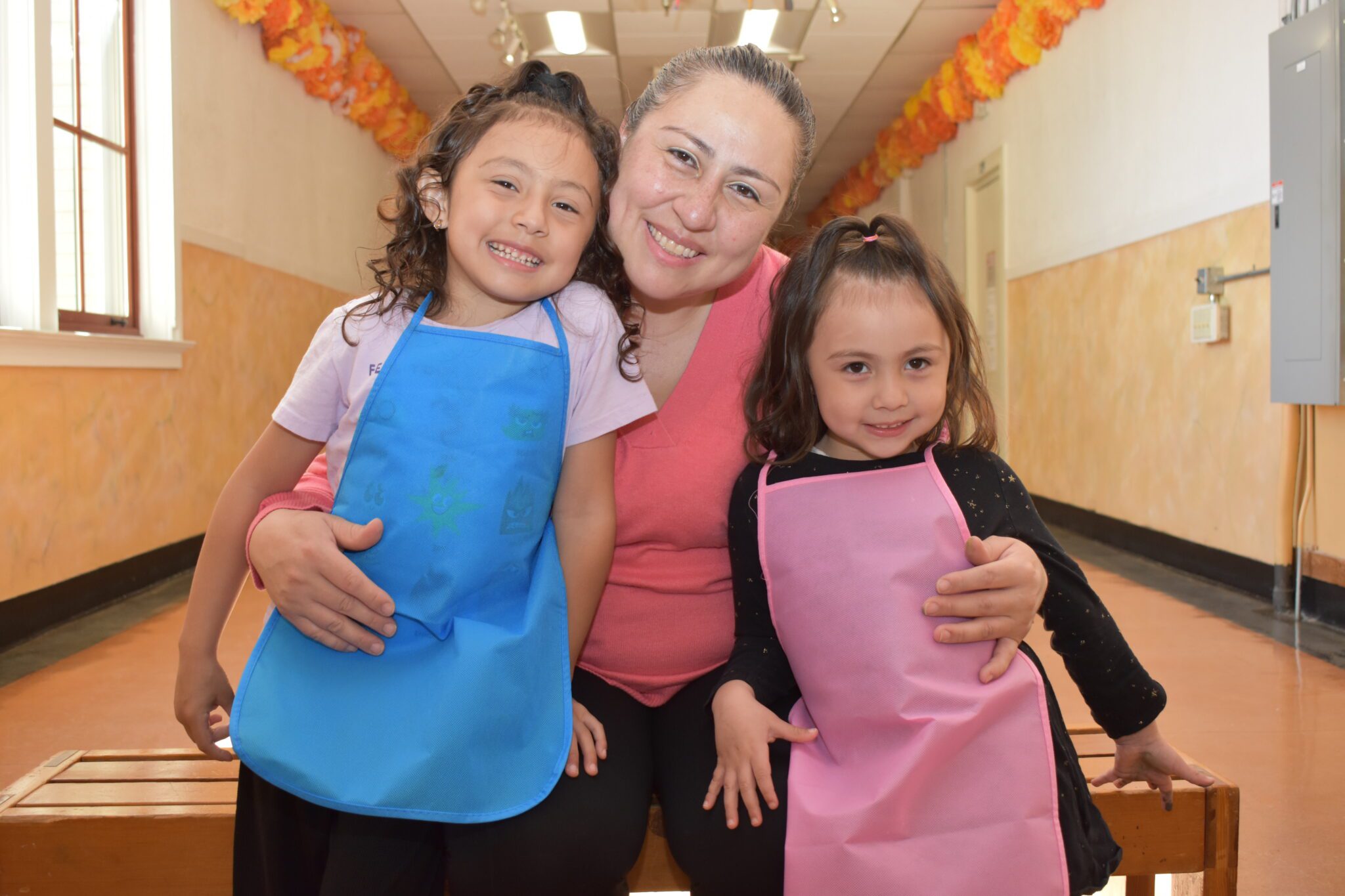
This program focuses on helping parents to develop skills and build their confidence using the Parents As Teacher curriculum. The program has different components that allow the families to explore in different environments: group sessions, home visits, assessments and resources. All of these customized to the family’s needs. Kaleidoscope Family, April, 2025.
Photo: Marcos Olazabal
Roberto Maestas After School Program
Roberto Maestes After School Program provides youth with cultural enrichment, academic support, and personal development opportunities; a space where youth can express themselves freely. It is a safe community, where scholars are inspired to learn through: curiosity, truth, and vulnerability. Grounded in ethnic studies, we aim to create critical thinkers, who are not afraid to question the world around them.
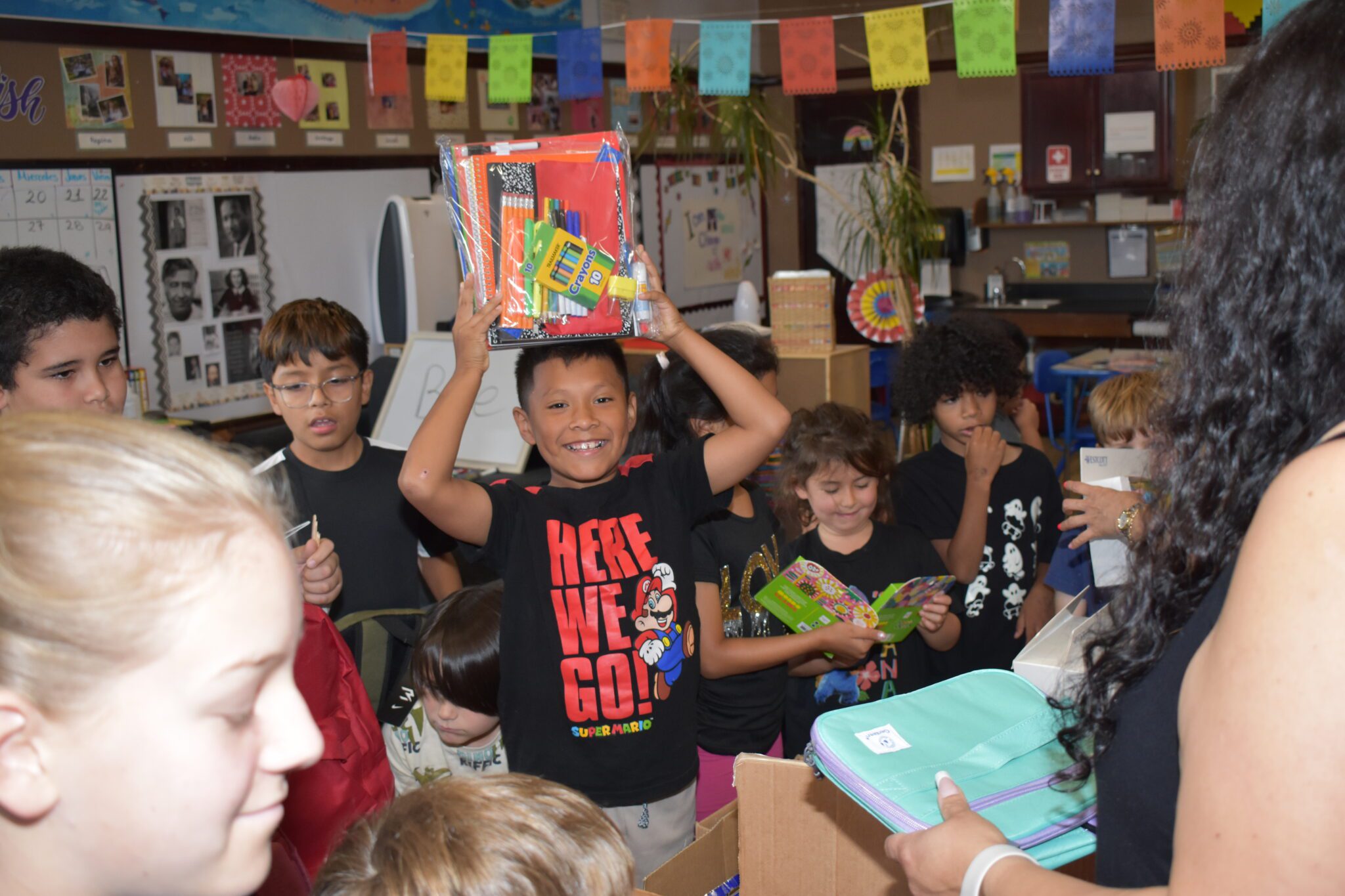
Seattle community unites to support Roberto Maestas after school program during Key Bank Foundation Back-to-School donation event. August, 2025.
Photo: Marcos Olazabal
Senior Hub Program
The Senior Hub Program addresses emotional, physical, social, intellectual needs through nutrition and health education, nutritious daily congregate meals, a weekly grocery bag from our food bank, guest speakers, financial presentations, assistance with technology, recreational games like “Loteria” and more. Seniors take part in various social and educational activities daily and exercise classes are offered three times a week.
Senior Hub participants partake
in weekly Loteria community
building activity. November, 2023.
Photo by Lucia Flores-Wiseman

Plaza Roberto Maestas – The Beloved Community
The heart of community at Plaza Roberto Maestas — a vibrant gathering space where neighbors connect; culture comes alive, and advocacy is celebrated. Experience a full day of Cultura, Comunidad y Celebración with multicultural performances, outdoor mercados, and delicious offerings from food cart vendors in El Centro de la Raza’s Business Opportunity Center (BOC) Food Incubator Program. From summer movie nights to dynamic community events, the Plaza is where Seattle comes together.
Getting to Plaza Roberto Maestas is easy as it is just steps from Beacon Hill Station on Sound Transit’s Link light rail, making it simple for the entire region to join in the celebration.
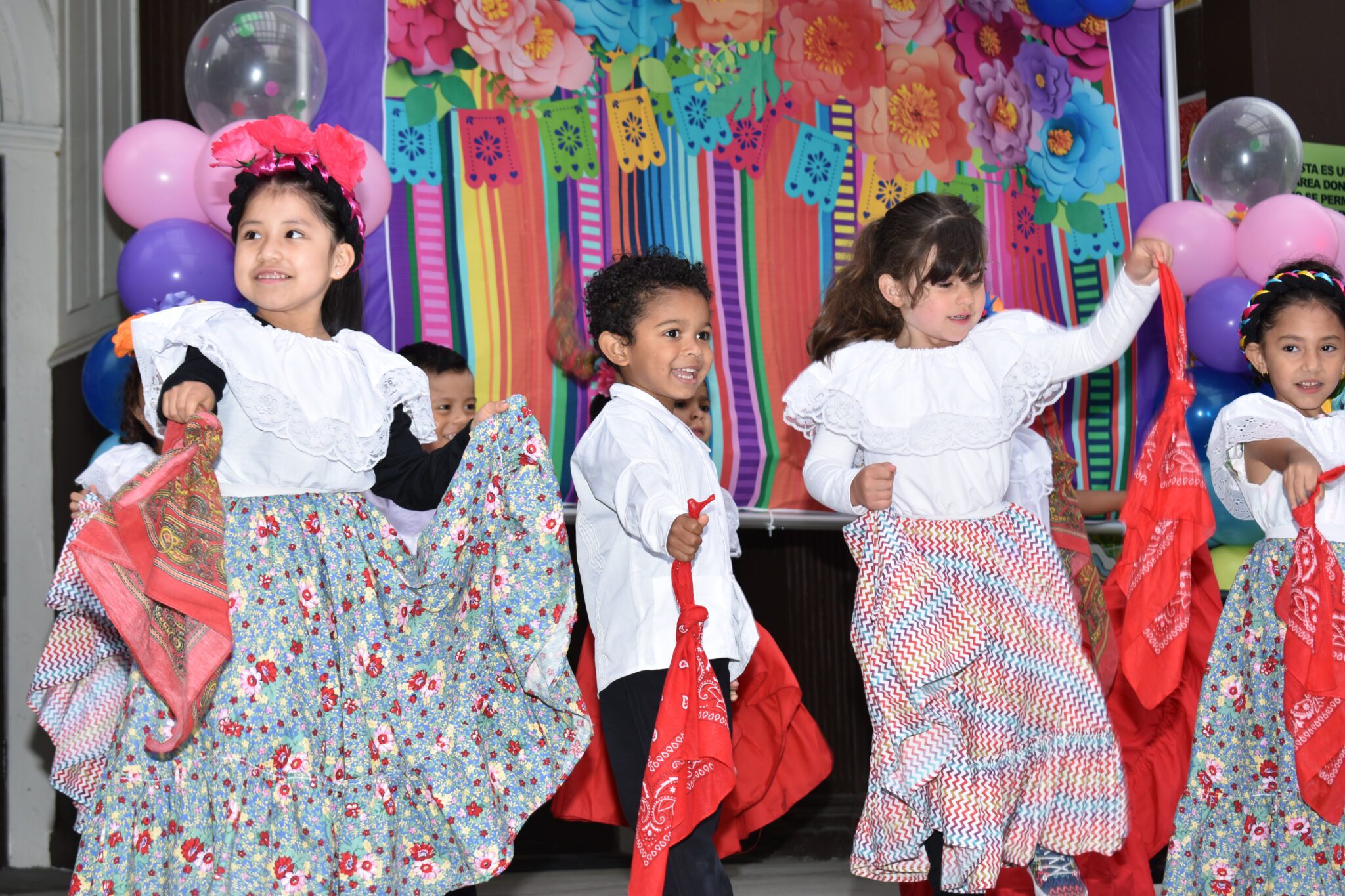
Plaza Roberto Maestas lights up with community joy during our Cinco de Mayo Celebrations.
Photo: Marcos Olazabal
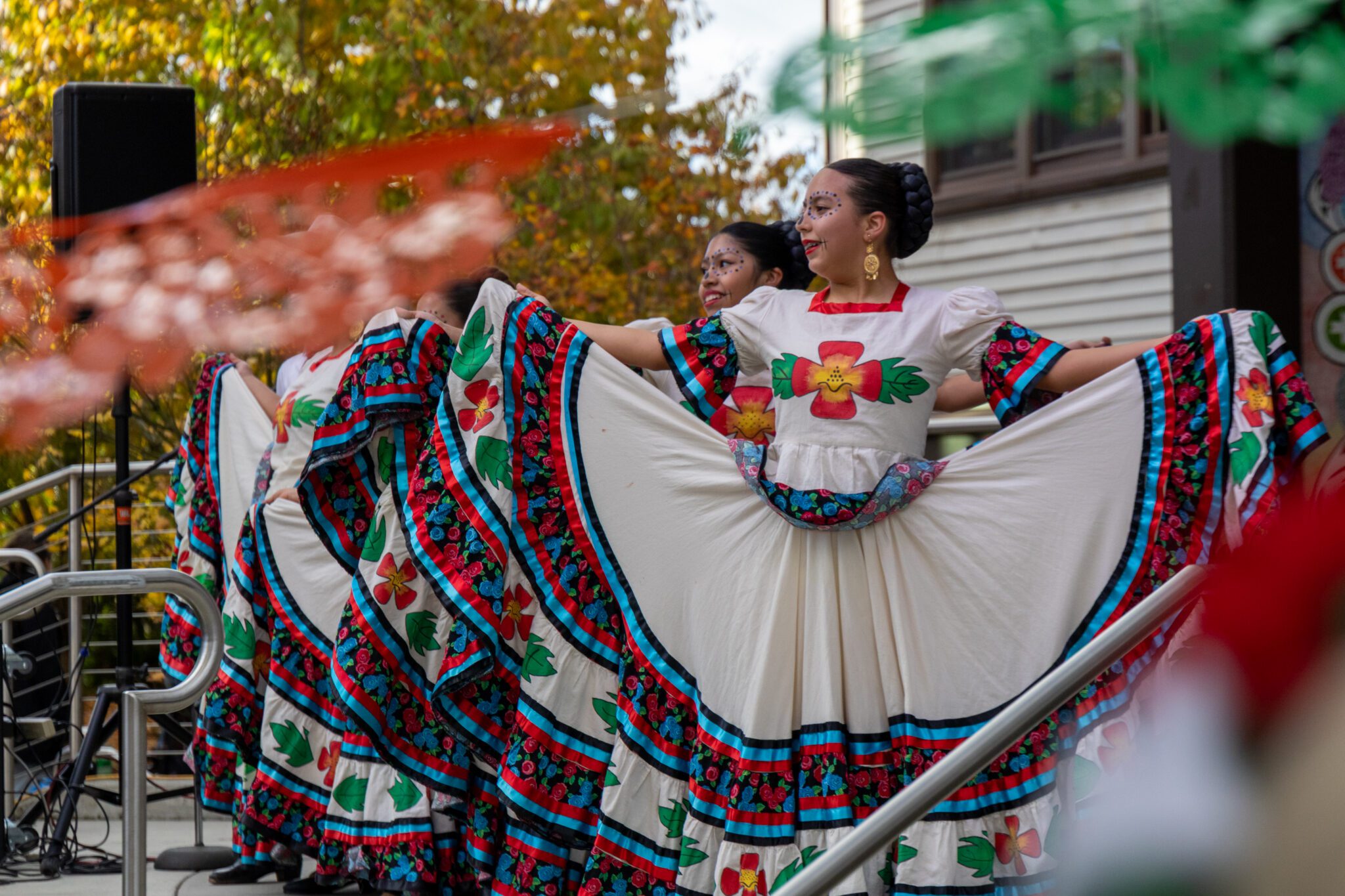
Thousands gather in spirit of arts and cultural preservation during Día de los Muertos celebration at Roberto Maestas Plaza, November, 2025.
Photo credit: Sergio Rodriguez
Plaza Roberto Maestas Grand Opening
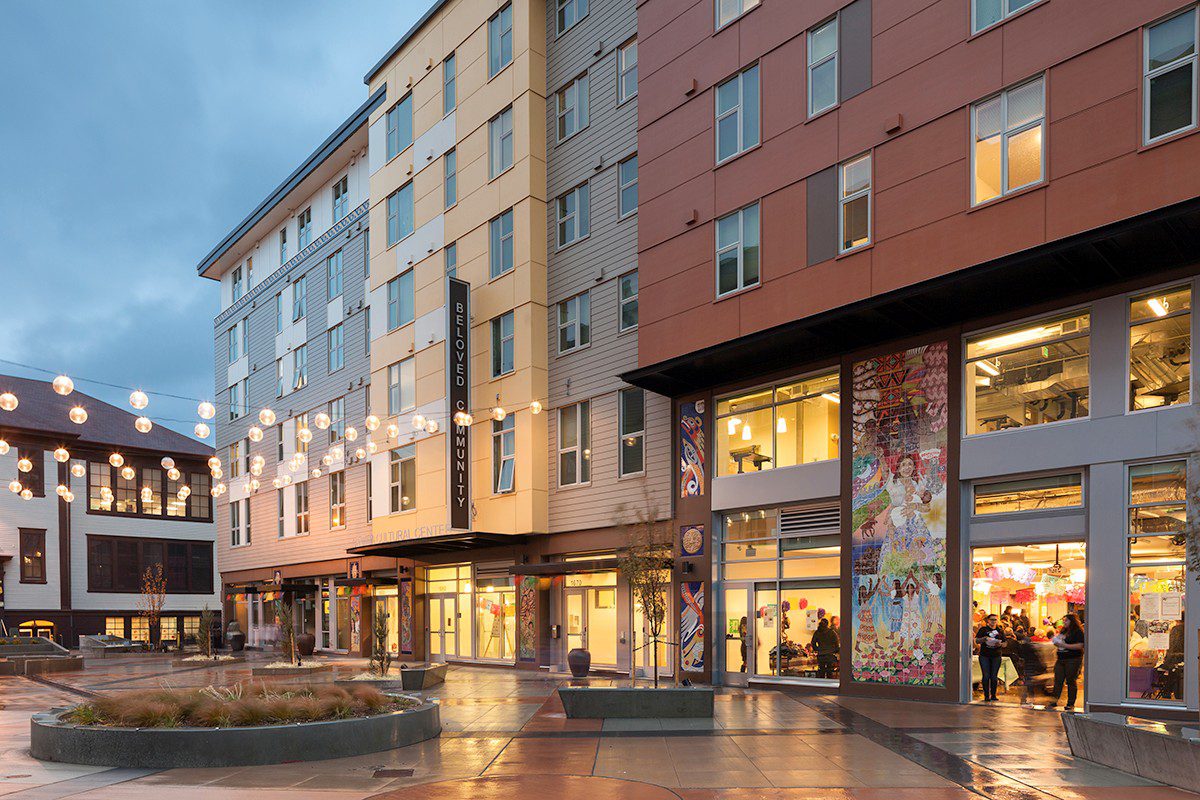
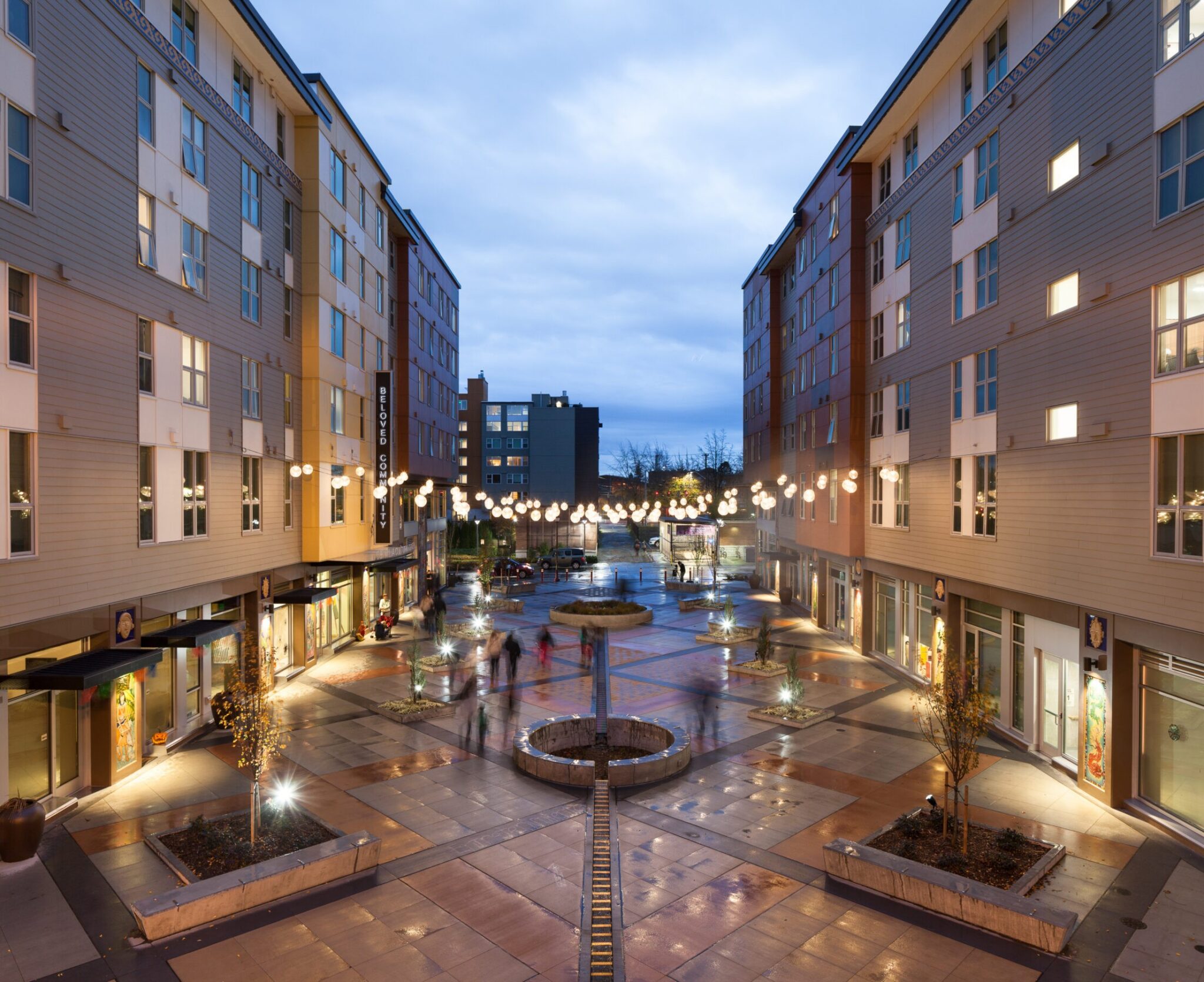
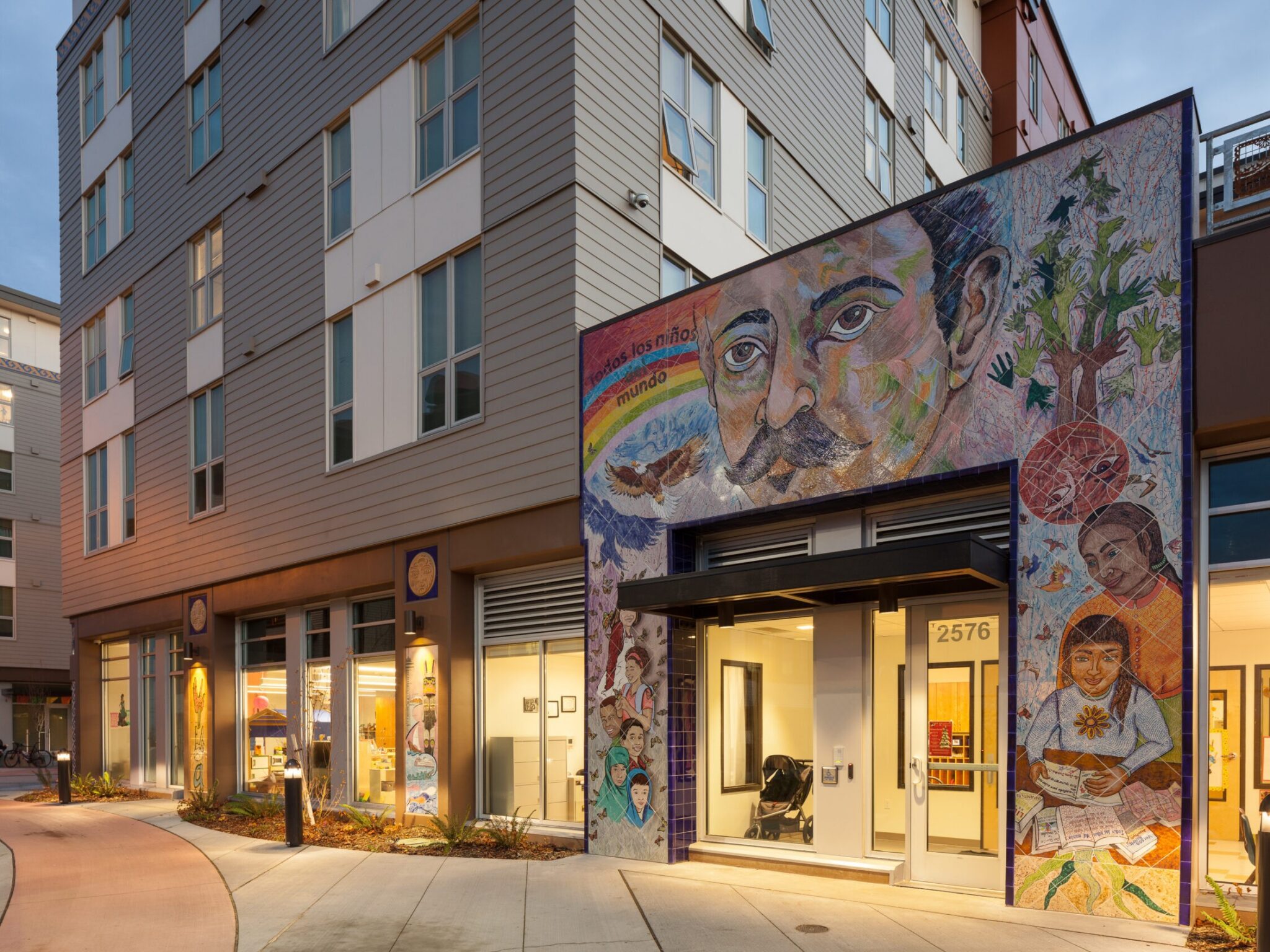
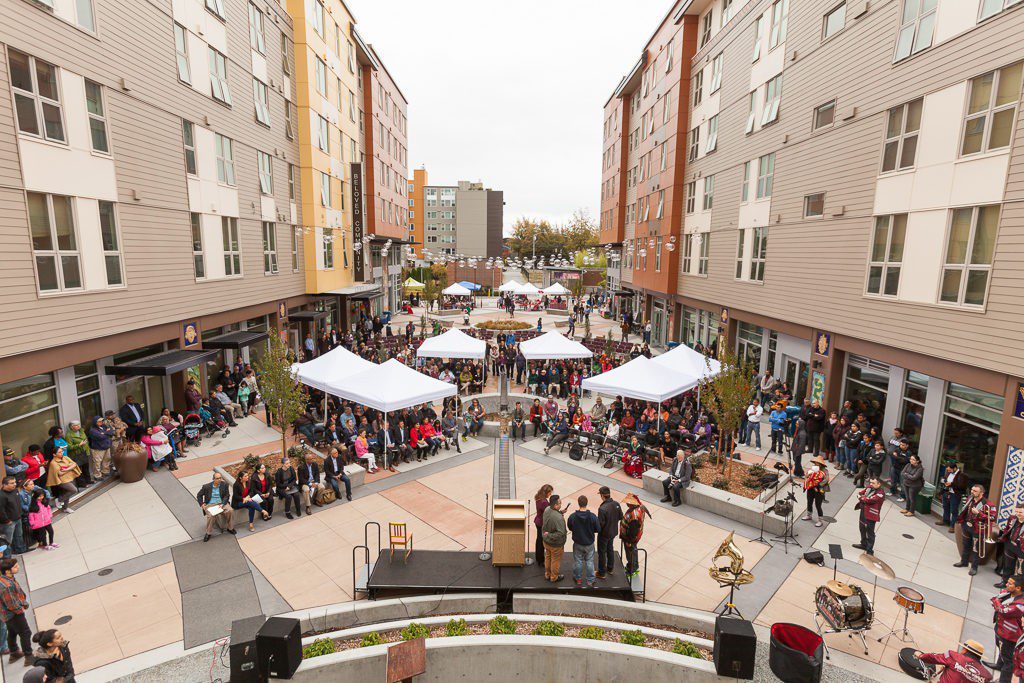
Photo credits: Beacon Dev Group