This piece is part of a short series focused on community occupations of historical places in Seattle. These stories, told by community members, showcase the power of people uniting to protect important community places in the city and the ways these places continue to provide meaningful space, resources, and services to residents.
“Fighting the Flames of NIMBYism since 1970”
Submitted by Environmental Works
Seattle in the late 1960s was a city in transition. It was grappling with the Vietnam War, civil rights struggles, environmental degradation, and economic instability after Boeing layoffs. Plans for new freeways threatened to fracture established neighborhoods, older buildings were being demolished in the name of modernization, and communities were organizing to push back against discriminatory practices of disinvestment in Black and brown neighborhoods.
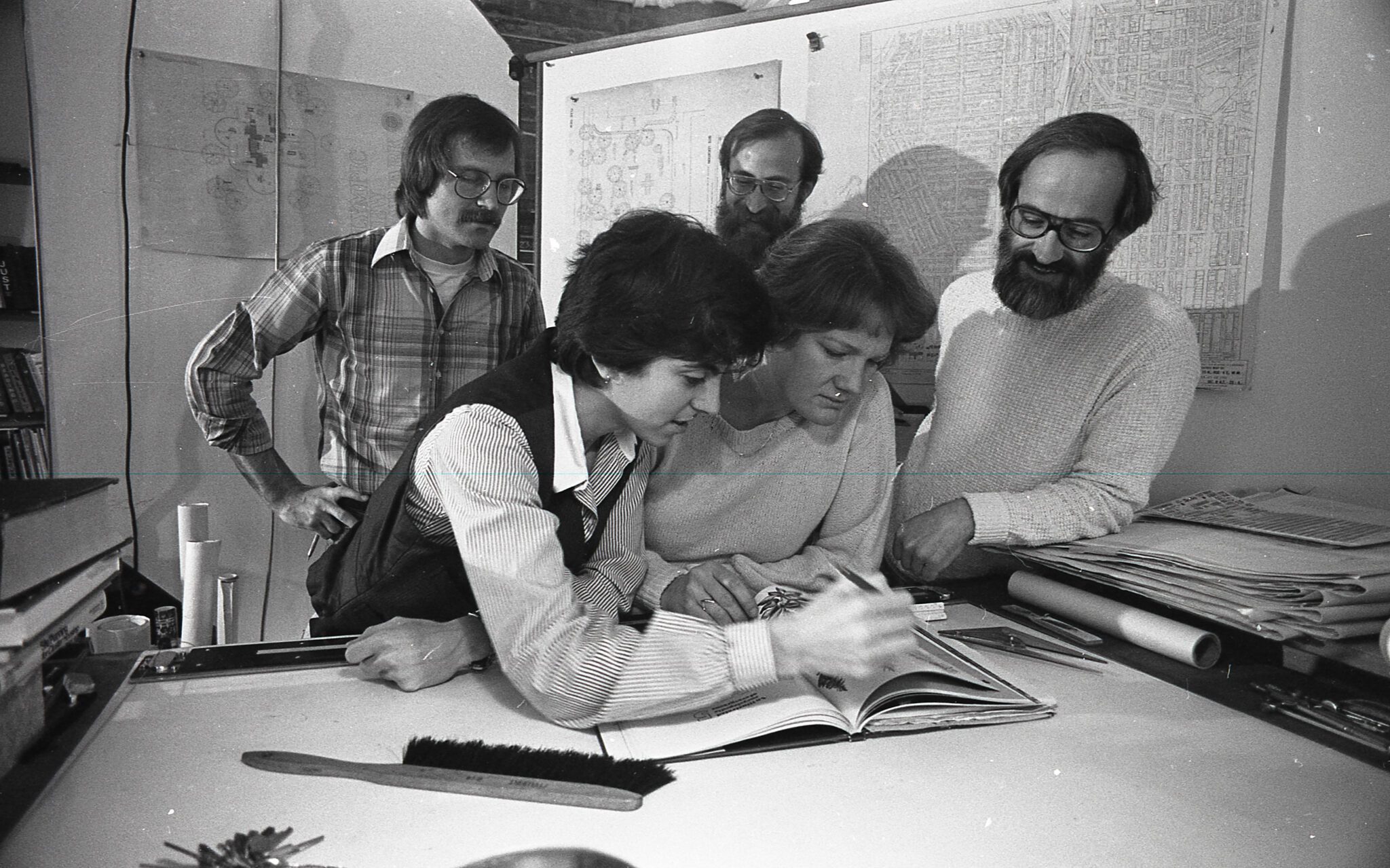
Across Seattle, neighbors were not just reacting to change. They were organizing to shape it. Long before the Department of Neighborhoods formalized programs to support community-led projects, residents were modeling what it meant to claim space, preserve what mattered, and build something better together. Fire Station 7 is one of those stories.
At the time, national voices were challenging professionals to act. In 1968, civil rights leader Whitney M. Young addressed the American Institute of Architects and criticized the profession’s “thunderous silence” in the face of urban inequality. He urged architects to take responsibility for the social consequences of the built environment. Soon after, Senator Gaylord Nelson’s call for a nationwide Earth Day inspired citizens, especially students, to see environmental protection and civic engagement as shared responsibilities.
Those calls to action resonated with a small group of University of Washington students and professors in the departments of architecture and urban design and planning. They discussed how they could harness their skills to serve neighborhoods directly and create meaningful social change.
With the University’s support, they established a design resource for the neighborhood, providing environmentally responsible planning and design assistance and equipping communities with information and tools to shape their own development.
On April 22, 1970, the first Earth Day, they formally founded Environmental Works.
Fire Station 7
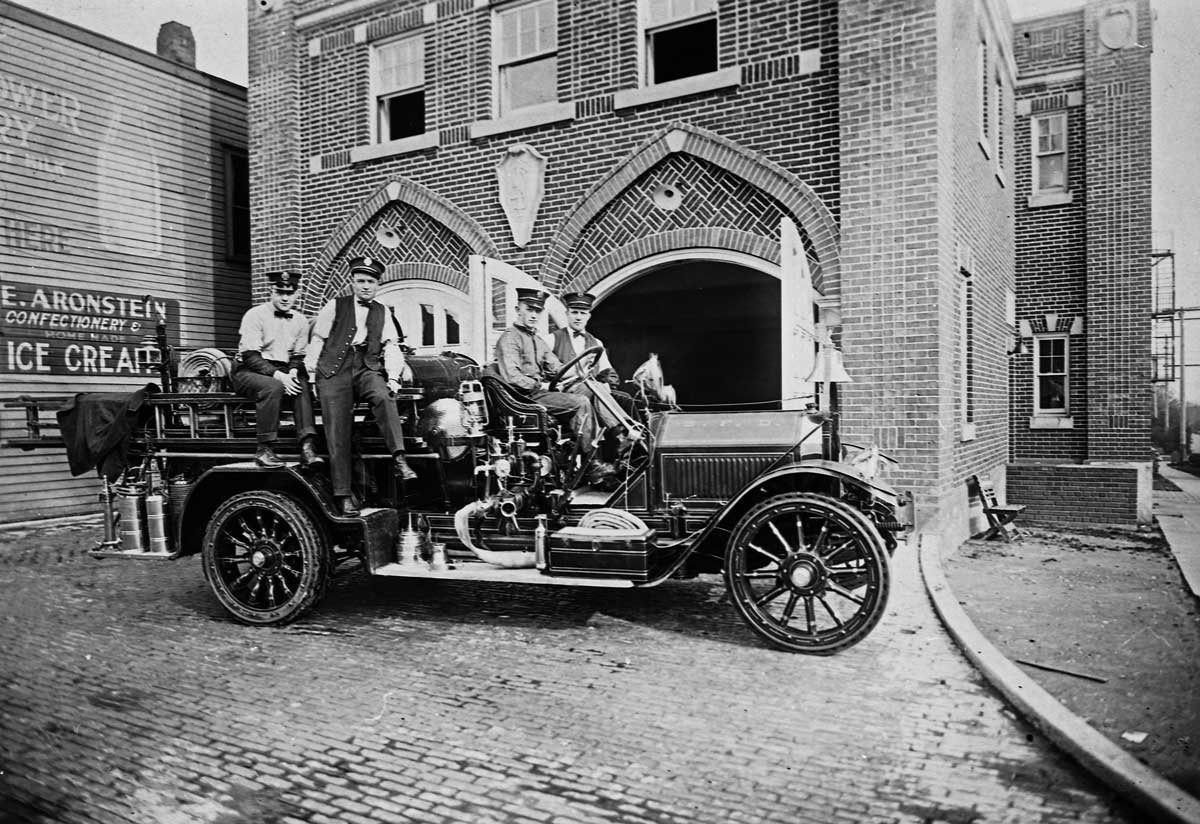
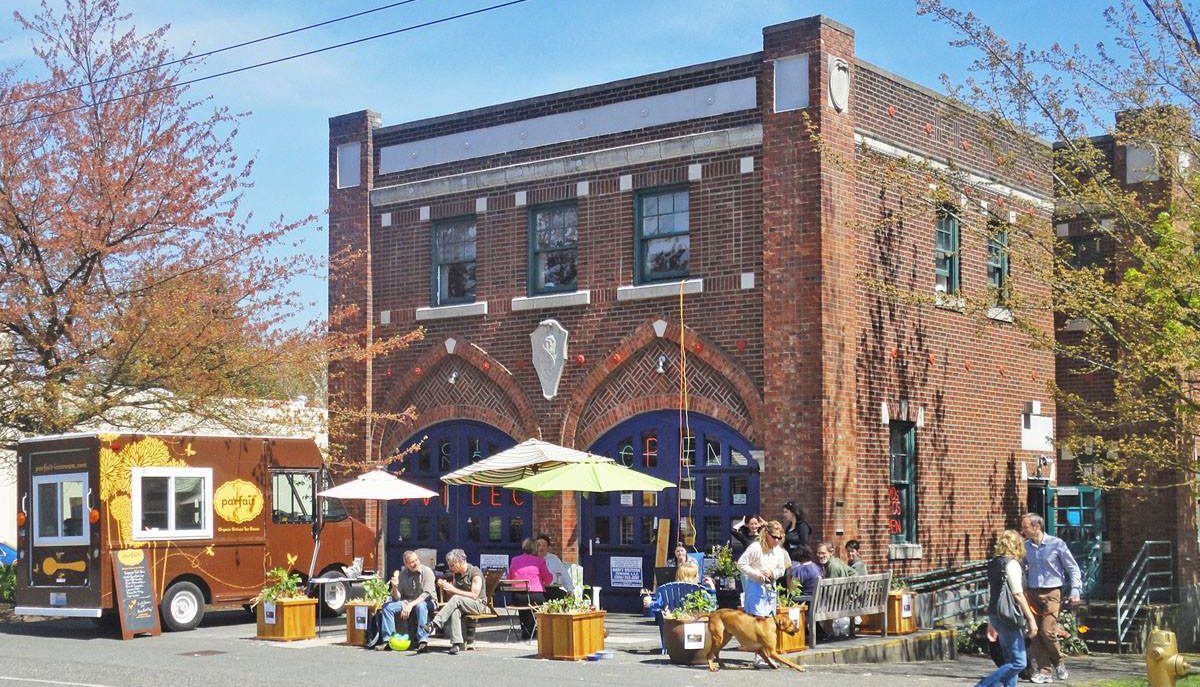
At the time, the City of Seattle was replacing several aging fire stations. Fire Station 7 on Capitol Hill, a 1920 brick building at 15th Avenue E and E. Harrison Street, had been decommissioned and declared surplus. With possible demolition in the building’s future, the neighboring grocery store looked to purchase the site to expand its parking lot.
In December of 1970, Environmental Works was hired by the City to evaluate several of the decommissioned fire stations, including Fire Station 7. While assessing the historic building they decided not to give the keys back. It felt like the perfect space to build their vision for a community-centered design firm. The fire station was more than brick and mortar. It was a civic anchor in a growing neighborhood, and they weren’t going to let it be demolished without a fight.
They immediately got to work, pulling out lockers and debris left behind by the fire department. They filled the fire pole openings, repaired damaged areas, and dug out oil-soaked soil from the backyard. Donated dirt, railroad ties, and plants created an intentionally modest and accessible outdoor space. The garden became a welcoming place for rest, gathering, and informal community use.
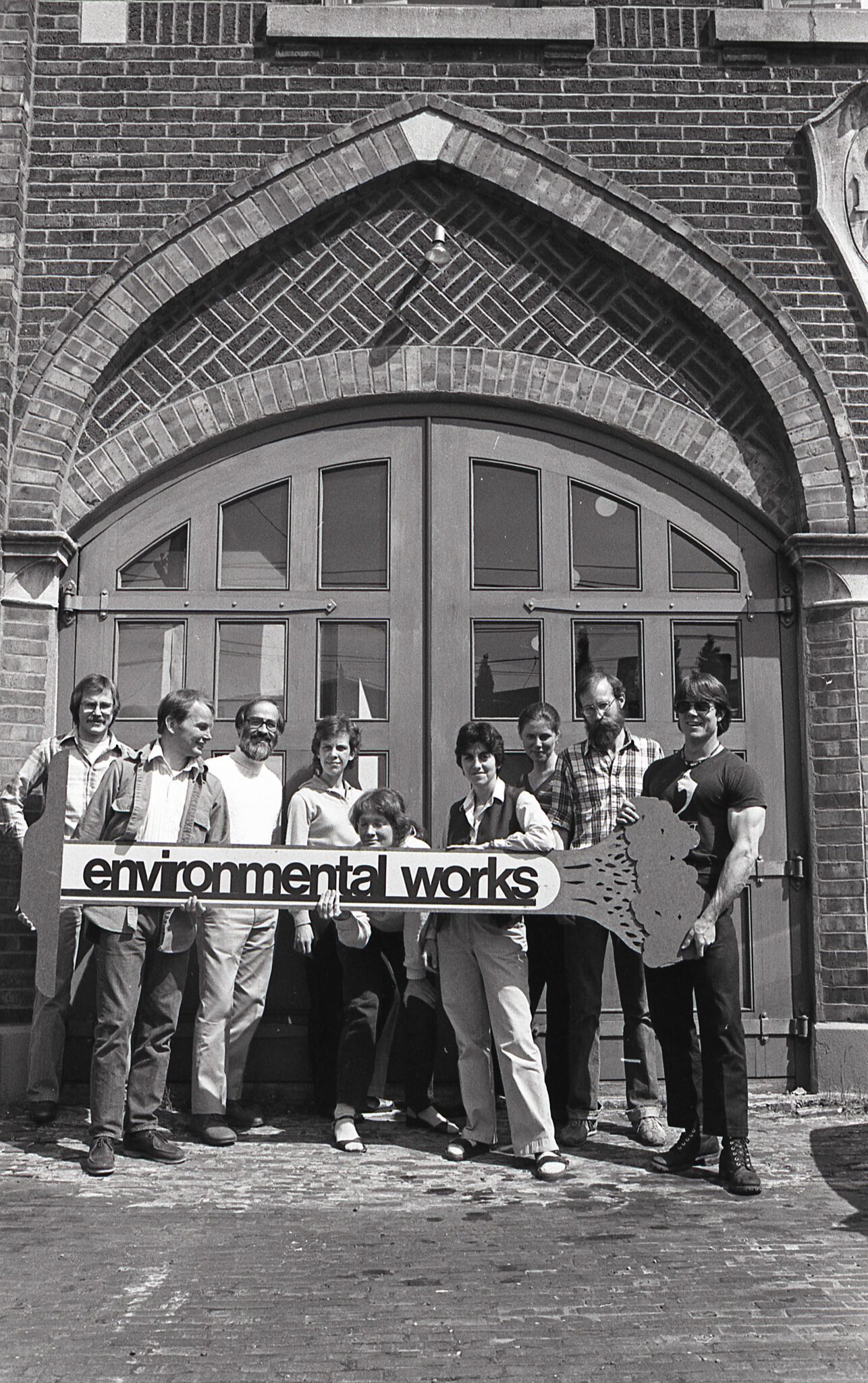
People took notice. The Mayor’s office didn’t evict them, but City staff and neighbors were initially wary of the “long-haired young people” working late into the night. Several of Environmental Works earliest staff members came through the national VISTA volunteer program, an alternative service path for conscientious objectors during the Vietnam War. Founders Dale Miller and Larry Goetz later recalled a request to meet with a City Councilmember. They were told they could remain as long as they didn’t stage any protests there or come down and throw rocks at the City Council building.
The group was decidedly difficult to dismiss. Backed by connections to the University of Washington, the American Institute of Architects, and community leaders, they demonstrated day after day that they could restore and activate the space responsibly. They were proving that they could make positive things happen.
Earthstation 7!
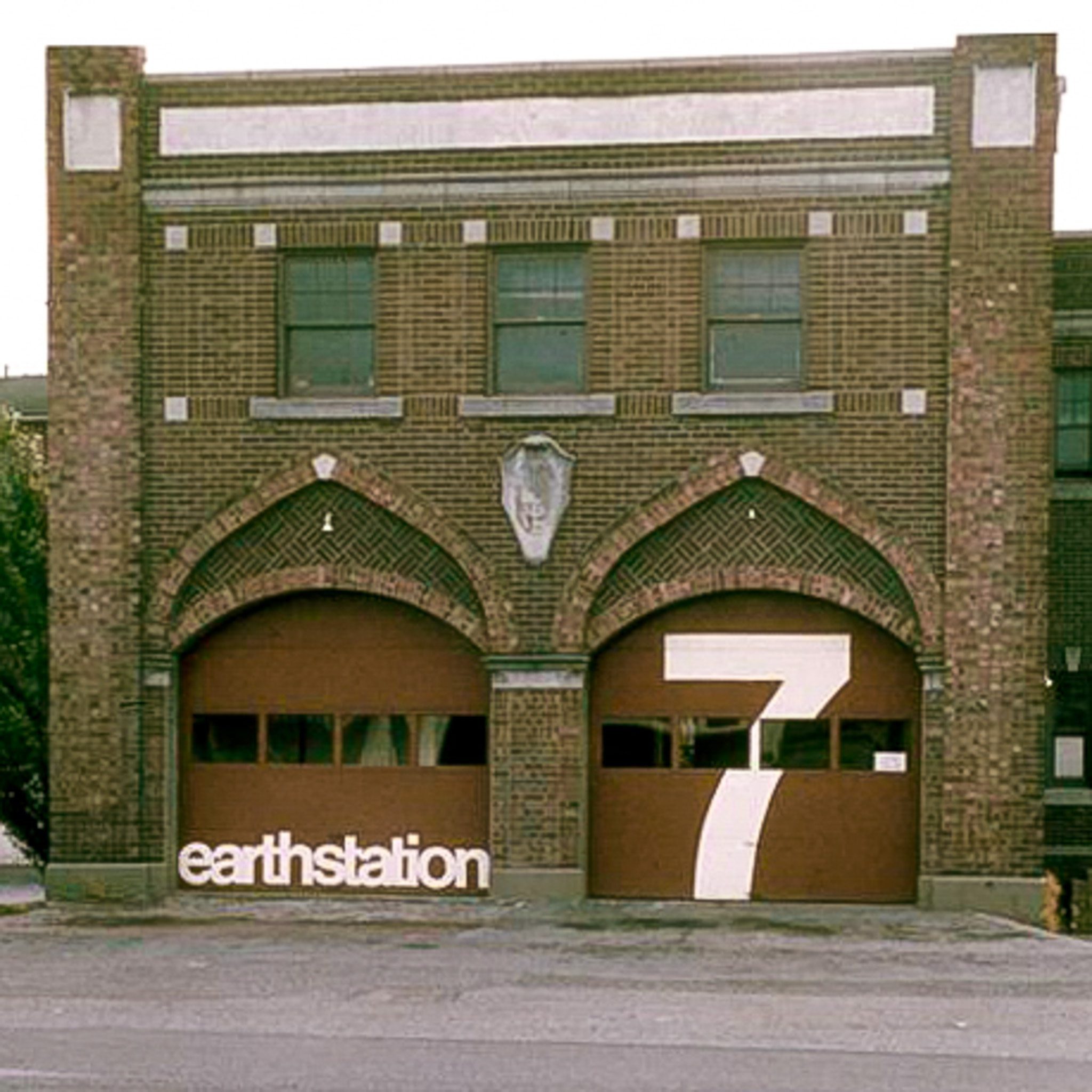
As the building became usable, Environmental Works invited other grassroots initiatives to share the space. Nicknamed “Earthstation 7,” the fire station became home to Country Doctor, Capitol Hill Housing (later re-named Community Roots Housing), Darlene Rundberg’s early P-Patch organizing efforts, Project Accomplish, and other emerging neighborhood groups. What had been an empty civic building was now in daily use.
Environmental Works partnered with communities across the city to design playgrounds and parks, support small businesses, plan community spaces, develop environmental education curriculums for Seattle youth, and launch one of Seattle’s earliest recycling efforts. Many ideas that felt radical in 1971 would later become standard civic infrastructure.
With multiple nonprofits operating out of the station and the grocery store continuing to press for the property, the need to formalize residency became urgent. The Capitol Hill Community Council, AIA, Institutional partners, neighborhood allies, and the broader community helped petition the city to save Fire Station 7 from destruction and retain it for community use.
On January 13, 1971, Environmental Works and its fellow non-profits successfully secured a lease from the City at a modest rate of $100 in cash, and $160 in services provided. Even that rate posed challenges for the fledgling groups. What sustained the project was not financial ease but shared commitment.
56 Years of Community Design
Over the decades, Environmental Works expanded from playgrounds, shelters, and education to affordable and supportive housing, health clinics, parks, childcare centers, and community facilities. What didn’t change was the approach: working alongside communities, not over them, and never assuming you know what a neighborhood should want.
Today, Environmental Works is a full community design center that through growth, leadership transitions, and changing funding landscapes, retains its core mission: good design advances social equity and environmental sustainability.
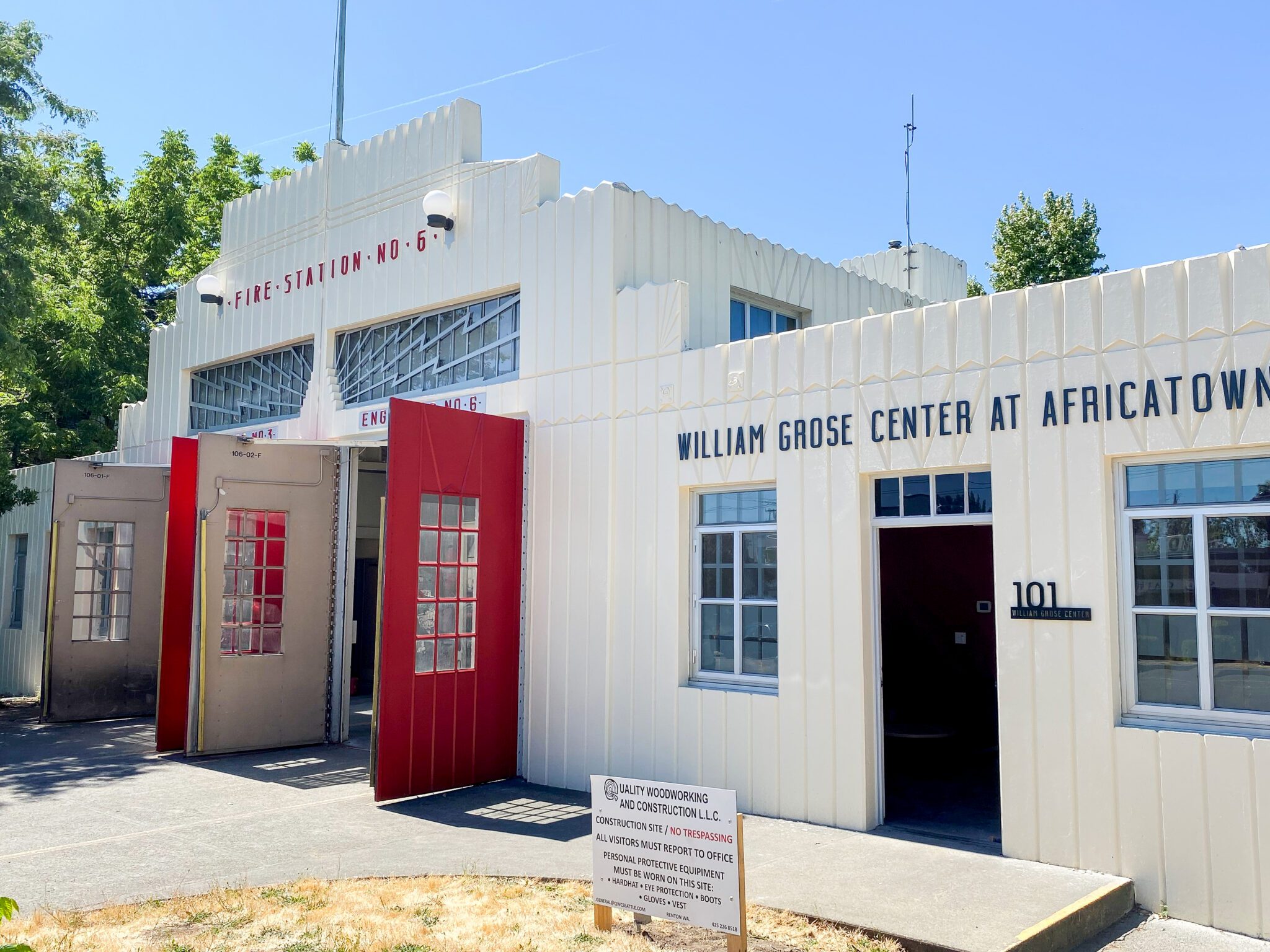
Over 56 years, the organization has supported the preservation and continued use of designated historic landmarks like Georgetown City Hall and historic Fire Station 6 – The William Grose Center, and contributed to many important cultural and community hubs in the region like El Centro de la Raza and Beacon Hill Food Forest. Along the way, it has designed thousands of affordable housing units, childcare classrooms, food banks, shelters, senior centers, and other spaces that support daily life.
Currently, Environmental Works is creating permanent supportive housing in Redmond, renovating the historic Firestation 26 in South Park, and facilitating the design and build of a food bank and affordable housing on Orcas Island. Each project begins the same way it did in 1970: by listening.
Fire Station 7 is still standing because people decided it mattered. As founding member Brad Collins reflected:
“Fire Station 7 was liberated from planned destruction and abandonment and given back to the community for needed self-help programs and social consciousness.”
The preservation of this fire station was not inevitable. It happened because people cared enough to act.
It is fitting that Environmental Works was founded on Earth Day. In 1970, Earth Day asked people to take responsibility for the places they lived, and fifty-six years later, that responsibility feels as urgent as ever. Climate change, housing affordability, and social division challenge our cities and citizens in new ways. The lesson of Fire Station 7 still holds true: When neighbors organize, when public partners listen, and when professionals commit their skills to the common good, we can redirect the future of a place. Much like the Seattle Department of Neighborhoods, Environmental Works was built on a foundational belief that neighborhoods are strongest when people have the tools, knowledge, and physical spaces to shape their own futures.
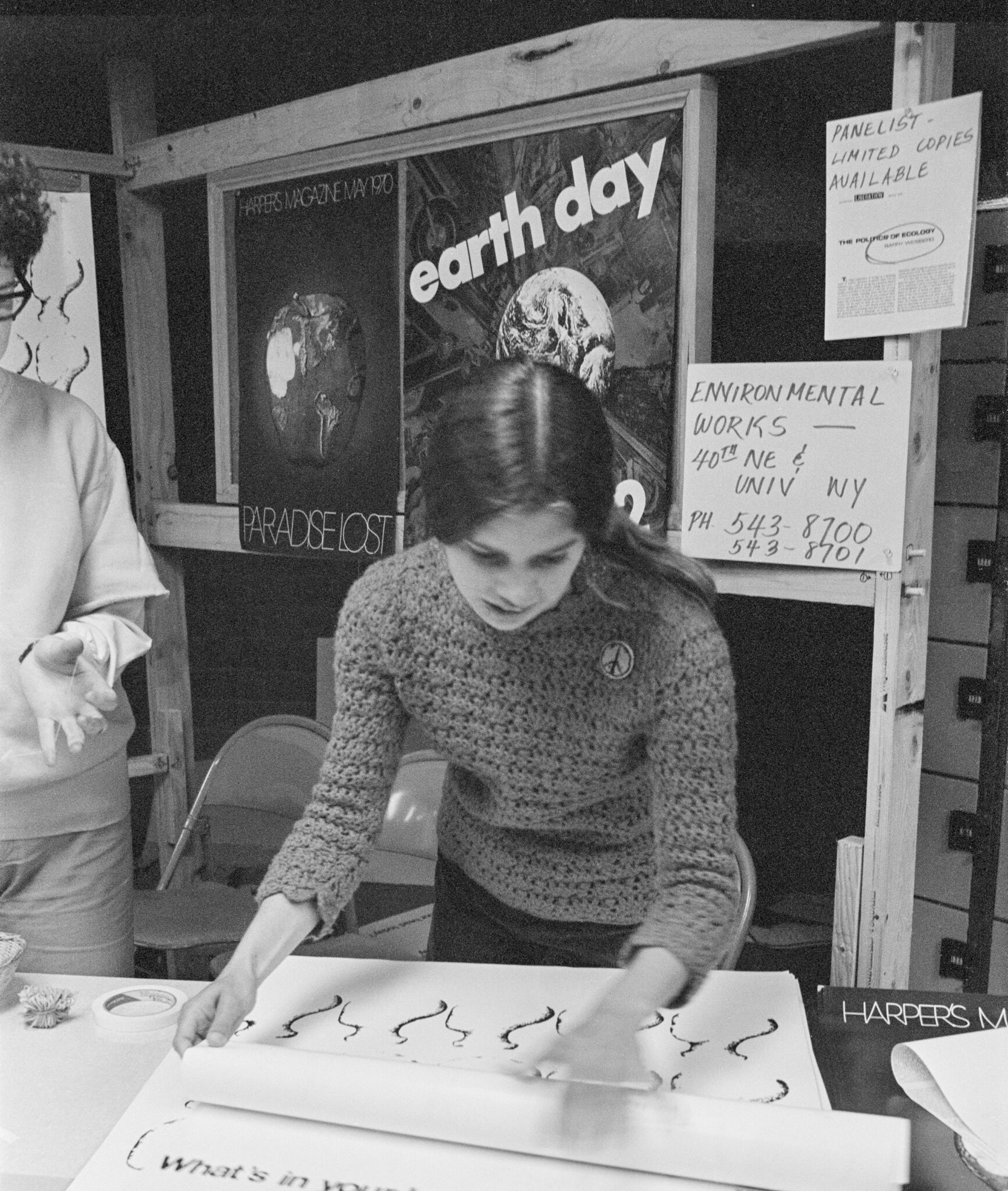
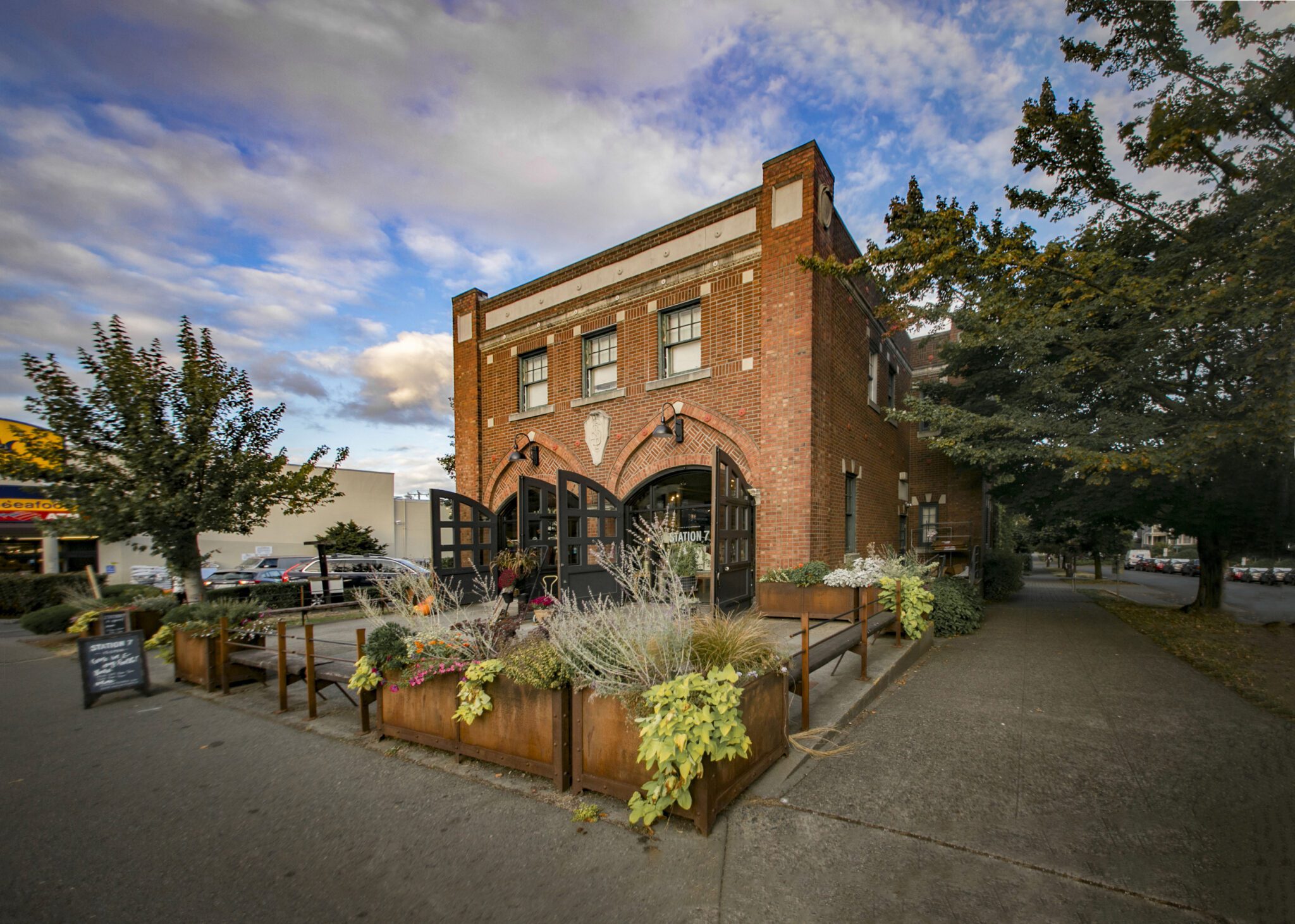
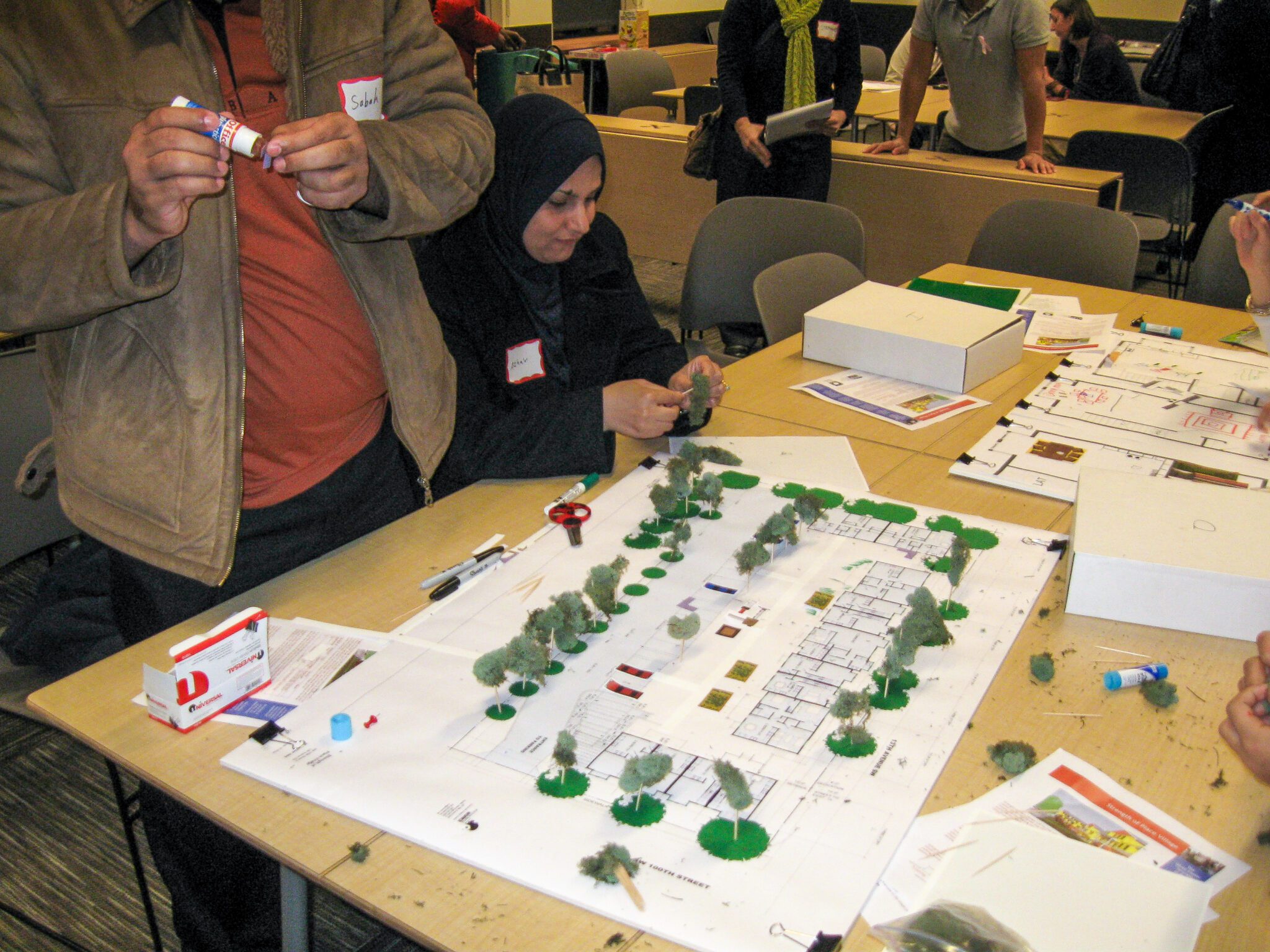
Fire Station 7 stands as proof that when communities organize, buildings can be saved, history can be preserved, public land can remain public, and design can serve the common good.
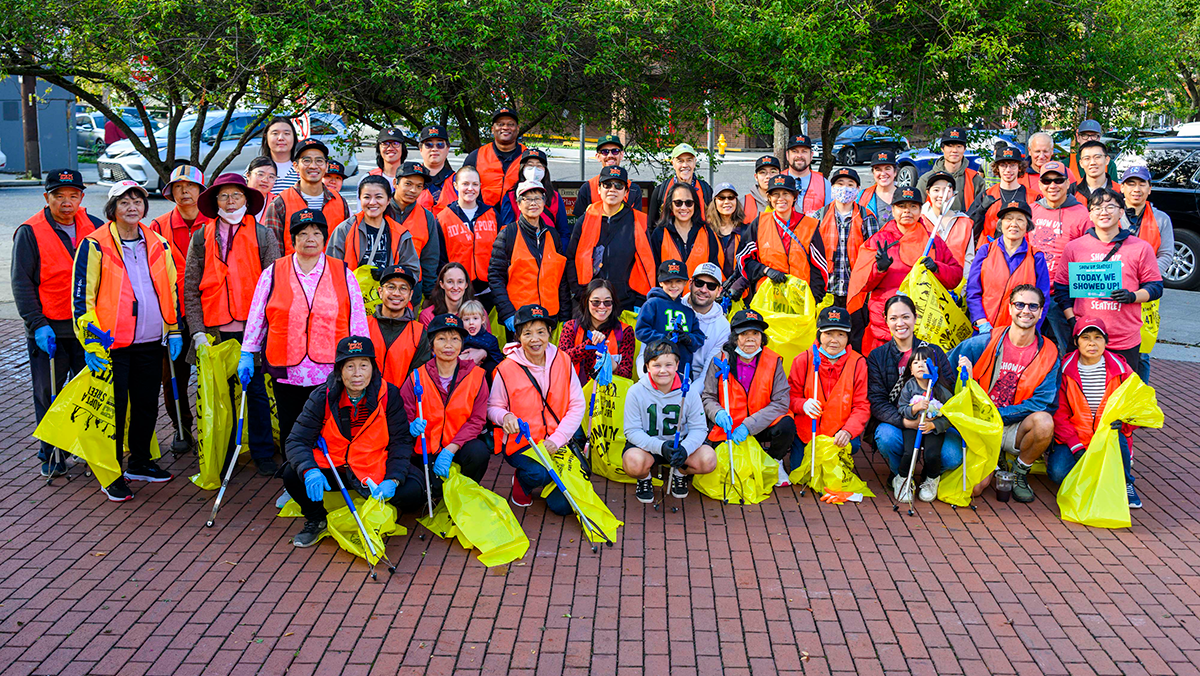
On Earth Day once again, we celebrate not only 56 years of Environmental Works, but also the enduring power of community action and the simple idea that architecture, at its best, belongs to the people.
To learn more about Environmental Works visit www.eworks.org/