By Tracey Thompson
The High Point Housing Projects were built in 1942 to accommodate military personnel and workers who migrated from the South in search of better opportunities. Over time, High Point became one of Seattle’s quiet strongholds of Black life, shaped by families who arrived during the Great Migration and put down roots in a city that often overlooked them. That is how my parents came to the Pacific Northwest.
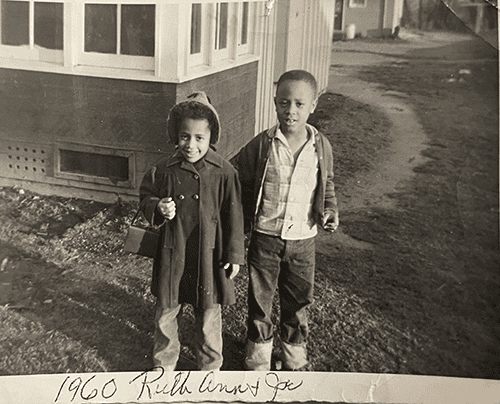
Their journey began in San Antonio, Texas, in 1963. My father, who was in the military at the time, wanted to leave the South and his large extended family in search of new adventures, peace, and tranquility. He chose Seattle because of the plentiful work opportunities. During this time, Boeing, Todd Shipyard, and Bethlehem Steel were hiring and paying family wages. Like many Black families seeking stability and dignity, my parents followed the promise of work and a chance to build something lasting.
They arrived in Seattle with two small children, and four more would follow. They moved into the High Point Housing Projects and settled into raising their family. Though they didn’t know it at the time, this place would give us more than we could ever imagine. High Point was more than just a place to live. It was a support system for a young Black family in a new city; a place to cultivate lifelong relationships and experiences; it was community.
To understand High Point Housing Projects, you need a clear vision of how large it was. It was located on 120 acres of land and, at its peak, housed over 4,500 residents in duplex-style homes. Some units were two story duplexes and others were single-family attached units with spacious yards, perfect for large gardens, hanging clotheslines, and a place for us children to build elaborate tents and fortresses. These outdoor spaces became sites of exploration, creativity, and connection at a time when redlining did not make room for Black families in many neighborhoods.
The architectural layout of High Point was unique. It was designed to house large families as well as individuals like senior citizens or those with disabilities. The size of your family determined where in High Point you lived. “The Hill” was located at the highest point in Seattle, 513 feet above sea level, and had units for families of six or more. These units were two-story duplexes, with front and back doors, two bathrooms, at least four bedrooms, a dining area, and two living rooms, which most people used as an extra bedroom. This was where the real large families lived.
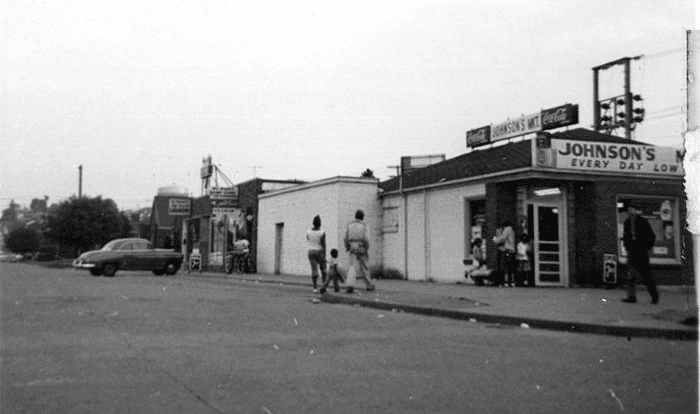
High Point was a city within a city. It had its own post office, drugstore, and grocery store. Safeway moved in later but didn’t last long due to excessive shoplifting by residents – or so they claimed. For years, the only store to serve High Point residents was Johnson’s, a mom-and-pop shop that extended credit to residents and served as a gathering place for the regulars to discuss daily events. To this day, if you want to separate the old timers from the newbies, just mention Johnson’s. If a person automatically identities it as “the store,” you know they were around before the 1980s.
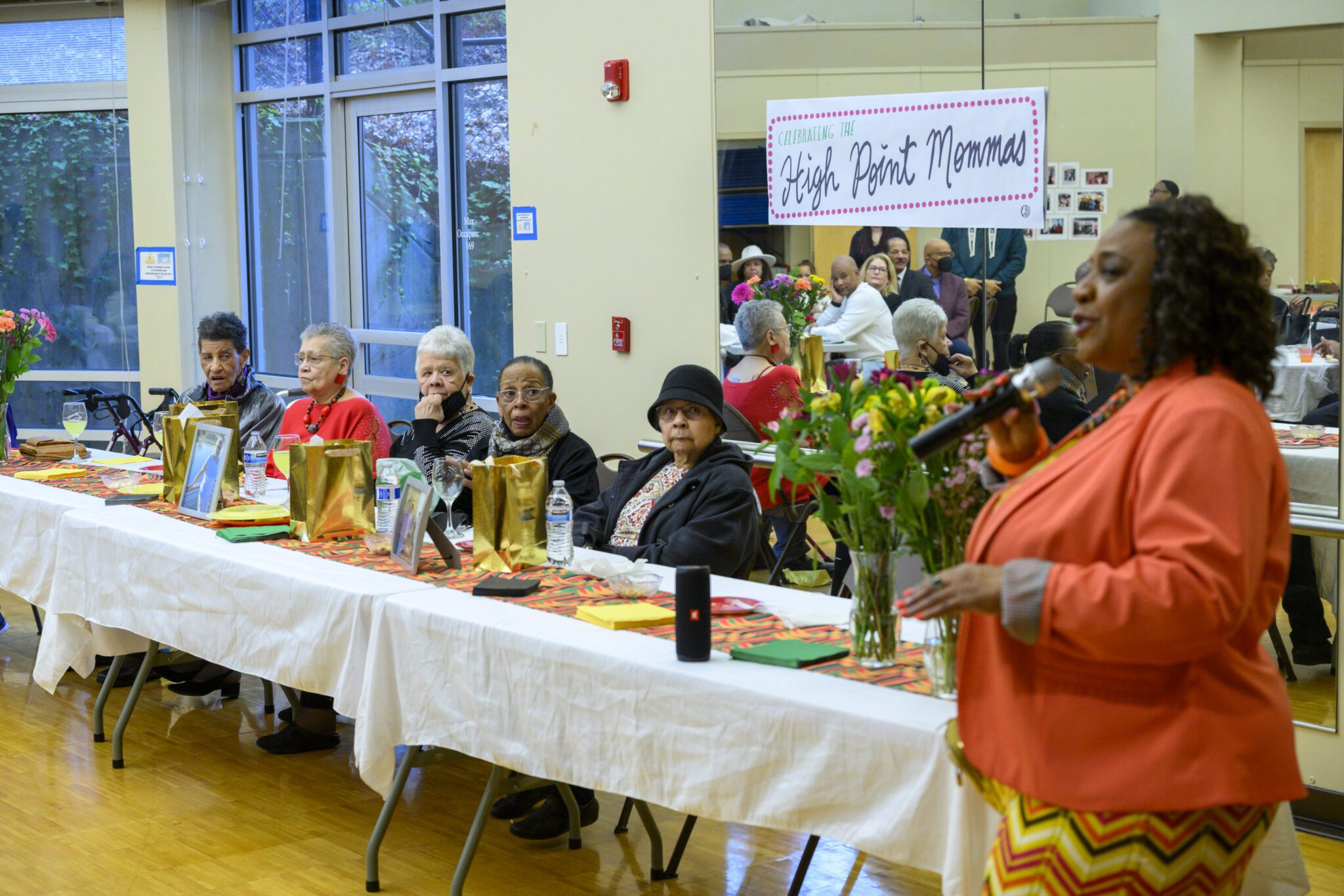
Like so many communities, the glue of Old High Point was a group of women. Known as the High Point Mommas, these were the women who lived and raised children in the High Point Housing Projects from the 1950s through the 2000s. They provided a foundation of strength, support, and advocacy for everyone. These amazing women came from all walks of life and traveled many different roads on their journey to High Point. Some came from the South, places like Louisiana and Texas, and others from closers regions like the Tri-Cities. What they shared was a deep commitment to their families and a determination to build safety, stability, and opportunity for their children.
Through their love and discipline, these women transformed High Point from a housing project into a thriving community. In doing so, they created a legacy of care, resistance, and belonging that deserves to be remembered as part of Seattle’s Black history.
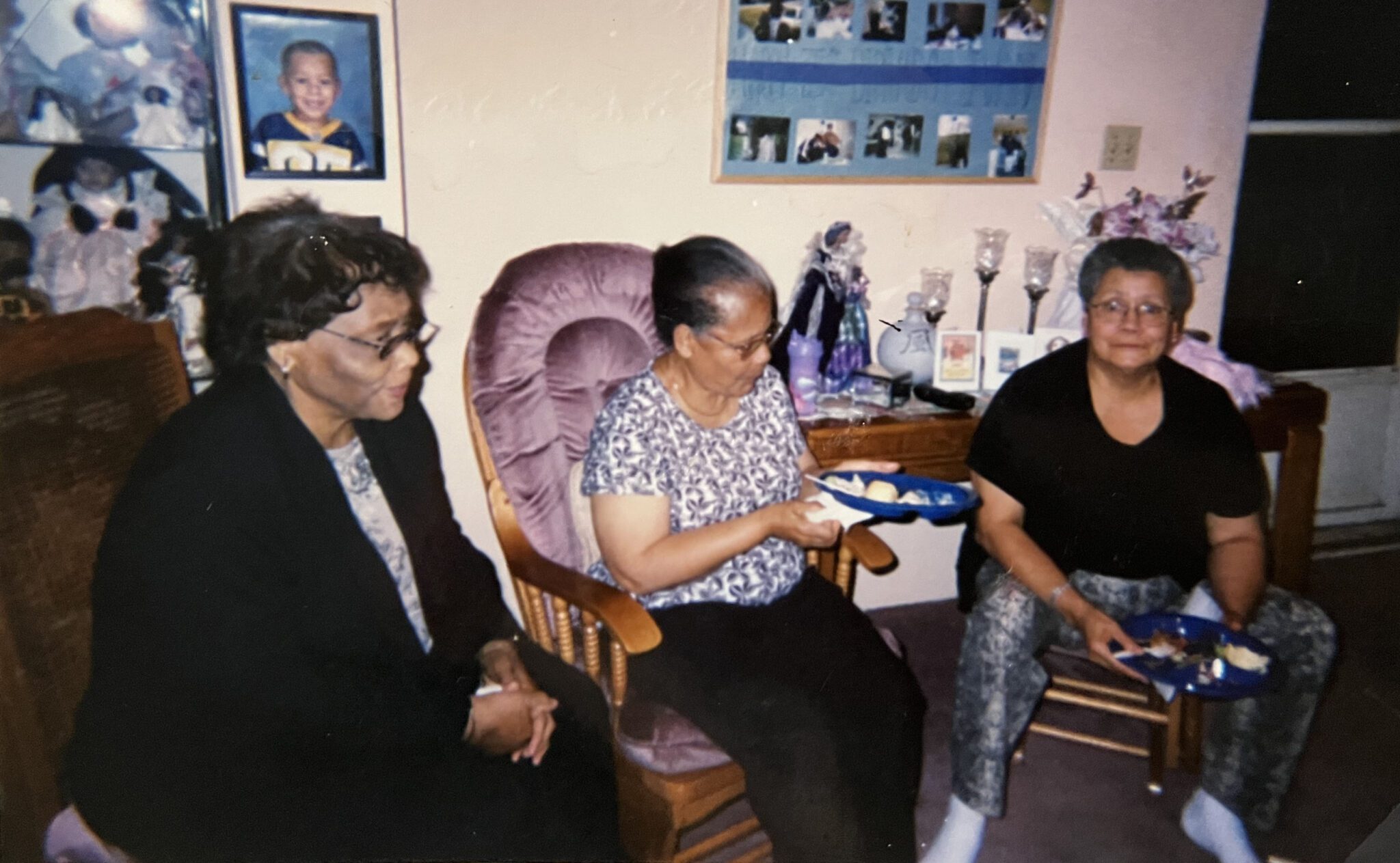
A healthy, thriving community consists of people who share the same values. The High Point Mommas intuitively understood this. They knew the importance of meeting basic needs, offering emotional support, and using their collective voice to challenge oppressive systems. I watched the High Point Mommas take on large institutions like the Seattle Police Department, Seattle Housing Authority, Seattle Public Schools, and more. Through courage and unity, they contested police harassment, fought for free and public access to recreation, and challenged racial disparities and institutional racism in education.
And I had a front-row seat to their power.
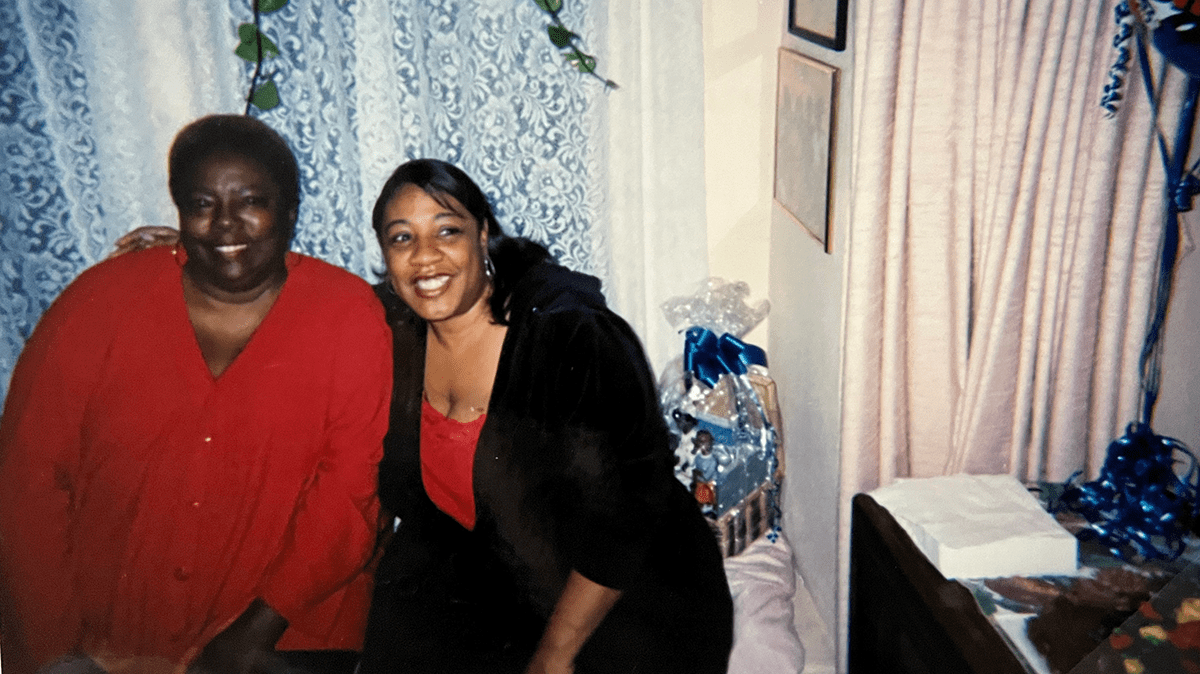
My mother was part of this dynamic crew. She was a beautician who did hair from our kitchen, and our house was “the house.” People from all walks of life came through our front door. Our kitchen became a space for advice, prayer, encouragement, and sometimes chastisement. Believe me, my mother did not mince words. She was fair, kind, compassionate, and also, unwavering when it came to accountability.
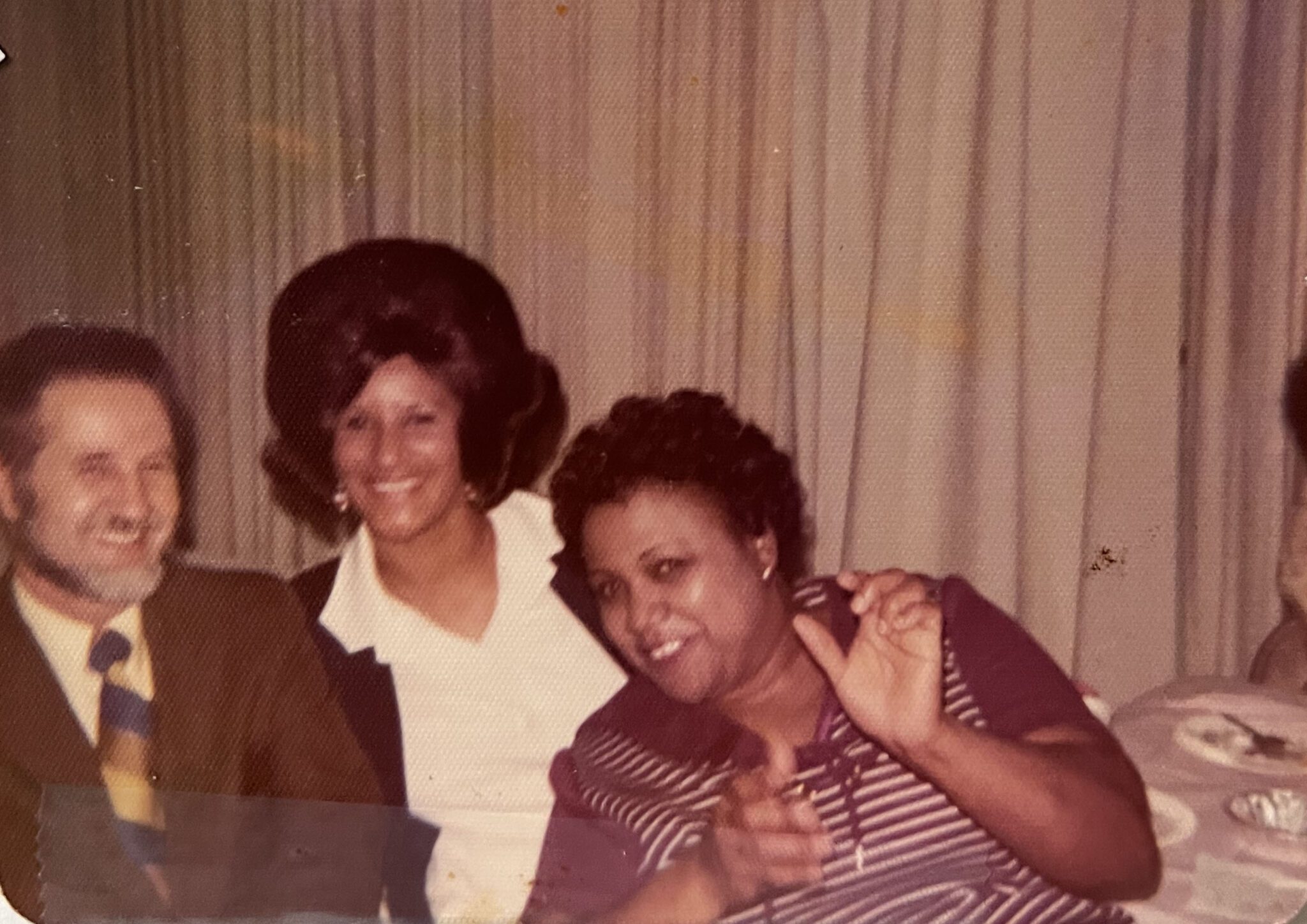
When my mother was diagnosed with colon cancer, the outpouring of support was overwhelming. People came with food, money, gifts, or simply to sit and talk, or clean our house. It has been 35 years since she passed, and her legacy remains strong. It lives on through her children, through the women I have known all my life, and through the generations that followed.
I have always known that my childhood in High Point was special, that it was part of something larger than myself.
Growing up in High Point Housing Projects was a defining experience. I now realize that my career as a social worker began in childhood. While some people are drawn to social work through trauma, my path came from witnessing the power of community, the necessity of speaking up for justice, and the impact of people who refuse to look away from one another.
I am honored to share the stories of the High Point Mommas, in their voices, from interviews I conducted with some of those who are still with us. Their lives remind us that Black history is not only found in famous names or major movements, but in kitchens, front yards, neighborhoods, and communities that held each other up when no one else would.
Stay tuned to hear the High Point Mommas reminisce about their friendship, advocacy, and community they built in the High Point Housing Projects.