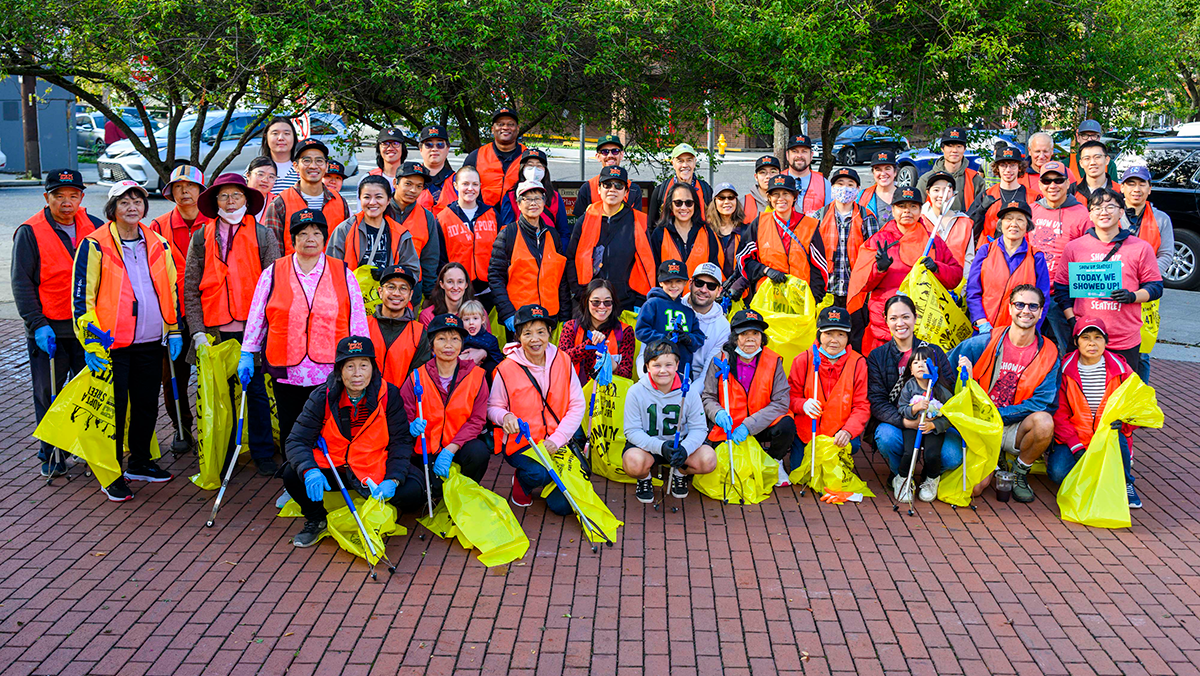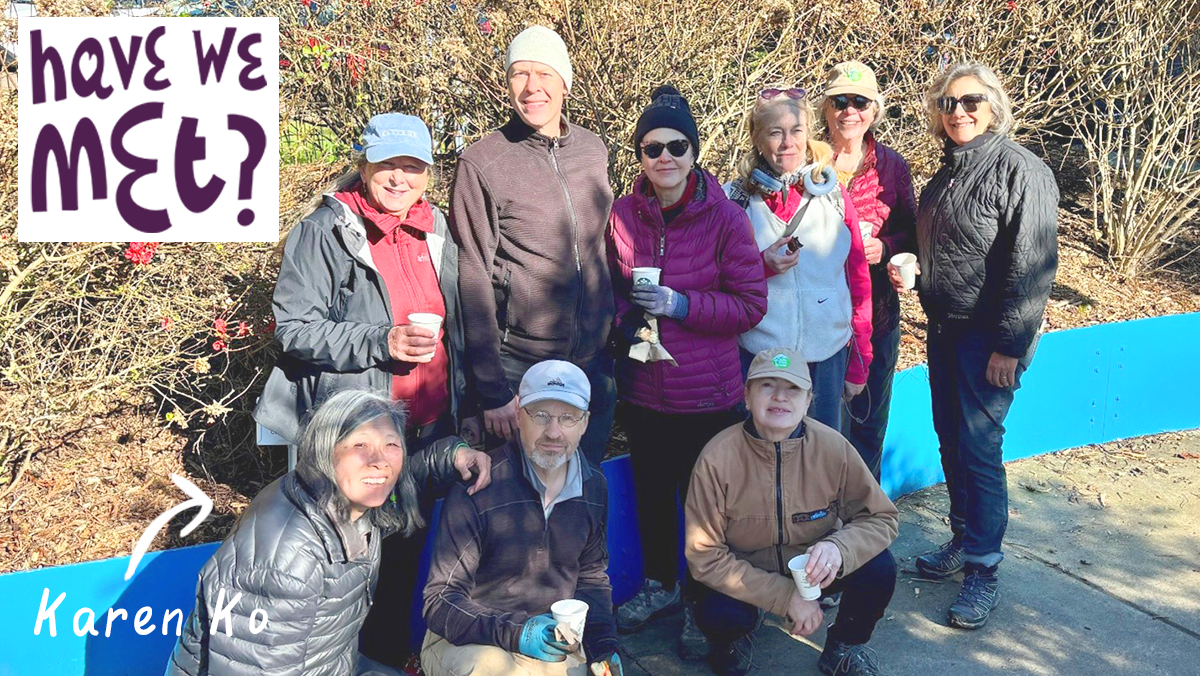
Have We Met? is a special storytelling series celebrating the 35th Anniversary of the Seattle Department of Neighborhoods. Throughout the next 365 days, we’re introducing the people who help shape Seattle’s neighborhoods every day; gardeners, volunteers, organizers, advocates, artists, leaders, City staff, and neighbors who care deeply about their communities. These short conversations offer a glimpse into the lives, passions, and places that embody our work and make Seattle feel like home.
We connected with Karen Ko, a Lions Club member and coordinator for the Seattle Sensory Garden, a project supported by the Neighborhood Matching Fund to learn about the origins of the garden, how Small Sparks grants aided the process, and why community-led projects are so important right now.
Can you tell us a bit about your project, Seattle Sensory Garden, and how it came about?
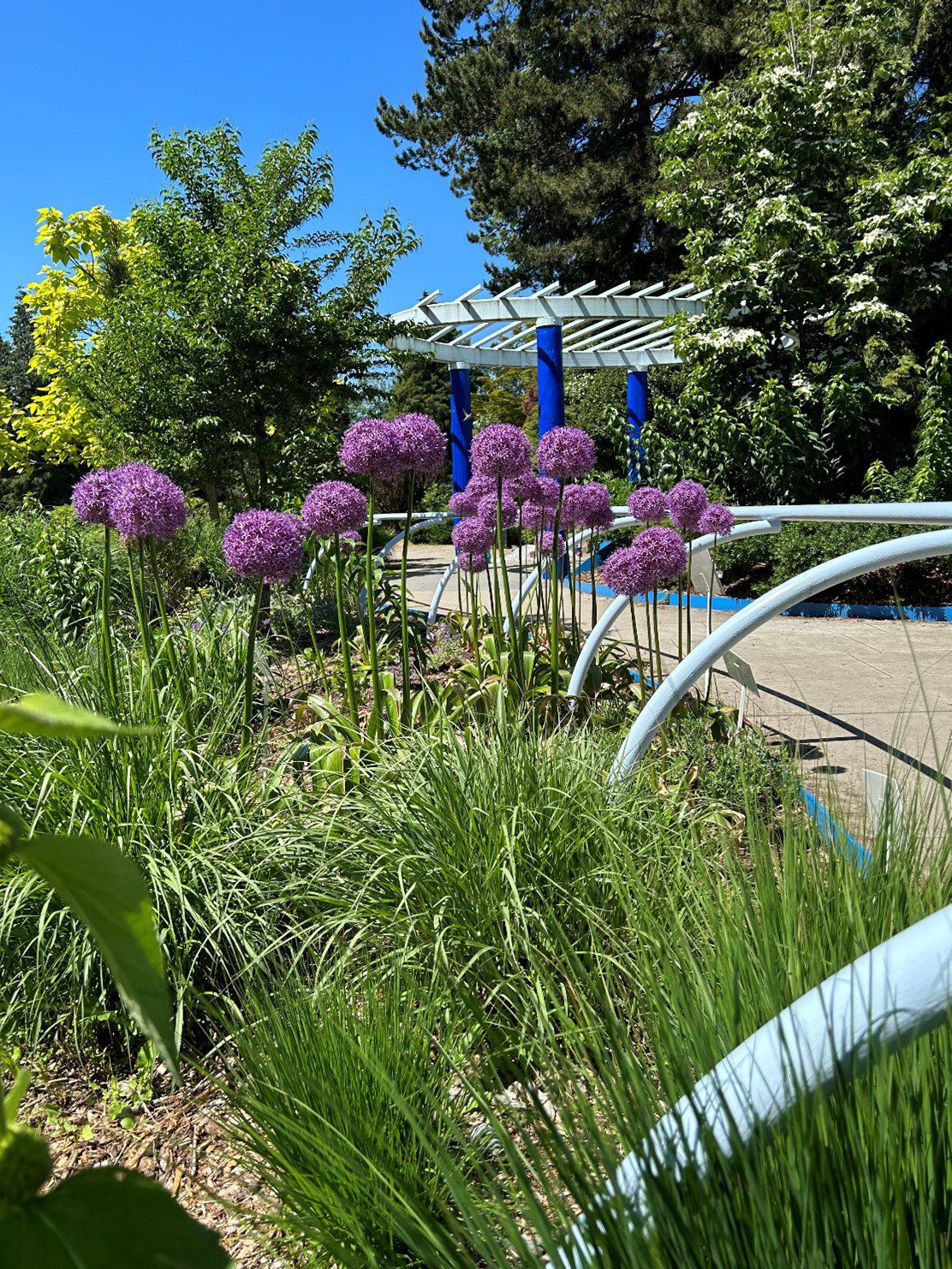
In 1922, Seattle Lions and the Seattle Rose Society built the Rose Garden next door to the Woodland Park Zoo. Two years later, Helen Keller addressed the the International Convention of Lions, challenging them to become “Knights of the Blind.” This became their mission. When the zoo was celebrating its refurbishment of features in the Rose Garden, they invited Lions representatives to the party. Lions’ interest was piqued to add something more to the garden. We asked, “How about a Sensory Garden?” The Zoo said no, because the Rose Garden needed to retain its structure, and design, but “you can use the adjacent perimeter ground!” And so, the Sensory Garden was born. Applying for a Small and Simple grant allowed the group to contract a landscape architect to design a garden. Additionally, a Parks Opportunity Fund grant covered construction and development of the heart of the garden.
Why was this project important to your neighborhood and how did neighbors come together to make it happen?

Lions Clubs International motto is “We Serve”. Building a sensory garden is a project that fits with this mission and brings beauty and a blooming, green space for everyone who visits. Lions members are always seeking ways to serve the community.
During the public design meetings, the steering committee intentionally invited people with disabilities to weigh in on the garden design. Neighbors who regularly visited the zoo or the Rose Garden were interested in seeing what this project would look like. Some people got involved on a regular basis and still help today.
How did funding from the Neighborhood Matching Fund support the Sensory Garden?

The Neighborhood Matching Fund (NMF) is markedly different from most other grant processes. With NMF, you enter the process with a partner on the inside – someone who wants you to succeed, wants your project to be the best it can be, and is ready and able to help you get there! In total, we’ve received four NMF grants for this project between 2009 and 2024. Through NMF, we were able to develop an accessible design, install signage to enrich visitors’ experience, upgrade the signs for weather resilience and to add braille, and to create “winter interest” by incorporating hundreds of plants that bloom throughout the year to draw visitors during the long winter months when, I think, Seattleites need it most. Additional funding sources supported the building and construction of the garden.
When we first started this project and applied for NMF funding, I expected to wrap it up in a couple of years. It’s been 18 years. Growing gardens is kind of like being a parent; you’re never done.
What did this project teach you about your community and why do you think community-led projects like this are important?
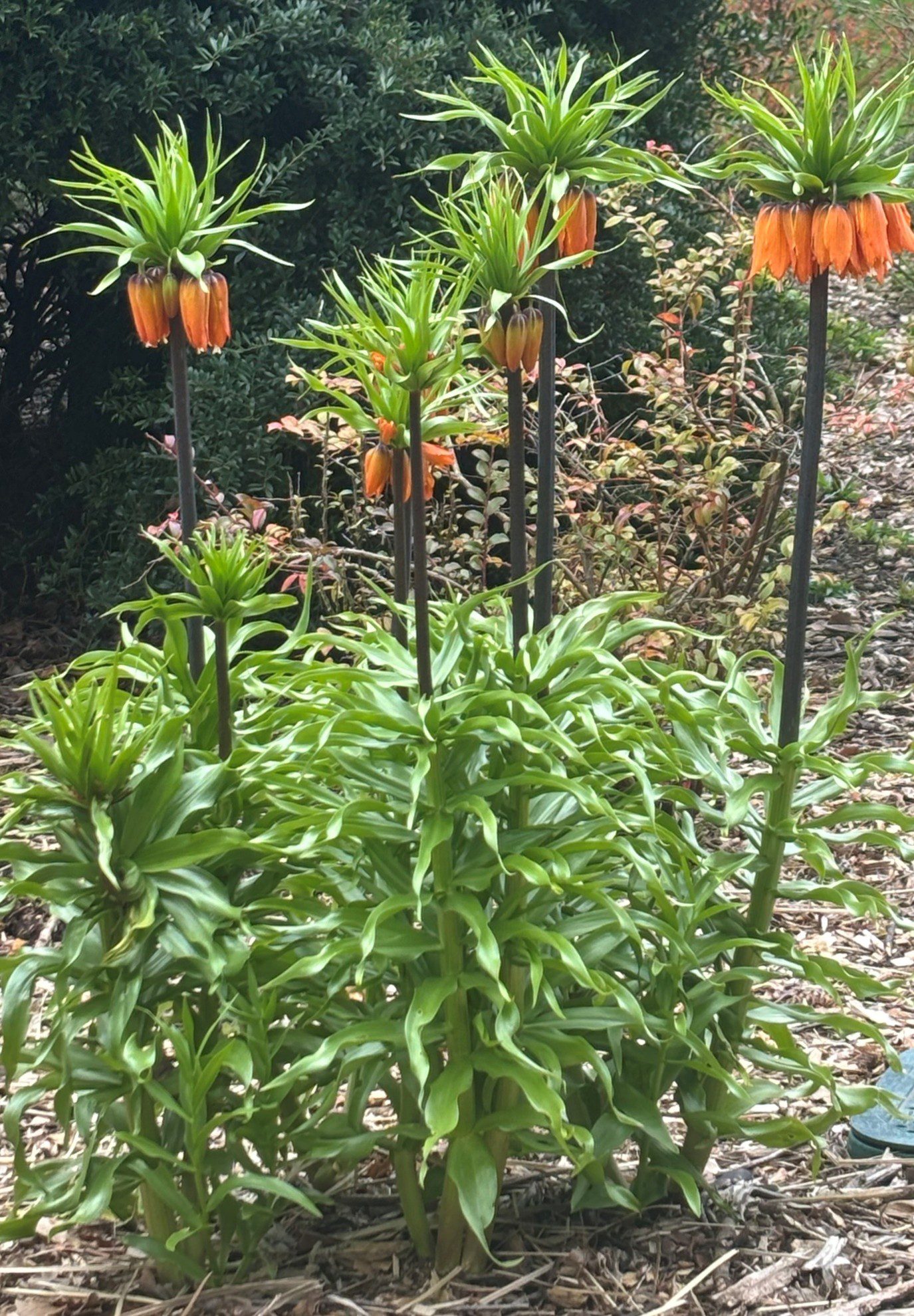
Sometimes, visitors to the garden ask how they can get involved. We invite them to join us. We have learned that a garden helps dissolve barriers that might have kept people from approaching each other. Age, gender, culture, the color of your skin aren’t as important as your willingness and ability to get down and dirty! Being part of this project has built and nurtured a community of people who come together a couple times a month; work in the dirt; share stories; eat donuts and are part of a living space. Any project that can accomplish that is good for the soul and will help us keep up the good fight.
Personally, the Sensory Garden has calmed me down. It has helped open my eyes to new ways of looking at, listening to, feeling, and being in the world. I’d say that’s huge.
Learn more about the Seattle Sensory Garden: www.seattleparksfoundation.org/project/seattle-sensory-garden/
The Seattle Sensory Garden was supported by Neighborhood Matching Fund Small Sparks Grants, which provides funding of up to $5,000 for quick-turn projects focused on building stronger community connections. Applications for the Small Sparks Fund are open now and accepted on a rolling basis through October 30, 2026, or until funds are depleted. Learn more about the grant and how to apply at: www.seattle.gov/neighborhoods/community-grants/neighborhood-matching-fund