Have We Met? is a special storytelling series celebrating the 35th Anniversary of the Seattle Department of Neighborhoods. Throughout the next 365 days, we’re introducing the people who help shape Seattle’s neighborhoods every day; gardeners, volunteers, organizers, advocates, artists, leaders, City staff, and neighbors who care deeply about their communities. These short conversations offer a glimpse into the lives, passions, and places that embody our work and make Seattle feel like home.
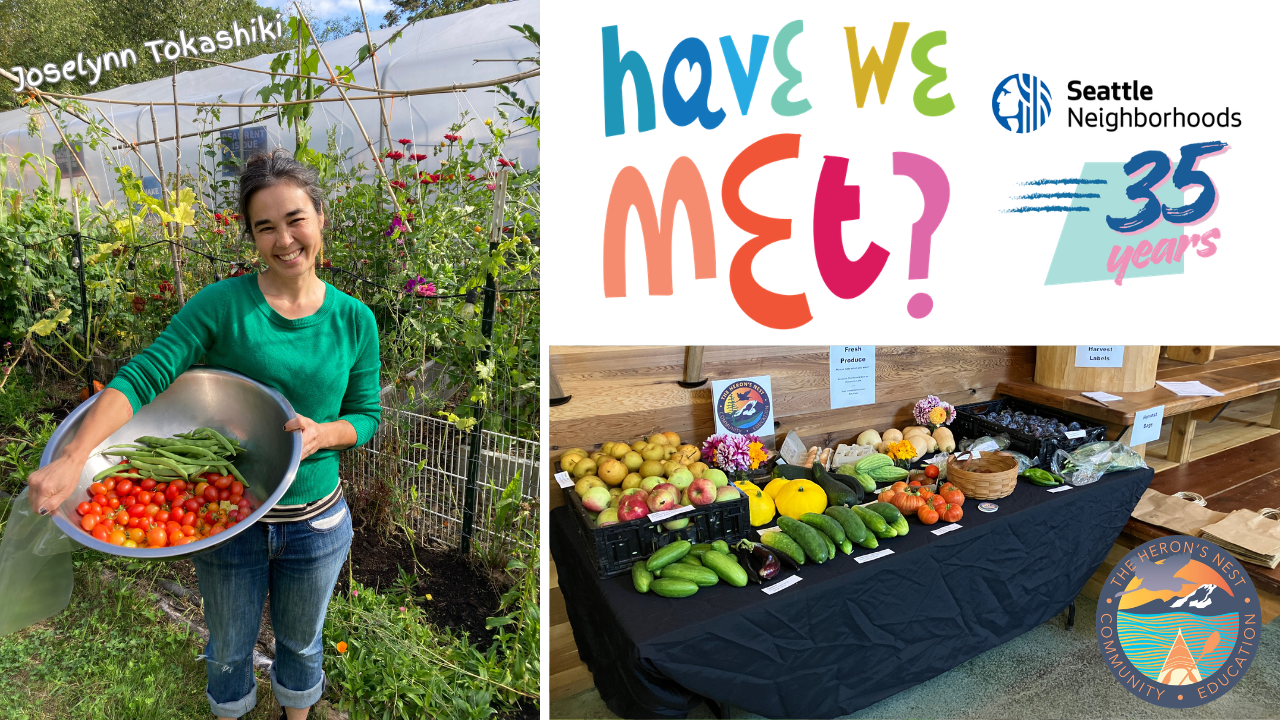
We recently connected with Joselynn Tokashiki, manager of the Heron’s Nest, to learn about the project, how it has been supported by the Food Equity Fund, and the important role food plays in building community and connecting to the land.
About Heron’s Nest
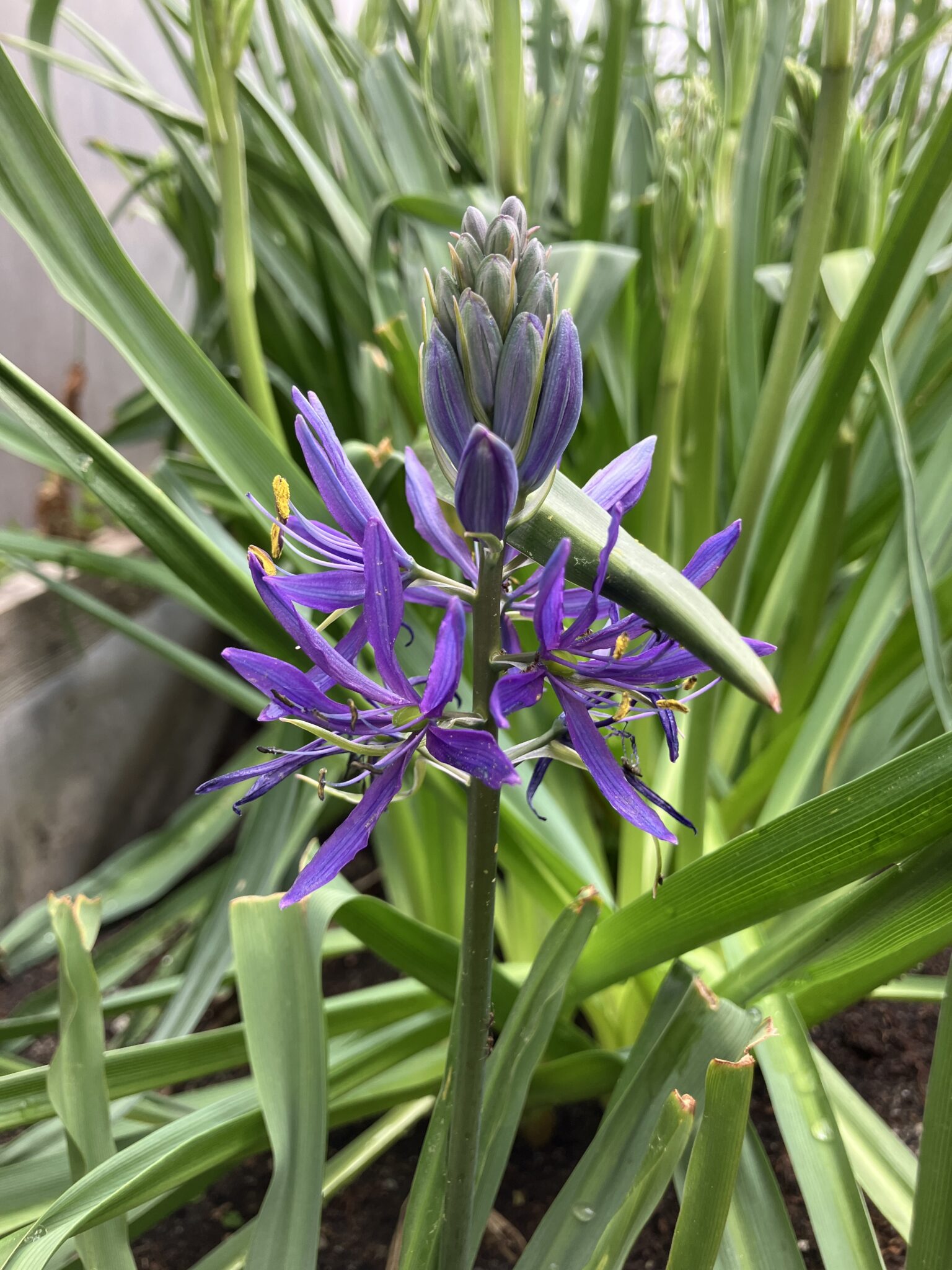
The Heron’s Nest is a 3.56-acre land care project and community hub in the West Duwamish Greenbelt that preserves critical habitat and creates a space where people can come together to share, learn, and grow. The land features an urban farm and forest, greenhouse, and outdoor classroom and establishes a replicable model of community-led land care and sustainable development rooted in Indigenous knowledge and practice. Shared Spaces Foundation is in the process of rematriating Heron’s Nest to the Duwamish Tribe, who will take on full ownership and management.
What inspired you to start or join food equity work?
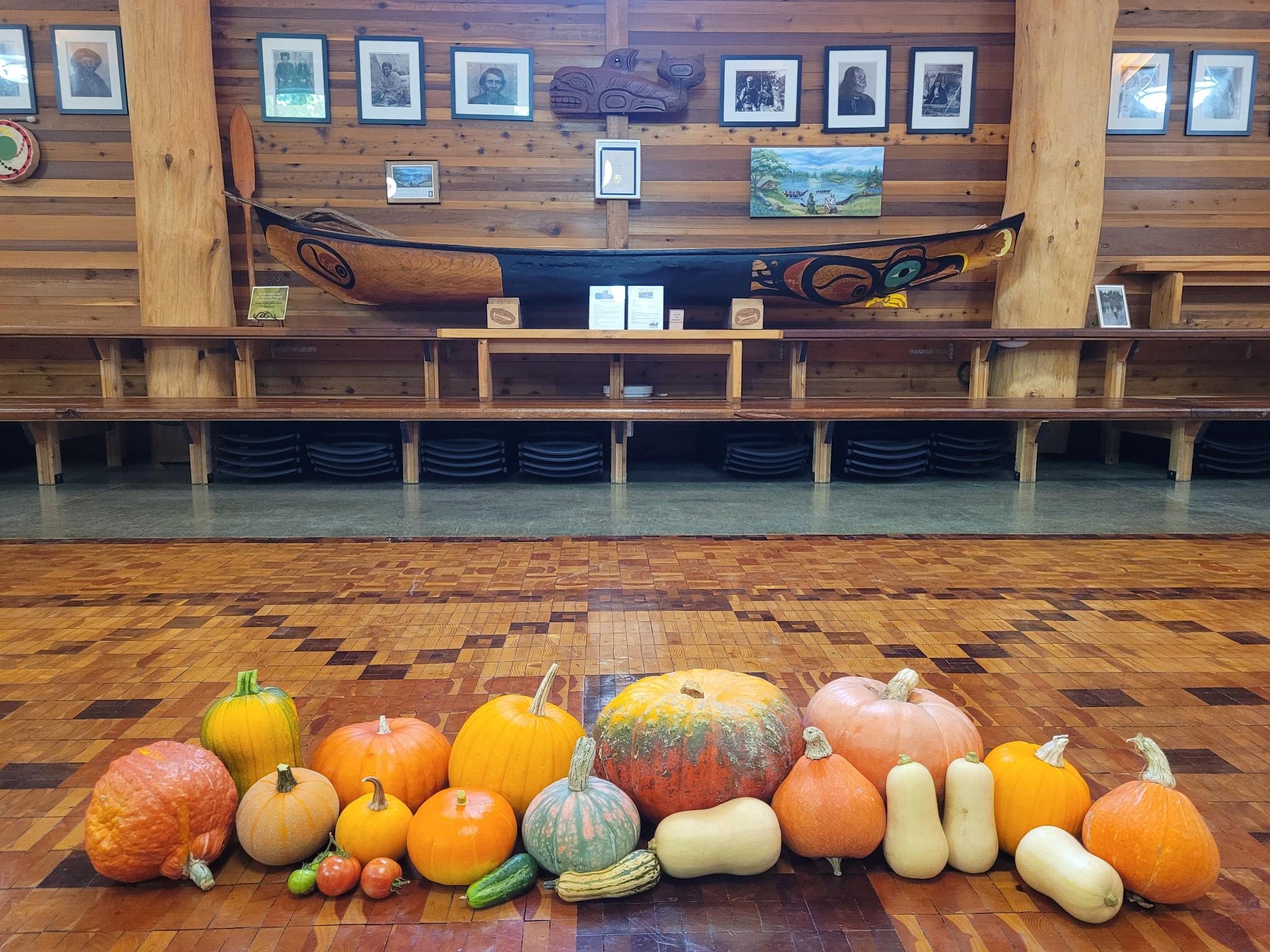
I have been called to build community with plants and the natural world for as long as I can remember. My first memories are from the forests of the Coast Salish people, learning important lessons from the native plants that were my playmates. I grew up harvesting seaweed with my grandmother on the shores of Shilshole, as she once did on her faraway island. With my father, we hunted elk and deer. If we didn’t work with nature to get our food, we would have less to sustain us through the year. As a teen, I kept a garden and learned about food and plant medicine. Not having financial stability seemed less of a worry when we had access to fresh food from our garden and the forests. As an adult, I naturally gravitated toward volunteering with organizations that were teaching youth about food justice because access to fresh food, the land, and the cultures that celebrate food would help the inspiration ripple through the community.
How do culture and tradition show up in the food you share?
Culture and tradition show up in our food. We grow native plants that are historically known to have provided the Duwamish people with sustenance pre-colonization. When we grow these plants, we learn and share knowledge about these plants and foods. We also grow foods that are important to other cultures from diasporic Indigenous communities; to see the joy and excitement when they recognize fresh food a grandmother or auntie had cooked for them is inspirational.
What does food security / culturally relevant food mean in your community? What barriers do people face when it comes to food access?
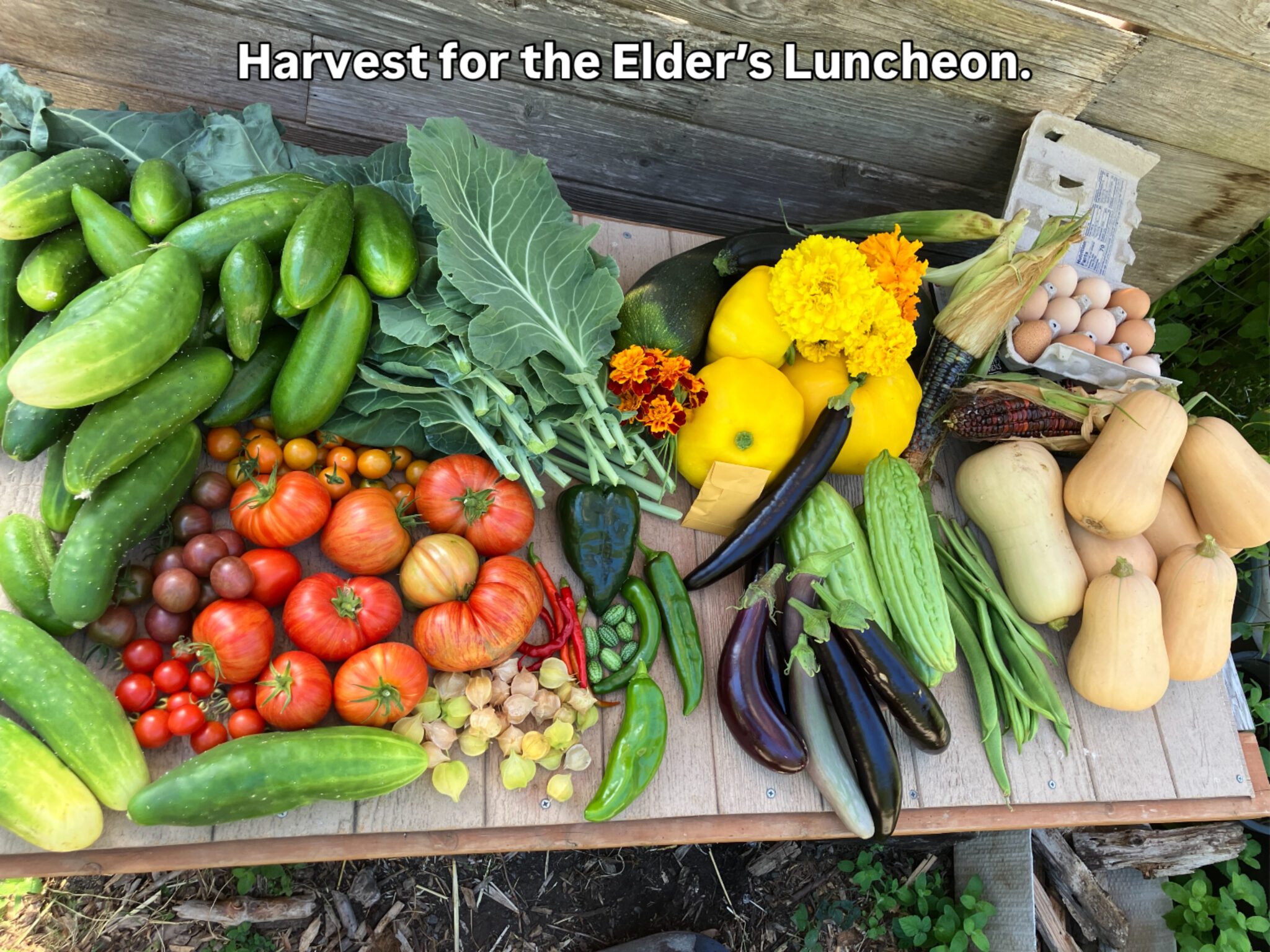
Having access to culturally familiar foods means connecting with ancestry, with the land, and with being alive. It is a bridge between the past and the future. Our community faces many barriers to food access, whether distance from the PNW region or lack of knowledge. Prices for produce has become unsustainable for many in our community.
Food is medicine. Food is nourishment. Food when shared with eating connects us to each other and the cultures that we are literally bringing to the table. Tastes and smells can transport us to deep memories and feelings. Food is home.
What inspires you do continue doing this work?
First and foremost, the work that we do at the Heron’s Nest is for the Duwamish Tribe to have direct access to land that grows food and medicine in the greenhouse, the garden beds, and in the forest is a step towards food sovereignty. The work that we do is also for the land, located on the ridge above the Duwamish River, a superfund site. The Duwamish Tribe are the ancestral stewards of this region; to continue the work alongside them is an honor for the broader community, learning and growing with the inspiration that the land we serve brings to us.
I believe that working with the land and learning from it has changed almost everyone that comes to visit the Heron’s Nest. Having access to an outdoor space and learning how food is grown is life changing. Tasting the food straight from the ground wakes up something deeply buried in each human that tries it. This work connects people to nature directly.
Why is this an important program for the City of Seattle to continue administering?
Investing in food equity programs is crucial at this moment in time. Our society should always invest in it, but over generations we have become more detached with fast food and convenience. Access to fresh, healthy food is the medicine we need for not only our physical wellbeing but also our mental health. We are in a time where food production is unsustainable with large farms thousands of miles away, shipped using non-renewable means, where soils are being poisoned by mass agriculture.
The Food Equity Fund is one of the most important programs that the City of Seattle offers. Helping to financially support the community agriculture programs that local organizations, such as the Heron’s Nest and Duwamish Tribal Services, is vital to the wellbeing of our entire community. Having access to fresh foods is vital to our existence and should be available to anyone, not just those with financial means.