Have We Met? is a special storytelling series celebrating the 35th Anniversary of the Seattle Department of Neighborhoods. Throughout the next 365 days, we’re introducing the people who help shape Seattle’s neighborhoods every day; gardeners, volunteers, organizers, advocates, artists, leaders, City staff, and neighbors who care deeply about their communities. These short conversations offer a glimpse into the lives, passions, and places that embody our work and make Seattle feel like home.
Stanley Tsao joined the Seattle Department of Neighborhoods staff as the Community Liaison Program Manager in April 2019. However, prior to officially joining the staff, he served as a Community Liaison himself, supporting various projects in multiple City departments. Stanley grew up in Hong Kong and moved to Vancouver, Canada as an international student, eventually settling in Seattle as a young adult. In addition to being passionate about social justice and community building, Stanley is an avid traveler and enjoys experiencing new places and meeting new people in our global community.
What drew you to work at the Seattle Department of Neighborhoods (DON)? How has your work changed you personally?
Before joining the Department of Neighborhoods staff, I worked as a Community Liaison (CL). Over several years, I participated in projects through the program, which gave me the opportunity to see how DON, its teams, and other CLs collaborated with our diverse communities. Through that work, I helped bring community voices into government processes and I wanted to explore how I could involve communities even earlier at the table by contributing to the decision-making process from the beginning.
No two days are the same. The work has taught me to be flexible and agile while remaining persistent. From my position on the inside, I often have access to program information and key resources. It’s important that we work diligently to inform, share, and deliver. Timing matters, and there is a constant awareness that while processes can move slowly, communities are often left waiting far too long for information and resources.
How have you seen the CL program grow and change? What are your hopes for the program in the future?
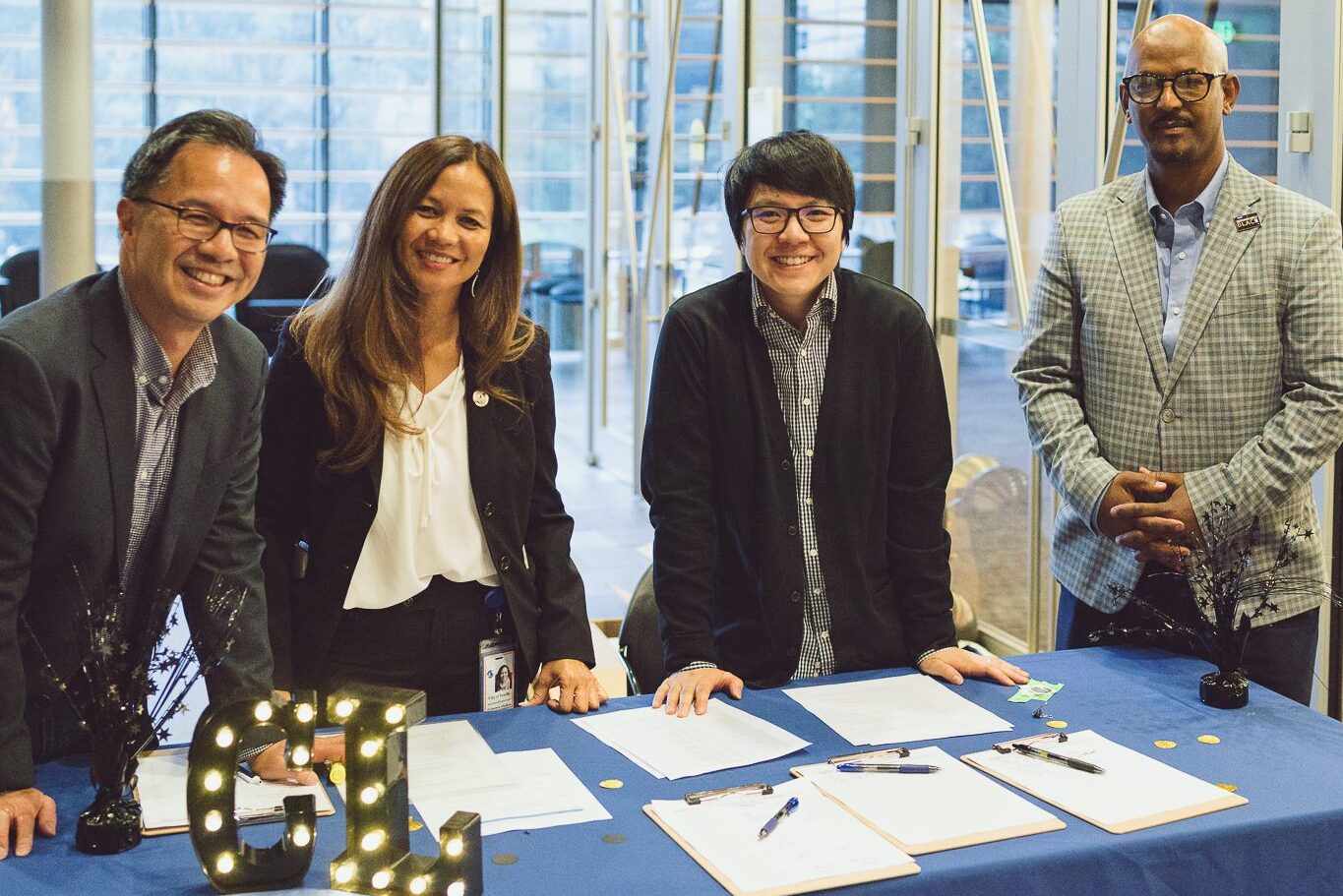
The Community Liaisons Program was started in 2009 as a City program within DON. It was originally created to provide language assistance and event support for Sound Transit project in Southeast Seattle. Initially known as the Public Outreach & Engagement Liaisons (POEL) Program, it operated under that name through the mid-2010s. During that time, POEL focused on building partnerships across City departments and supporting a variety of smaller, short-term City projects and initiatives. I was also working as a CL during this period and had the opportunity to witness the program’s early growth firsthand.
Over time, it has evolved into the current CL program and celebrated its 15th anniversary in 2024. Today, the program continues to expand, with a growing roster of more than 30 active Community Liaisons and ongoing partnerships with City departments such as HSD, SCL, SDOT, and SPU.
Looking ahead, I hope the CL Program continues to establish and model best practices for community outreach citywide. I also hope it can further strengthen coordination across City departments to better engage community members and support programs that build long-lasting, meaningful, and continuous relationships with our communities.
How does your work cultivate community leaders and help build bridges between community and government?
We often focus too narrowly on finding a single “super leader” from within a community—someone who is expected to instantly become its voice, represent everyone, and lead all desired changes. But leadership from the community looks much more diverse and different, especially through the lens of the CL Program. It can be an immigrant who has recently become a citizen, learning about and using democracy vouchers for the first time in the local elections. It can be a non-English speaker attending a public meeting for the first time, feeling confident enough to share comments in their own language. It can be a senior receiving support in their native language to apply online for a utility discount program and successfully lowering their monthly bill. Or a young person joining a community advisory group and actively participating in decisions about a major construction project.
Community leadership should not be defined by a single voice, but by many different people engaging, participating, and shaping decisions in ways that matter to their lives.
There is no single path to building bridges with the community; it’s about taking action. Residents need access to different information, services, and support at different times—their priorities can evolve over time.
A bridge built today may help reach Point A, but tomorrow the community may need a different bridge to reach Point B. Our role is to listen, stay flexible, and work alongside the community to understand what is needed, how those bridges should be built, and how we can continue improving them over the long term.
What does effective community engagement look like?
Effective, for whom?
The honest answer is that I’m still working through that question. Community engagement can look very different depending on perspective. Are you a resident, community organizer, institution, or policymaker? What feels effective to one group may feel performative or insufficient to another.
I’m still trying to understand where the line is between meaningful involvement and tokenism or check-the-box engagement and how power is shared in community settings.
How does DON embody community building and empowerment?
We embody community building and empowerment through the lived experiences, diversity, and shared commitment of DON’s team members. Our staff come from a wide range of backgrounds, and many have long histories of working in community-based settings. A significant number of us also come from communities furthest from government, which deepens our understanding of the challenges people face.
This diversity is also reflected in our everyday environment—we speak different languages, share cultural traditions, and even experience this through something as simple as the variety of foods we bring and enjoy together in our staff kitchen. These differences are strengths that help us better connect with and understand the communities we serve.
At DON, we recognize that our role goes beyond providing services. We strive to uplift communities, support resilience, and create opportunities for growth through our many programs. We want to build long-lasting, trust-based relationships with community members, rather than short-term or transactional interactions.
It’s all about identifying and mobilizing the right resources — time, funding, and people — to deliver results for communities.
Can you share a story that captures why your work matters?
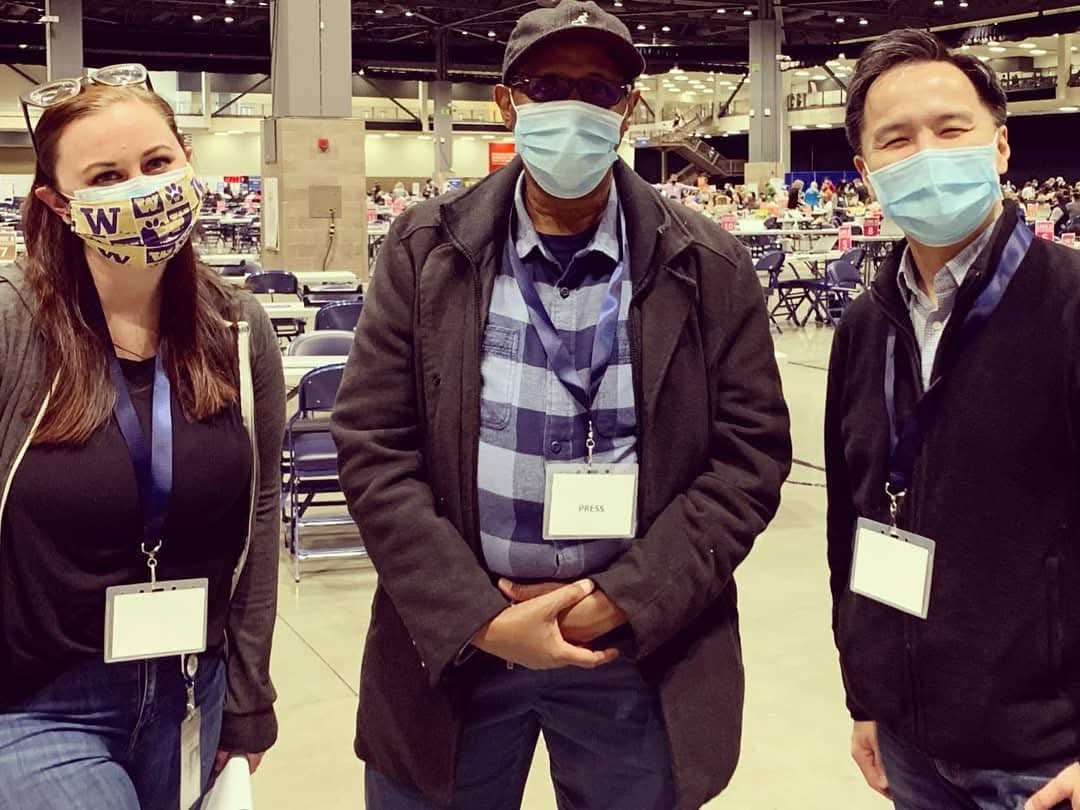
Most of us would rather leave the difficult days of COVID behind us. But there’s one moment from 2020–21 that has stayed with me. During the height of the pandemic, our CL Program and many CLs were asked to help support the massive COVID vaccination effort at Lumen Field Event Center, one of the largest vaccination sites in the country. The atmosphere was unforgettable — long lines of people waiting patiently, staff moving quickly from station to station, and a quiet sense that everyone there was carrying some combination of exhaustion, fear, and hope.
I was working at one of the vaccination tables when a community member finally sat down after a long wait. A nurse administered the vaccine quickly. And then, unexpectedly, the person broke down in tears and said “I have a serious medical condition, and I’ve been terrified of getting COVID. You have no idea what this vaccine means to me. I can finally feel safe again and don’t have to live in fear anymore.”
The tears, the relief on the face, and followed by a big smile.
We all go to work every day to do our jobs. But that day reminded me that sometimes our work can suddenly become much bigger. We can give hope, offer peace of mind, and provide a sense of safety. Whether we bring good news or difficult news, whether we have all the answers or are still searching for solutions, we must continue to show up — to listen, to be present, and to work alongside neighbors. Community members need to feel seen, heard, and valued, not only in moments of progress, but especially in moments of uncertainty and impact. That means we need to come back consistently, maintaining the conversation, and report back with honesty and accountability.
And for one brief moment, see the neighbor in each other.