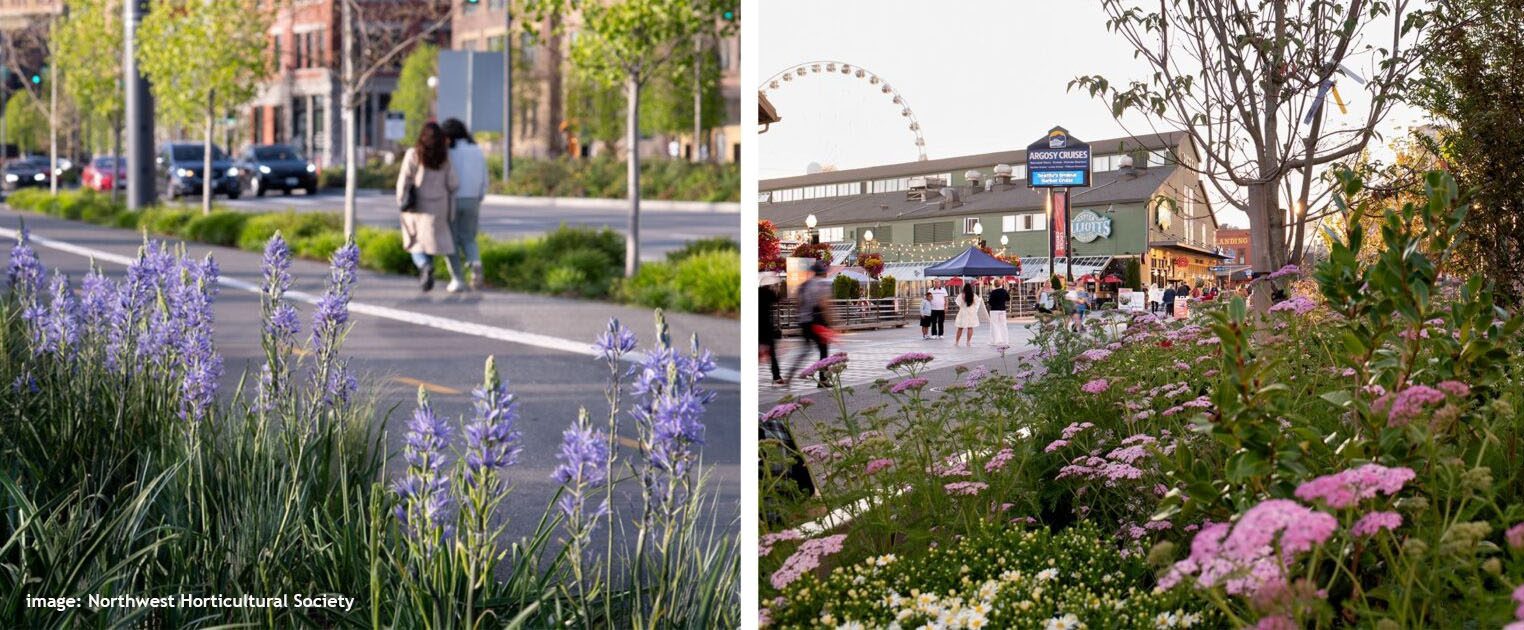
For Coast Salish peoples, plants are more than resources: they are relatives, teachers, and the foundation of life. Since time immemorial, native plants like camas, chocolate lily, Garry oak, and Western red cedar have nourished bodies, healed communities, and built homes and canoes. What some may see today as untamed wilderness are, in fact, the living remnants of Indigenous gardens; lands carefully tended and stewarded for thousands of years. Through this deep relationship, Native communities not only sustained themselves but also cultivated thriving ecosystems, weaving together culture, survival, and the spirit of the land.
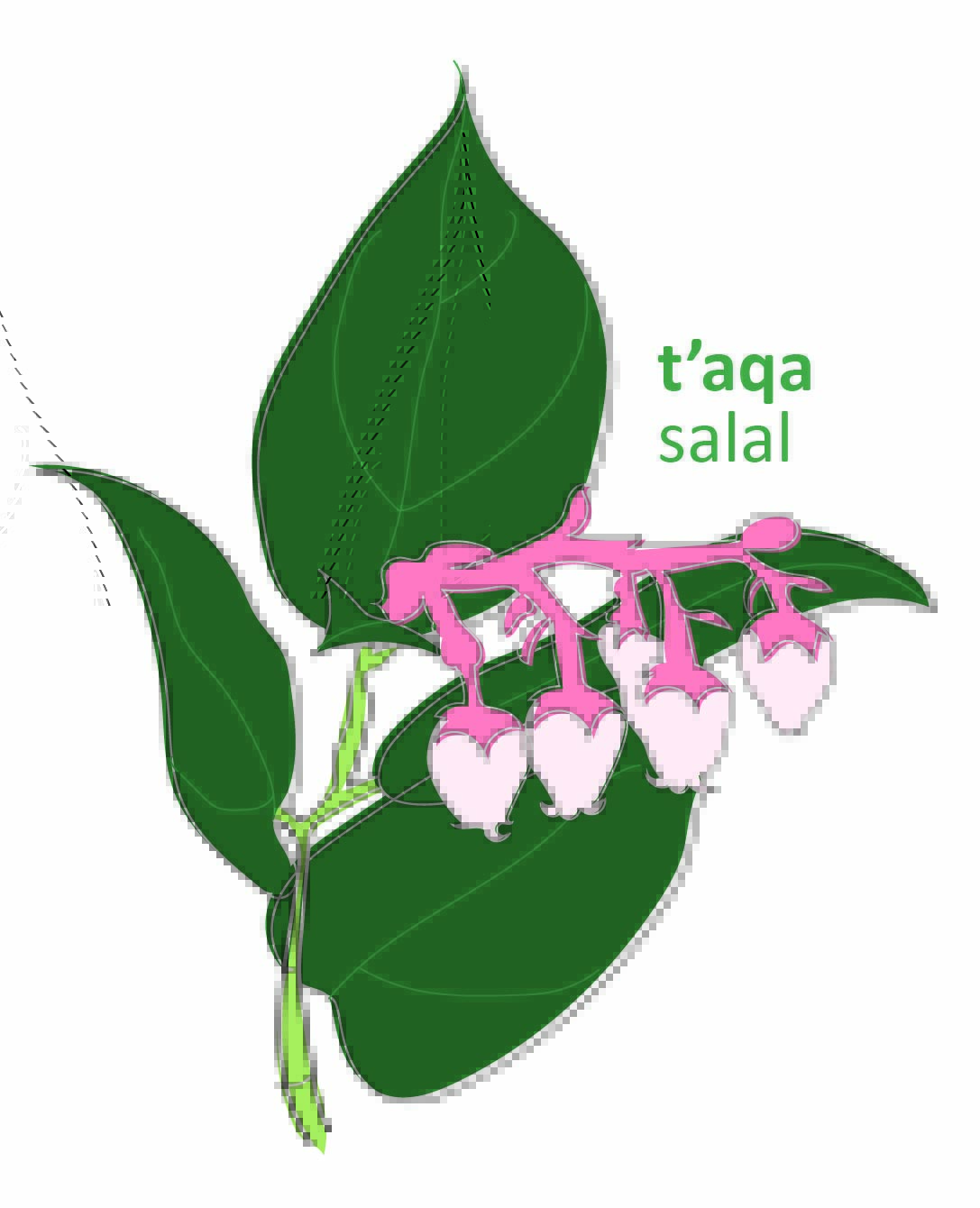
Today, decades of land development, urbanization, and climate change have contributed to the destruction of habitat. To address this environmental degradation and restore ecological resiliency, Seattle Parks and Recreation looked to Indigenous knowledge systems and to the people whose roots here run as deep as salal.
Seattle Parks and Recreation manages and maintains nearly 12 percent of Seattle’s property, providing lush landscapes within the urban environment. In 2025, the department finalized updates to their Native Plant Policy for the first time in 15 years. This was the first engagement of the Indigenous Advisory Council and Tribal Nations regarding the City of Seattle’s Native Plant Policy. The Indigenous Advisory Council provided meaningful feedback on proposed revisions and recommendations on how to make the policy more comprehensive and inclusive of traditional ecological knowledge and Indigenous values.
This input resulted in policy additions on sourcing materials from Tribal enterprises and Native-owned businesses and prioritizing the cultural value, ethnobotanical use, and stewardship of native plants by Indigenous communities in park landscapes.
“The re-introduction of native plants is an act of reconciliation for the centuries of settler colonization that resulted in pervasive habitat destruction that still impacts Native communities today. Acknowledgment of the use and significance of native plants properly recognizes the traditional knowledge systems that have sustained Tribal communities for millennia and combats the erasure of these systems.” -Suzanne Sailto (Snoqualmie), elder delegate and Indigenous Advisory Councilmember.
The inclusion of the Indigenous Advisory Council in the Native Plant Policy update has resulted in a more well-rounded policy informed by Indigenous knowledge and values. Prioritizing native plants in an urban landscape and providing education on their cultural importance is an essential step toward revitalizing traditional foods, developing food sovereignty, and supporting the efforts of Native communities to restore ecosystems.