Have We Met? is a special storytelling series celebrating the 35th Anniversary of the Seattle Department of Neighborhoods. Throughout the next 365 days, we’re introducing the people who help shape Seattle’s neighborhoods every day; gardeners, volunteers, organizers, advocates, artists, leaders, City staff, and neighbors who care deeply about their communities. These short conversations offer a glimpse into the lives, passions, and places that embody our work and make Seattle feel like home.
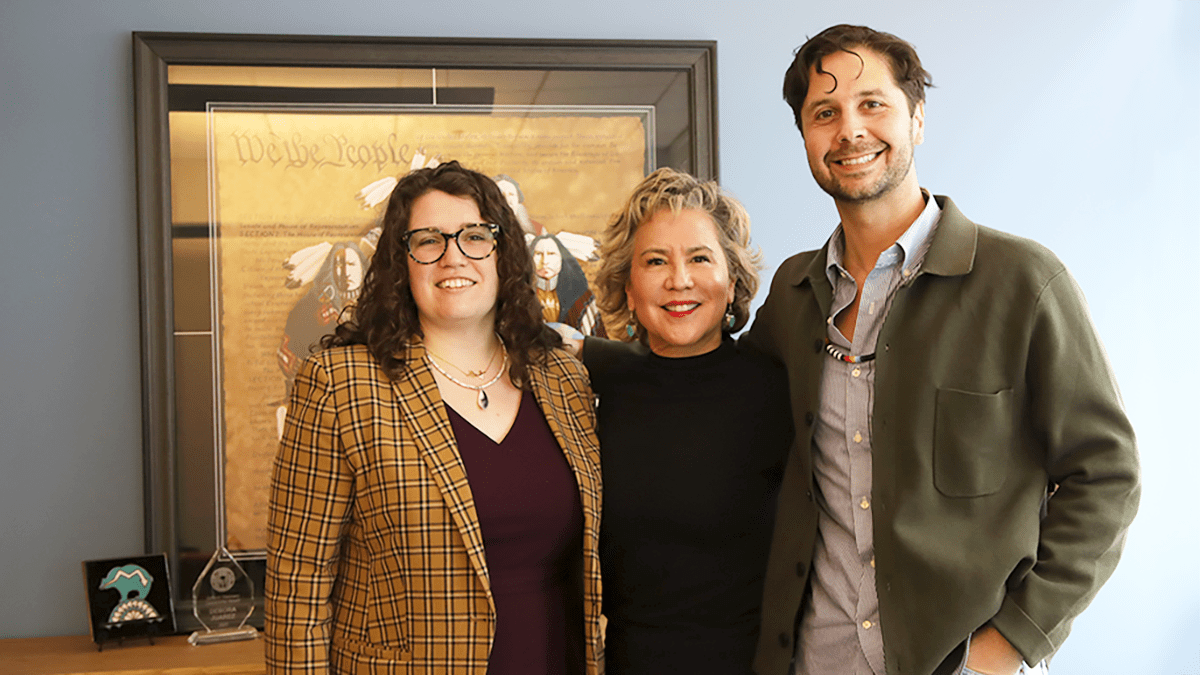
Kolbi Monasmith joined the Seattle Department of Neighborhoods as the new Indigenous Advisory Council Liaison in January 2026. She is a citizen of the Cherokee Nation of Oklahoma, though she grew up in the Seattle area. Kolbi attended Seattle Central College and the University of Washington studying Political Science, Human Rights, and Entrepreneurship and has a Master of Arts in Development Studies from the University of Sussex. She worked with the U.S. Peace Corps in South Africa and is the founder of her own business, Kolbi Jane Design. Most recently, she worked as the Native Workforce Program Manager at United Indians of All Tribes Foundation.
What drew you to work at the Seattle Department of Neighborhoods (DON)?
I was drawn to DON’s commitment to community and public participation, especially the department’s focus on being the bridge between the City and its residents. Particularly, I was drawn to the work of the Indigenous Advisory Council and DON’s dedication to ensuring their work is supported. Several people also told me that DON was the most fun department to work in, so that was certainly enticing!
How have neighborhoods shaped your understanding of community?
When I was growing up, I spent most of my time in our little neighborhood, roaming the streets with the other neighborhood kids. We would ride our bikes up and down the streets between each other’s houses and everyone looked out for us. Our parents felt it was safe to let us roam because they knew if something went wrong, there would always be someone in the neighborhood who would help us or notify them. Community creates safety nets that people need and neighborhoods can be a geographical organizing point for community. We all live together, and through knowing our neighbors and helping each other we build communities.
To you, what does it mean to serve the public?
Serving the public means supporting my community. It means not only ensuring my work is held to a high standard and is done to the best of my ability, but also that it is informed by and elevates the needs and interests of the people. For me, it’s essential to be present in community, to listen and learn, but also to establish channels of dialogue. Not only do I need to know what they are passionate about so I can move their priorities forward, but they also need to know who I am, what I care about, and my processes of conducting the work. Serving the public is a two-way channel that requires transparency and trust. However, people can’t trust someone they don’t know, and if they don’t know me then I haven’t even started the bare-minimum process of earning their trust. Also, serving the public means being collaborative in the work, bringing together partners from across the spectrum of the community, and finding ways to work together even when there might be disagreements.
What does community power look like?
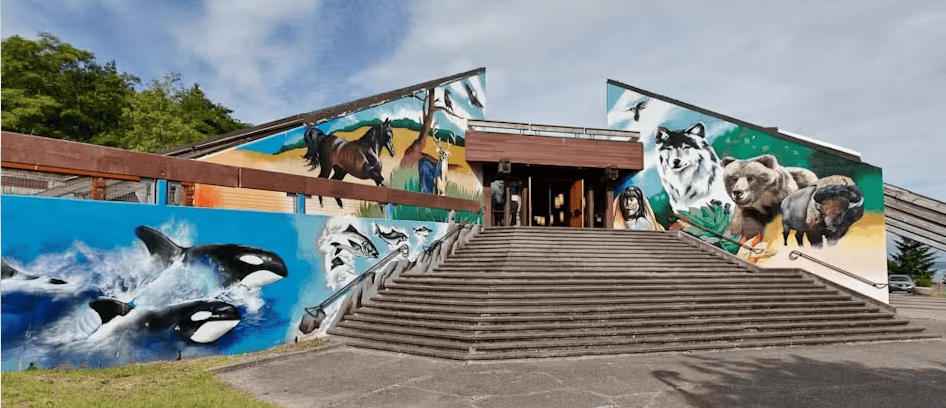
When I think of community power, I often think of the legacy of Termination Era and the relocation of Native communities to urban areas, and the difference forms of community power embodied by the American Indian Women’s Service League and the Takeover of Fort Lawton. Community power is in full effect in big moments of pivotal momentum and large community actions. It’s present and seen, because the community is putting its power to use in large displays in the public forum. Such as the takeover of Fort Lawton, when Native community members launched an occupation that resulted in the creation of Daybreak Star.
Yet, community power is also in the less recognized, day-to-day work, which is often the hardest work, of keeping community supported. It’s in the community members who step up when there is a need, in the organizations who fill in the gaps, and the community who hold onto each other in the hard moments. It’s in the American Indian Women’s Service League, the first organization that was created to support urban Native Americans in Seattle. Their efforts laid the groundwork to ensure current urban Native residents of Seattle can receive supportive services and community connection.
How does local government show up best?
Local government shows up by engaging in meaningful connection and reciprocal relationships. It is sometimes easier to define by how not to show up, as there myriad examples of local government NOT showing up throughout history or only showing up for certain communities or individuals. Often what people want the most is an open and honest dialogue. Too often people feel as if their voices don’t matter and their concerns aren’t a priority. It’s important that communities feel seen and respected, and that communication isn’t one way. It must be reciprocal, where both parties feel like they’re heard and understood. Even when action isn’t possible, it’s important that local governments explain honestly what they are doing and why things aren’t happening. People give up and get frustrated when they are left on the doorstep of a door that never opens.
Why is community building within neighborhoods so important, especially right now?
Communities protect each other. Isolation and division keep communities apart and makes it easier for harm to be replicated and repeated. It keeps people vulnerable and it’s not effective for safety. When you don’t know your neighbors, then you don’t know your community, and your safety net is smaller. People are also happier together. When you find a community, you find connections, and friendship.