This piece is part of a short series focused on community occupations of historical places in Seattle. These stories, told by community members, showcase the power of people uniting to protect important community places in the city and the ways these places continue to provide meaningful space, resources, and services to residents.
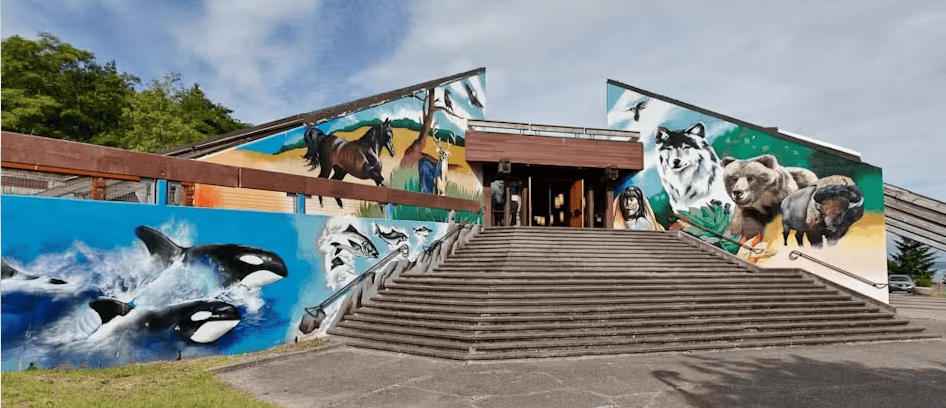
In 1970, Bernie Whitebear and Native leaders from across the nation carefully organized a grassroots community occupation of Seattle’s Fort Lawton to reclaim the land taken from them and declare that Indigenous people belong in these spaces. While activists faced harsh resistance from military police, the movement gained nationwide attention and support. After months of relentless organizing and political negotiations, Bernie Whitebear and community leaders secured a 99-year lease for the land that is now home to the Daybreak Star Indian Cultural Center. Today, Daybreak Star remains a steadfast pillar for the urban Native community providing vital educational, cultural, and social services.
Watch a video overviewing the history of the community occupation of Fort Lawton and the formation of Daybreak Star Indian Cultural Center.
Video Transcription:
[Narrator] Over the past 50 years, Seattle’s landscape has transformed into a bustling hub of innovation and growth. Yet, even as the emerald city has shifted, the Daybreak Star Indian Cultural Center has remained a steadfast pillar for the urban Native community through continuously providing vital educational, cultural, and social services.
The power of this movement was sparked by the dedication of the American Indian Women’s Service League and the strategic leadership of our founder, Bernie Whitebear. His profound vision for creating a permanent space for the Native community took a historic turn in March of 1970. Native leaders from across the nation carefully planned a grassroots community occupation of Seattle’s Fort Lawton to declare that our people belong in these spaces.
Activists scaled fences and faced immediate, harsh resistance from military police, leading to arrests and physical standoffs. Yet, the resistance only fueled nationwide solidarity, drawing support from across the country including those such as actress Jane Fonda. Through relentless organizing and high-stakes political negotiations, Bernie Whitebear and community leaders successfully secured a ninety-nine-year lease for this very land, turning a military fortress into a sanctuary for our people.
From those foundations of fierce resistance and dedication grew this sanctuary for cultural preservation and celebration. Over the years, with vital support at the local, tribal, state, and federal levels, we have been able to revitalize major parts of the center to ensure it remains sustainable for the next seven generations and beyond.
[Daybreak Star Facilities Director, Tony Monroe] This is a shining star of civil rights in Seattle, is really what Daybreak Star represents. And not just for Native people, but for the whole community. Ya know if we band together, if we work together, we can make things happen. Daybreak Star really does provide that coming home to a lot of people. A lot of people were here at the beginning, or they’re descendants of people who were part of the takeover, they grew up here either going to pre-school or coming to events. Sometimes even from across the country they come back and say “Ah, I just had to come back here, this is home.”
[Narrator] Through decades of community led dedication, we have created more than a dozen programs to support everyone from our youngest learners to our cherished elders. Together, we uplift the urban Native and Alaska Native community while ensuring our traditions thrive across every generation.
[Daybreak Star Facilities Director, Tony Monroe] We’re here for a reason, we’re here for a purpose and it’s all about the people. Not just the Native community, but also sharing our culture with the rest of the people. Colonizers tried to divide and conquer us, but we’re kind of taking it the other way and saying “No, we’re going back together so we can get some stuff done.”
[Narrator] That heartbeat of grassroots resistance and unity comes alive through our largest event of the year. As we gather for our annual Powwow, we celebrate the ultimate expression of our survival, our joy, and our continued reclamation of this space.
Visit the Daybreak Star Indian Cultural Center to learn more about our history and community. Walk the land, share the vision, and witness the power of a community that remains forever rooted in resilience!
Historic photos: Seattle Municipal Archives Digital Collections and MOHAI Collections
Audio: Daybreak Star Indian Days Powwow, archival audio from the Missing and Murdered Indigenous Women of Seattle during the 2018 MLK Day March